

Global Tensions Rise Amid Venezuelan Election Controversy
More than two weeks after Venezuela's contested election, international actors face a dilemma in responding to claims of voting fraud. With Maduro's regime cracking down on protests, foreign governments deliberate on how best to support democracy without provoking further conflict. Concessions and further dialogue are being explored as potential solutions.
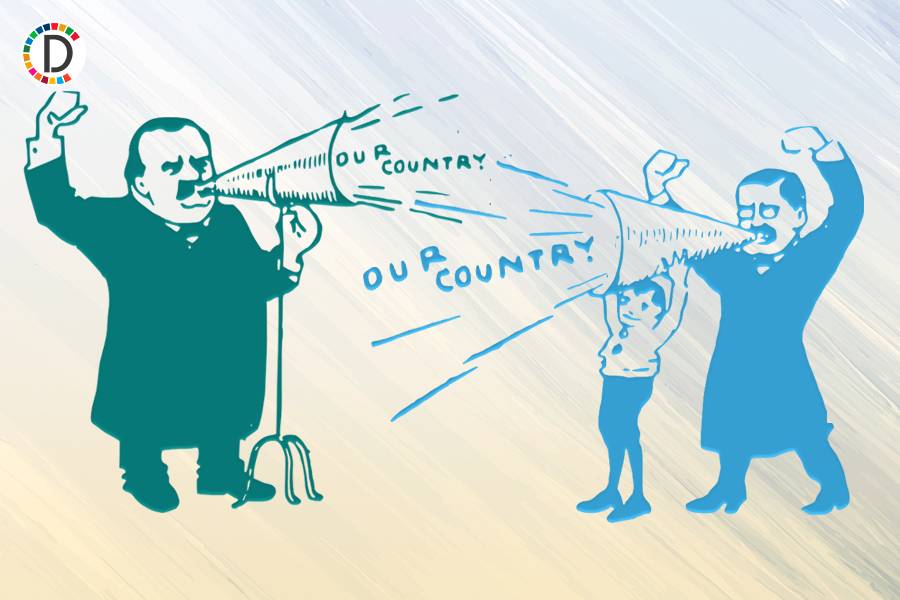
More than two weeks after Venezuelan President Nicolas Maduro claimed reelection victory, the U.S. and other Western countries show little sign of taking swift, tough action over what many condemn as voting fraud. Governments are demanding Venezuela's National Electoral Council release a full set of voting tally sheets after both Maduro and opposition candidate Edmundo Gonzalez declared victory. Brazil and other nations seek to broker talks between the historically irreconcilable sides.
Protests against Maduro following the vote led to a severe crackdown, resulting in 23 deaths and 2,400 arrests, according to the latest U.N. data. Western governments are cautious, with none eager to act first, noted one embassy official. "This isn't a race to see who can issue the harshest statements with no effectiveness, but to be effective in our support for democracy in Venezuela," Spanish Foreign Minister Jose Manuel Albares told a Senate hearing. EU foreign policy chief Josep Borrell on Monday called for the release of voting records, the end of political persecution, and dialogue between opponents. No immediate action is anticipated from the bloc.
The restrained response stems from the lessons of Maduro's 2018 reelection, when rapid condemnation and severe sanctions failed to dislodge him from power. In Washington, there is little appetite for more severe sanctions under President Biden. U.S. officials are cautious not to complicate matters for the opposition led by Maria Corina Machado and candidate Gonzalez as they seek small concessions from Maduro. Concessions related to open communication channels and potential political transition are being explored. A review by Venezuela's Supreme Court is expected to take time and might not be impartial due to the court's composition of Maduro allies.
U.S. officials are reaching out to regional and international partners to organize a coordinated response, recognizing Gonzalez as the winner but not formally calling him president-elect. “Now is the time for Venezuelan parties to begin discussions on a respectful and peaceful transition,” said U.S. State Department deputy spokesperson Vedant Patel. The Biden administration's options appear limited, as it reimposed some oil sanctions in April and enforced individual sanctions due to electoral commitments breaches. Post-election instability may prompt more Venezuelans to migrate, complicating U.S. domestic politics.
Meanwhile, the Venezuelan foreign ministry, declined to comment, and the Organization of American States has yet to agree on a joint response despite identifying serious election flaws. Brazil, Mexico, and Colombia are pushing for transparency in vote tallying while the U.S., Canada, Panama, and others hold dialogues with Venezuela's opposition. Panama controversially offered asylum to Maduro, while Brazil refuses to recognize his victory without full election disclosure, emphasizing their priority is preventing further arrests and violence. Pro-Maduro countries like China, Russia, Nicaragua, and Cuba continue to offer their support.


 Google News