

Germany Tightens Border Controls Amid Rising Migration Concerns
Germany is set to extend border controls to all its land borders in an effort to curb irregular migration. This marks a shift from its open-door policy and may impact free movement within the European Union. The move appears to be politically motivated ahead of upcoming state and federal elections.
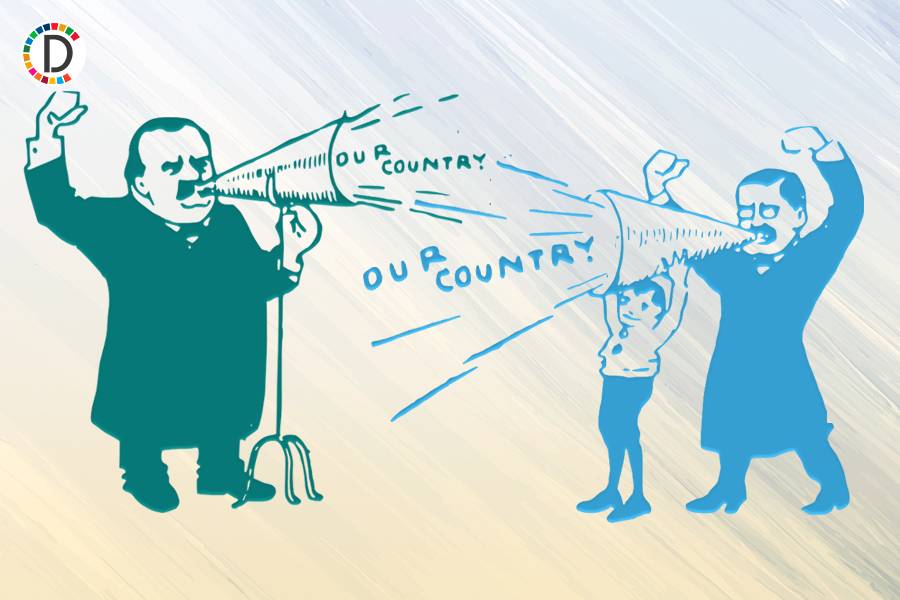
Germany announced this week its intentions to extend controls to all of its land borders to curb irregular migration. This drastic policy shift aims to reduce the influx of asylum seekers, moving away from Germany's previous open-door stance.
The new measures, starting on September 16 and initially set for six months, encompass the entire Schengen zone, and could significantly impact the free movement within the European Union. Authorities plan to use tools like the Eurodac fingerprint database to enforce the new rules.
The decision seems to be politically driven, addressing growing public concerns over migration, particularly in the eastern German state of Brandenburg, where upcoming elections are crucial for Chancellor Olaf Scholz's Social Democrats. This change has sparked varied reactions from neighboring countries, highlighting regional tensions and differing immigration policies.
ALSO READ
-
Reclaiming National Pride: Klopp’s Call for 'Positive Patriotism'
-
Reclaiming National Pride: Klopp's Message Against Extremism
-
EU Faces Call to Widen Tariffs on Chinese Hybrid Cars
-
Energy Crisis: Europe's Gas Storage Dilemma Intensifies
-
SEMICON India 2026: Strengthening Global Semiconductor Partnerships


 Google News