

Trump's Tariff Threat: Impact on U.S.-Mexico Auto Industry
Donald Trump proposes tariffs exceeding 200% on vehicles imported from Mexico to protect the U.S. auto industry, amid his presidential campaign. His previous threats have impacted North American trade agreements and altered regional automotive manufacturing, affecting costs and operations in the auto sector.
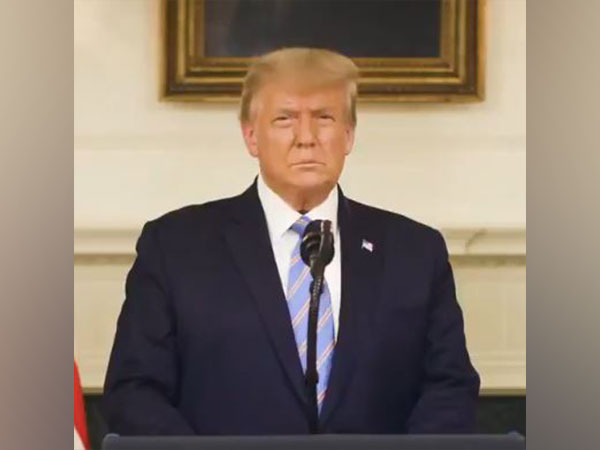
Republican U.S. presidential candidate Donald Trump has suggested imposing tariffs surpassing 200% on vehicles imported from Mexico. His proposal aims to curb the sale of Mexican cars in the United States to protect domestic manufacturers. Trump declared the potential tariffs during a Sunday interview with Fox News.
Facing Democratic opponent Kamala Harris in a heated presidential race, Trump reiterated his commitment to enhancing tariffs on imported cars, claiming it would revitalize the domestic auto industry. During a rally in Juneau, Wisconsin, Trump emphasized his deterrent approach by threatening tariffs that would make it economically unfeasible for Mexico to sell cars stateside.
Trump's historical stance on imposing hefty tariffs, dating back to his 2016 campaign, has already influenced North America's trade agreements. In 2018, the U.S., Mexico, and Canada renegotiated their free-trade agreement due to such pressure, incorporating provisions to retain more of the region's auto manufacturing in the United States.
ALSO READ
-
Mexico’s Women Searchers Face Murder and Disappearance as UN Demands State Protection
-
Forever Chemicals Fuel Unequal Pollution Burden as UN Expert Calls for Urgent Bans
-
UNESCO and Natura Rally Partners in Mexico to Put Education at the Heart of Progress
-
Oaxaca Children Become Heritage Guardians Through Play, Exploration and Local Stories
-
EU Firms Rethink Supply Chains as Geopolitical Risks Reshape Global Trade


 Google News