

Trump's Second Act: Beijing's Calculations in a New Era of Rivalry
As Donald Trump wins the U.S. presidential election against Kamala Harris, China braces for increased tensions in trade, technology, and security. Trump's isolationist policies might create a global power vacuum, enabling China to expand its influence, despite challenges such as a possible trade war.
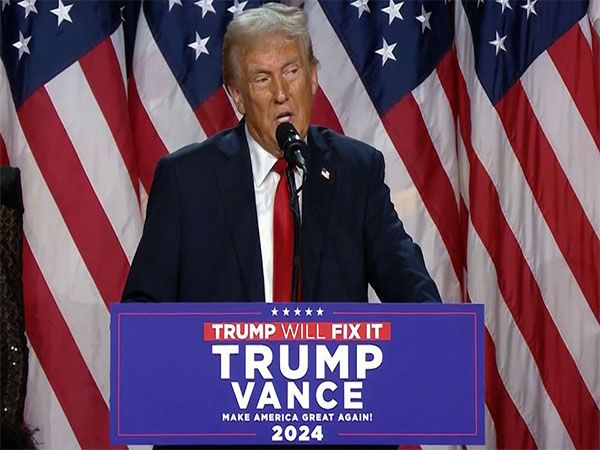
In a shock to many global observers, Donald Trump has claimed victory in the U.S. presidential election over Kamala Harris, setting the stage for further tensions with China. Analysts foresee intensified superpower rivalry spanning trade, technology, and security concerns.
Despite Trump's isolationist leanings, Chinese strategists predict his policies could offer China opportunities to widen its global reach. Tong Zhao of the Carnegie Endowment for International Peace notes that China's leadership faces the challenge of maintaining cordial relations while strengthening its own influence.
Trump's proposed tariffs exceeding 60% on Chinese imports have rattled Beijing amid internal economic difficulties. As China anticipates further decoupling of technologies and supply chains, it is expected to prioritize technological self-sufficiency and economic ties with countries like Russia.
ALSO READ
-
More Than Shorter Commute: How Compact Cities Can Help Migrant Workers Find Jobs
-
ILO Report Reveals How to Bring Social Security Within Reach of Informal Workers
-
WTO Sets Up Panel on EU Carbon Border Rules as Russia Challenges Restrictions
-
WHO Brings Global Experts Together to Strengthen Herbal Medicine Quality and Safety
-
Human Cost of Faster Work: Chinese Employees Weigh AI’s Promise Against Pay Fears


 Google News