

Carter's Legacy: Champion of Global Democracy
Jimmy Carter, former U.S. President, prioritized Zimbabwe's independence and democracy. Despite challenges, he criticized Mugabe's regime and continued advocating globally through the Carter Centre, which he founded to promote fair elections. Awarded the Nobel Peace Prize, Carter left an enduring legacy in democracy and human rights advocacy worldwide.
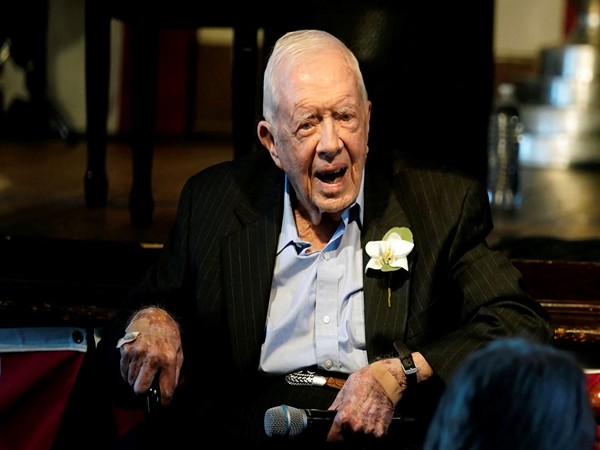
- Country:
- Zimbabwe
Former U.S. President Jimmy Carter, who died Sunday at 100, was renowned for prioritizing democracy and human rights worldwide. His work in Zimbabwe, where he initially supported its democratic transition, exemplifies his lifelong dedication. Carter remained vocal against autocratic regimes, seeking to highlight electoral fairness.
The Carter Centre, an institution he established in 1982, has been pivotal in global election observation, monitoring over 125 elections. Despite challenges in nations like Zimbabwe and Bolivia, the centre has received accolades for expanding democratic practices globally. Carter's approach underscored the necessity of international electoral integrity.
Carter's Nobel Peace Prize in 2002 affirmed his commitment to democracy and social justice. David Carroll of the Carter Centre noted Carter as the guiding force in upholding these principles, ensuring vigilance in the electoral process across differing political landscapes, including the United States in recent years.


 Google News