

Trump's Tariffs: A New Chapter in US-Canada-Mexico Relations
President Trump imposed tariffs on Canadian, Mexican, and Chinese imports as part of a strategy to combat fentanyl and illegal immigration. The tariffs are set to begin on Tuesday and are expected to influence economic relations and potentially trigger retaliation. These moves could disrupt economies and financial markets.
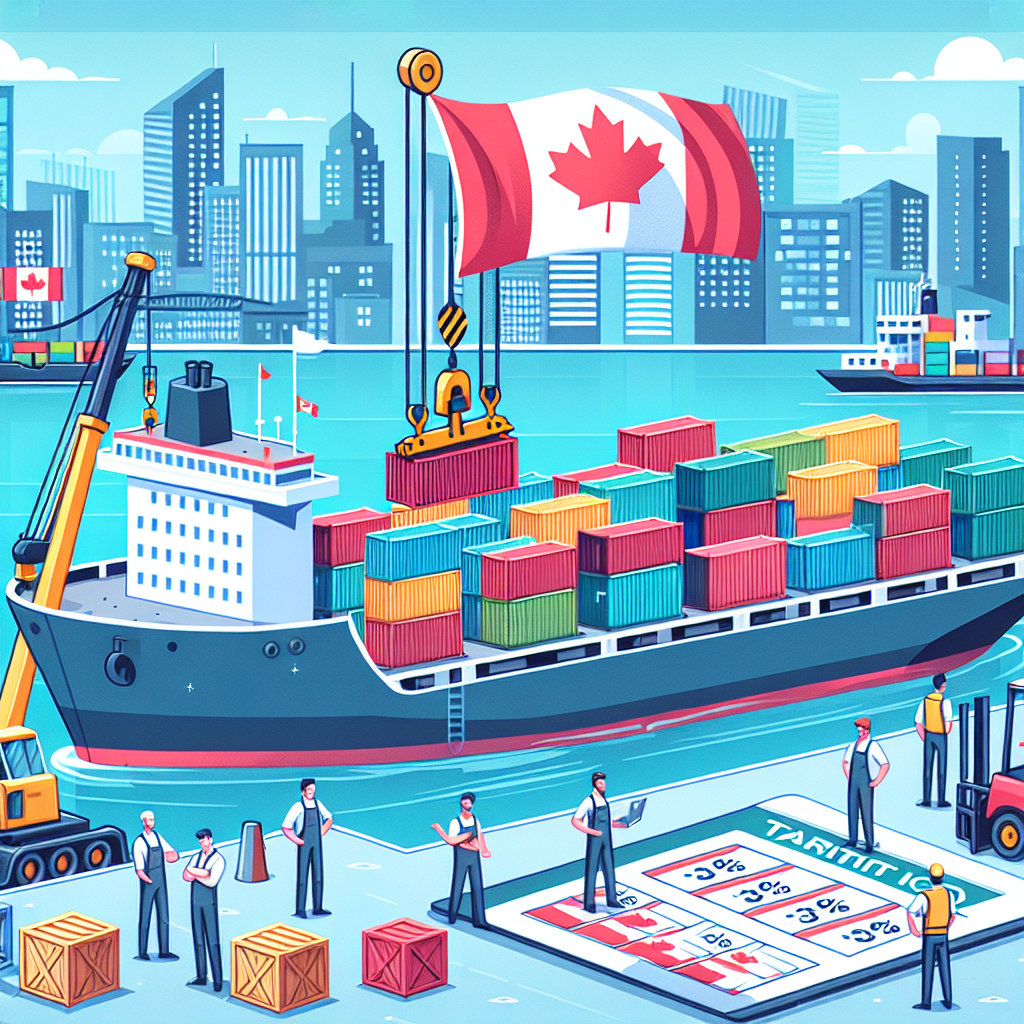
President Donald Trump has announced new tariffs on imports from Canada, Mexico, and China in a bid to address the issues of fentanyl trafficking and illegal immigration. Starting Tuesday, a 25% tariff will apply to Canadian and Mexican imports, while a 10% tariff will be levied on Chinese goods.
The White House stated that these tariffs would remain until the perceived national crisis is resolved. No specific criteria for lifting the tariffs have been outlined, leaving uncertainty about future trade relations. The decision has sparked fears of a potential trade war, adding volatility to global financial markets.
Economists, such as EY's Greg Daco, predict that these tariffs could lead to stagflation in the U.S., hinder economic growth by 1.5 percentage points, and push Canada and Mexico into recession. This unexpected move underscores the administration's willingness to alter longstanding economic practices.
ALSO READ
-
EU Firms Rethink Supply Chains as Geopolitical Risks Reshape Global Trade
-
Lee Jae Myung's Diplomatic Milestones: Balancing Amidst Global Tensions
-
Diplomatic Moves: Takaichi's UN Meeting with Trump
-
Trade War Chessboard: Agriculture, Energy, and Rare Earths in Focus
-
High-Stakes Diplomatic Dance: Trump and Xi's Crucial Summit


 Google News