

Transatlantic Tension: Trump's Tariffs Stir Global Response
U.S. President Donald Trump's tariffs targeting Mexico, Canada, and China are prompting widespread international reactions. European leaders express concerns over the potential economic impact and stress the need for unity. Opinions diverge on how to approach the new trade challenges and safeguard mutual interests.
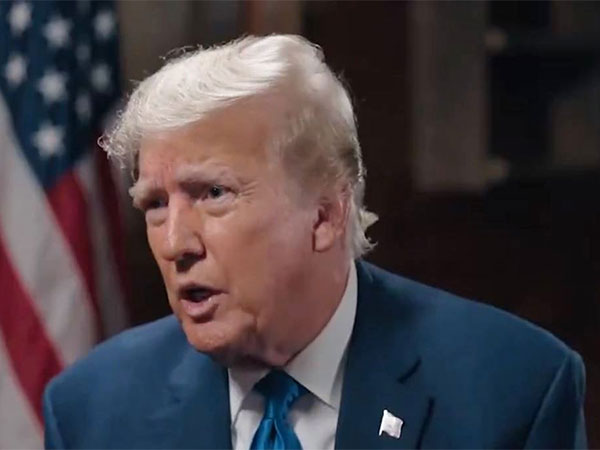
The sweeping tariffs imposed by U.S. President Donald Trump on major trade partners, including Mexico, Canada, and China, might bring temporary challenges for Americans, Trump acknowledged. Amidst these measures, European Union leaders, wary of facing similar tariff threats, convened to strategize a unified response.
In the UK, a government spokesperson cited a fair trading relationship with the U.S. and noted that discussions between Prime Minister Keir Starmer and Trump focused on enhancing trade ties. Meanwhile, Germany's Chancellor Olaf Scholz emphasized cooperation over confrontation with the U.S., although acknowledging Europe's strength to react if necessary.
Finnish Prime Minister Petteri Orpo called for negotiations with Trump on trade issues, while Polish Prime Minister Donald Tusk denounced trade wars. Across Europe, concerns grew about the wider effects of tariffs, with voices like that of French President Emmanuel Macron stressing EU unity and increased engagement in response.
ALSO READ
-
EU Firms Rethink Supply Chains as Geopolitical Risks Reshape Global Trade
-
Lee Jae Myung's Diplomatic Milestones: Balancing Amidst Global Tensions
-
Diplomatic Moves: Takaichi's UN Meeting with Trump
-
Trade War Chessboard: Agriculture, Energy, and Rare Earths in Focus
-
High-Stakes Diplomatic Dance: Trump and Xi's Crucial Summit


 Google News