

Trump and Modi: Strategic Alliance Overshadows Human Rights Concerns
The meeting between U.S. President Donald Trump and Indian Prime Minister Narendra Modi in Washington emphasized weapons sales and trade while avoiding contentious human rights issues. This reflects a trend of interests-driven foreign policy overshadowing human rights discussions, amid criticisms from rights groups about both leaders' records.
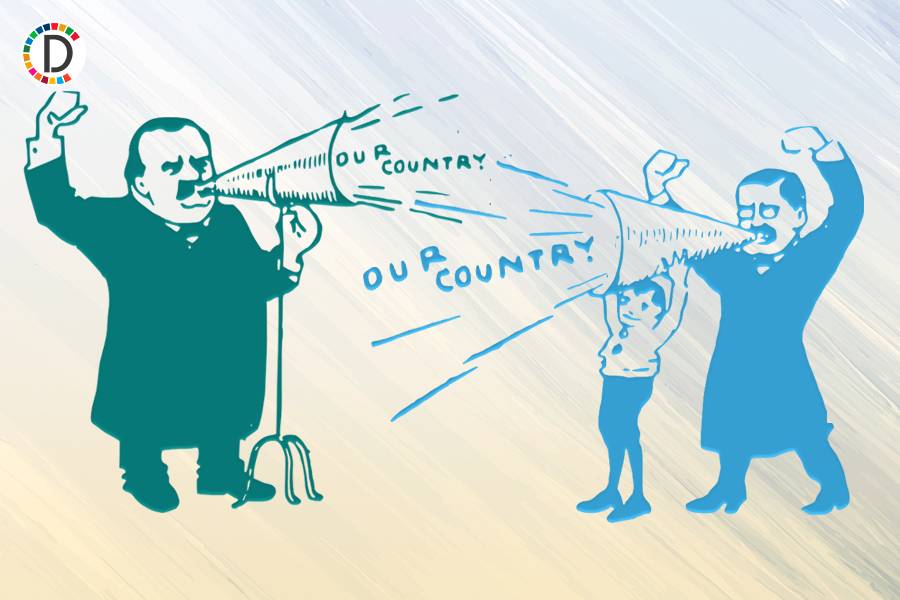
In a pivotal meeting held in Washington, U.S. President Donald Trump and India's Prime Minister Narendra Modi focused on strengthening their strategic alliance through discussions on weapons sales and trade. Notably absent from their public remarks were topics related to human rights and minority abuses, raising concerns among experts.
Despite India's problematic human rights record, which has drawn bipartisan criticism in the past, Trump's second presidency appears set to continue prioritizing strategic interests over values-based foreign policy. Analysts suggest that both leaders share a strongman approach, further solidifying their diplomatic chemistry.
While human rights advocates fault both Trump and Modi for their contentious policies domestically, including Modi's treatment of minorities, the U.S. has largely sidelined these issues. Immigration was briefly discussed, with Trump focusing on illegal immigration and Modi emphasizing dialogue to tackle human trafficking.
ALSO READ
-
Japanese Lawmakers Visit India to See Worker Protection and Skills Projects in Action
-
Indian Unions Push for Fair Recruitment and Rights for Care Workers in Germany
-
Cleaner Kitchens, Polluted Skies: Hidden Health Cost of India’s Electricity Boom
-
Japan-Backed ILO Projects Help 23,000 Workers Gain Rights and Fight Child Labour
-
Lee Jae Myung's Diplomatic Milestones: Balancing Amidst Global Tensions


 Google News