

Tariff Turbulence: Navigating U.S. Trade Policies Under Trump
U.S. Trade Representative Jamieson Greer reaffirmed Trump's tariff strategy during a Senate hearing, warning against exemptions and emphasizing the necessity of industry pain to redirect manufacturing jobs domestically. The administration seeks balanced trade negotiations with over 50 countries, despite trade tensions and limited timeline disclosures.
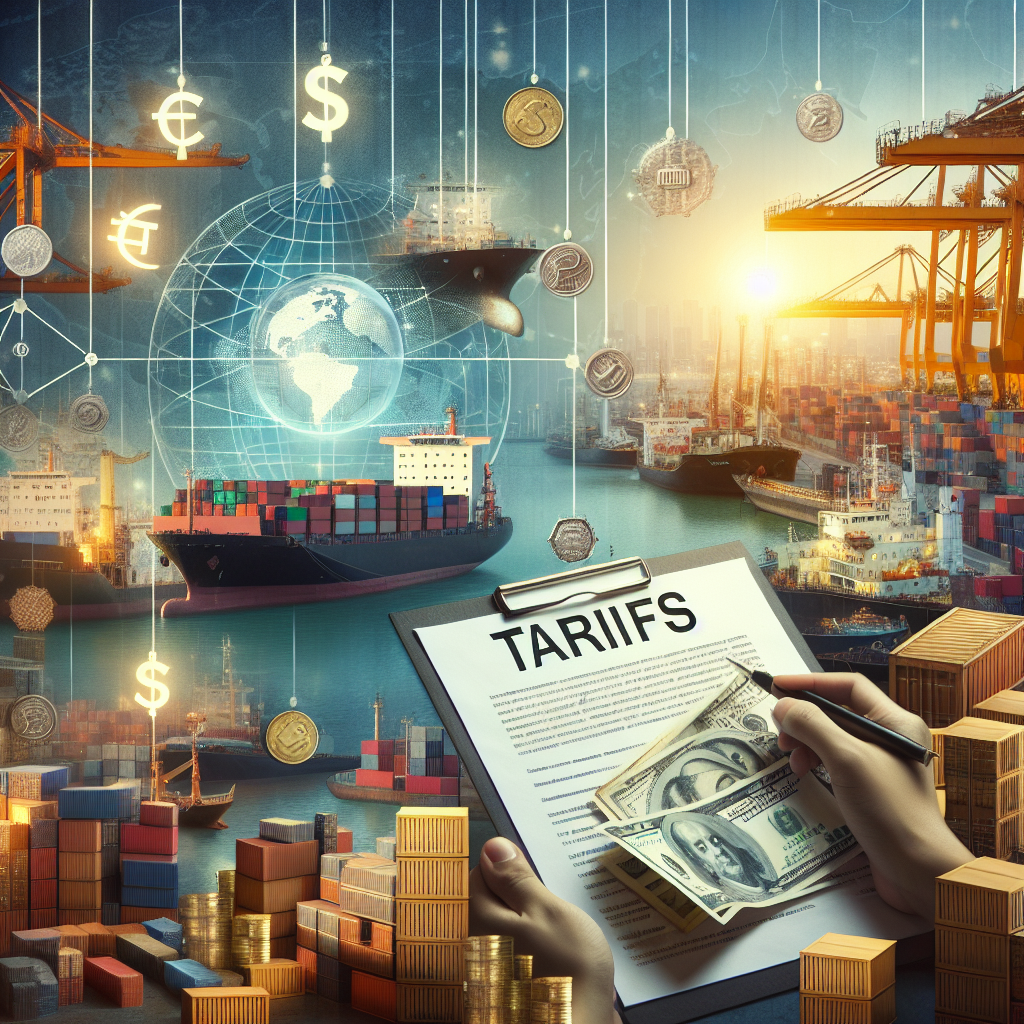
In a recent U.S. Senate Finance Committee hearing, U.S. Trade Representative Jamieson Greer emphasized that the Trump administration would maintain its current approach to tariffs. Greer noted that while higher tariffs would affect businesses, they were essential for reshoring manufacturing jobs.
Despite backlash, including frustrations from both Democrats and Republicans, Greer stated that the administration would not be making exemptions in the near term. This move follows previously ineffective tariff strategies that did not curb a growing $1.2 trillion trade deficit.
Greer highlighted ongoing negotiations with over 50 countries, encouraging lower trade barriers to achieve balanced trade. As China retaliated, the U.S. escalated tariffs, with a focus on reaching reciprocal agreements to address the trade imbalance without specific timelines for resolution.
ALSO READ
-
EU Firms Rethink Supply Chains as Geopolitical Risks Reshape Global Trade
-
Lee Jae Myung's Diplomatic Milestones: Balancing Amidst Global Tensions
-
Diplomatic Moves: Takaichi's UN Meeting with Trump
-
Trade War Chessboard: Agriculture, Energy, and Rare Earths in Focus
-
High-Stakes Diplomatic Dance: Trump and Xi's Crucial Summit


 Google News