

Chancellor Merz's Struggles: Germany's Political Crossroads
Chancellor Friedrich Merz faces declining support among conservatives, with the far-right Alternative for Germany leading in polls. His decisions on judicial appointments and arms shipments have drawn criticism. Merz's leadership in economic and foreign policy matters remains mixed, affecting his popularity as regional elections approach.
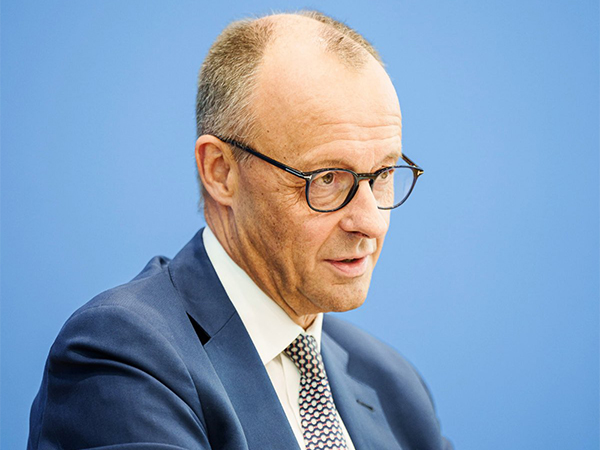
Chancellor Friedrich Merz's position as the leader of Germany's conservatives is under pressure, as recent polls place the far-right Alternative for Germany (AfD) ahead with 26%, outpacing the conservatives by two points.
Merz's decisions have faced backlash, particularly his reversal on arms shipments to Israel, which some conservative allies viewed as a betrayal of historical obligations. His coalition government has achieved some economic wins but remains controversial in domestic policy, such as proposed benefit cuts for Ukrainian war refugees.
Critics attribute the rise of the AfD to their economic and migration policies. As Germany heads towards regional elections in March 2026, Merz's popularity is faltering, with only 29% viewing him as an effective crisis manager.
ALSO READ
-
AfDB and Germany Join Forces to Connect Africa Through Better Rail
-
Indian Unions Push for Fair Recruitment and Rights for Care Workers in Germany
-
Withdrawal of ICE Director Nomination: A Surprise Turn
-
Reclaiming National Pride: Klopp’s Call for 'Positive Patriotism'
-
Political Tensions Rise: Assault on Irish Politician Sparks Democracy Concerns


 Google News