

The Seeds of Partition: A Historical Perspective
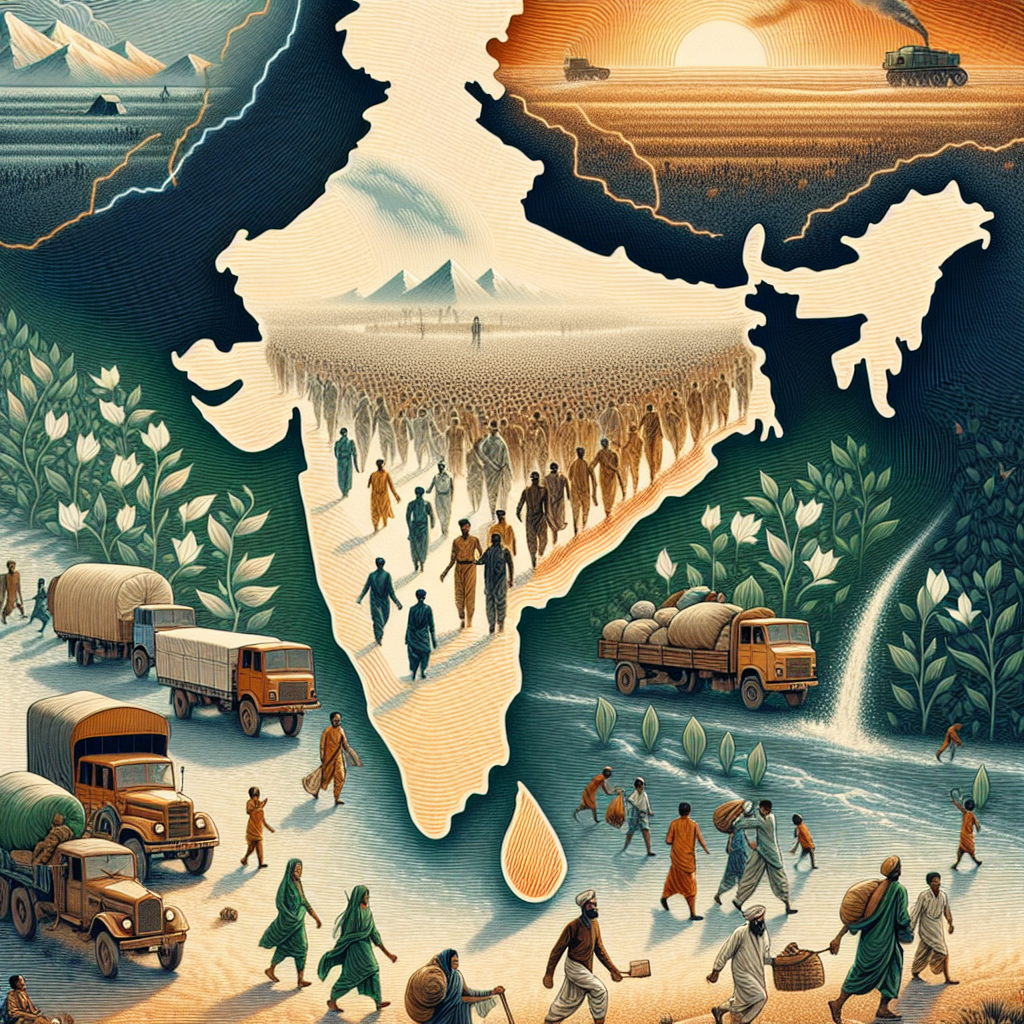
Tripura Chief Minister Manik Saha claims the partition seeds were sown before 1947, as part of political strategies for personal power. At the Partition Horrors Remembrance Day, he blamed the British's divide and rule strategy and discussed the roles of various leaders and political movements leading to partition.
- Country:
- India
Tripura Chief Minister Manik Saha, in a speech on Partition Horrors Remembrance Day at MBB College, asserted that the roots of partition were laid well before 1947. He attributed this to a political strategy by leaders who sought personal power.
Saha pointed to the Muslim League's 1906 demand for a separate country as the initial stirrings of division, which was later amplified by Md Ali Jinnah's 1937 declaration that Hindus and Muslims could not coexist peacefully. Saha accused the British of exacerbating these divisions through their divide-and-rule policy, citing infamous riots in Kolkata and Noakhali as markers of heightened communal violence.
The Chief Minister noted the Congress's efforts during its 1940 Ramgarh conference to draft a constitution for India, which catalyzed the Muslim League's push for Pakistan. He highlighted Syama Prasad Mookerjee's reluctant acceptance of partition, which he argued safeguarded Bengali Hindus. Saha also commented on the drastic reduction of Hindu populations in Pakistan and Bangladesh, while contrasting this with what he described as a safer environment for Muslims in India.


 Google News