

Sanae Takaichi: A Shift in Japan's Political Landscape
Sanae Takaichi has become Japan's first female prime minister, bringing right-wing ultraconservative policies. Her stance on immigration reflects a traditionalist view, posing potential risks for Japan's demographic crisis. The political environment is unstable, with reliance on coalition support, and pro-natalist policies are prioritized over immigrant integration.
- Country:
- Australia
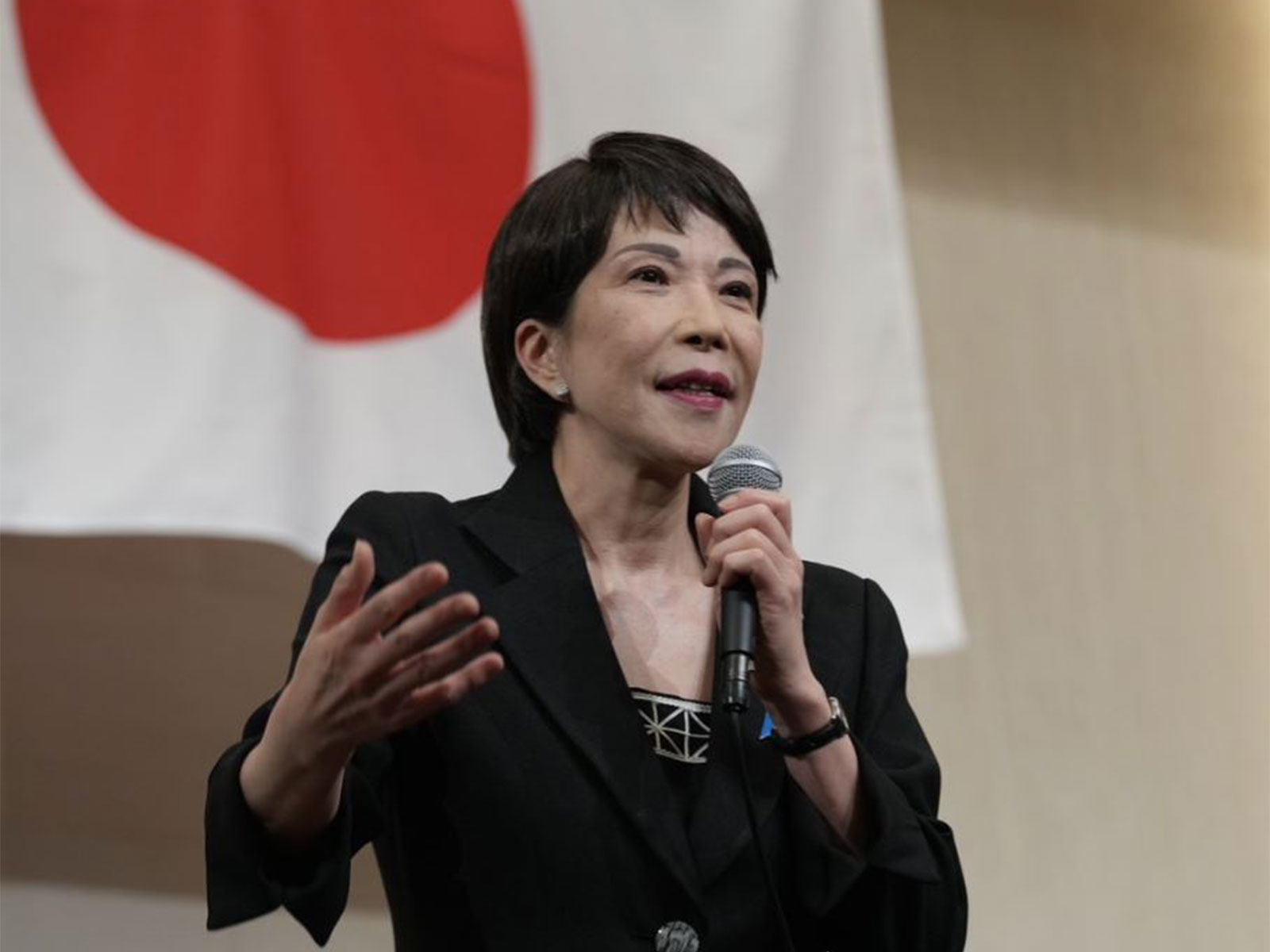
In a historic move, Sanae Takaichi emerges as Japan's first female prime minister, yet her leadership does not mark a victory for progressive politics. Takaichi's political stance aligns with right-wing ultraconservatism, characterized by traditionalist views on women's roles and Japanese society at large.
Takaichi's approach to immigration mirrors that of global right-wing populists, emphasizing national identity while supporting policies that may exacerbate Japan's ongoing demographic crisis. With a population decline over 16 consecutive years, Japan faces increasing labor shortages, and Takaichi's policies could lead to further economic stasis.
Despite being elected as leader of the ruling Liberal Democratic Party, Takaichi's ascent to power has been fraught with challenges, including coalition disputes and minority government status. With an ageing population, Japan's need for pragmatic immigration strategies grows, yet Takaichi's tenure may fail to address these critical issues effectively.
ALSO READ
-
Japanese Lawmakers Visit India to See Worker Protection and Skills Projects in Action
-
Japan-Backed ILO Projects Help 23,000 Workers Gain Rights and Fight Child Labour
-
Najib Razak's House Arrest: A New Chapter in Malaysia's Political Drama
-
Riding the Waves: India's Surfing Olympic Dream
-
Romania's Political Turmoil: A New Prime Minister Nominee Amidst Uncertainty


 Google News