

Immigration Trends: Britain's Evolving Policies and Public Perception
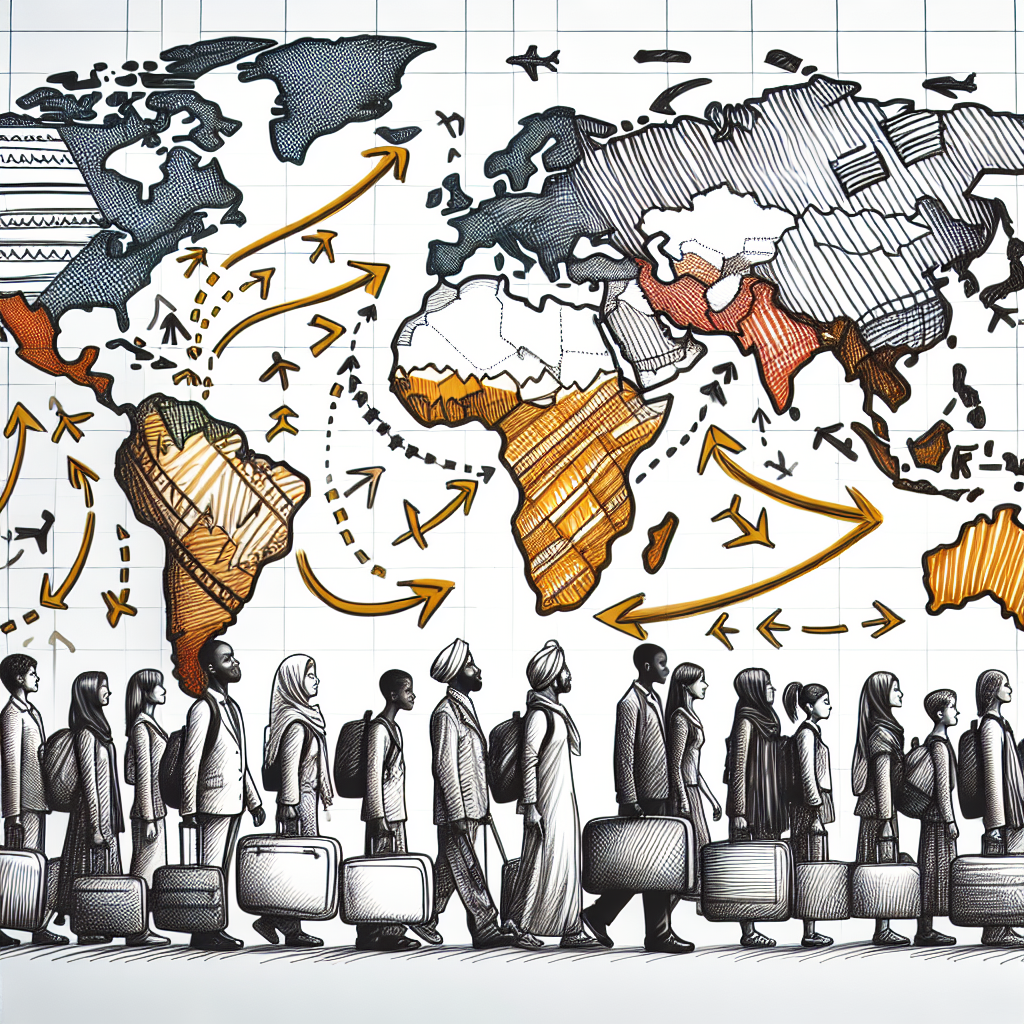
Britain's net migration decreased to 204,000 in the year to June, continuing a decline influenced by stricter government policies. As immigration remains a central political issue, recent government reforms aim to curb arrivals further. However, public perception often contradicts actual migration trends, highlighting misconceptions.
- Country:
- United Kingdom
Long-term net migration to Britain saw a significant reduction, dropping to 204,000 in the year to June, according to official data released on Thursday. This marks a two-thirds decline from the previous year, continuing a downward trend influenced by the government's stricter immigration policies.
Immigration has continued to dominate Britain's political landscape for over a decade, with successive governments imposing tougher visa regulations and higher salary requirements to curb arrivals. In response to the populist Reform UK party's growing popularity, the Labour government is enacting even stricter policies.
Revised statistics from the Office for National Statistics revealed that net immigration peaked at 944,000 in the 12 months leading to March 2023 but fell to 345,000 in 2024. Despite declining numbers, the public perceives immigration as the nation's primary issue, fueled by concerns over asylum seekers arriving via small boats from France. Recent reforms aim to address these concerns, yet public misconceptions about migration trends persist.
ALSO READ
-
Withdrawal of ICE Director Nomination: A Surprise Turn
-
Britain Seeks Inclusion in EU's 'Made in Europe' Policy
-
Prince Harry's Return to Britain and Spotlight on Invictus Spirit Awards
-
Trump Rallies in North Carolina: Republican Senate Hopefuls Struggle
-
Salazar Cautions Trump: Immigration Agenda May Cost GOP


 Google News