

Bureaucracy: The Unseen Stabilizer in US-China Relations
Despite ideological differences between the US and China, their bureaucracies exhibit similar behavior due to shared career incentives. Researchers reveal that tensions between these superpowers are more political than procedural, highlighting the role bureaucrats play in navigating complex global challenges, from aid diplomacy to environmental governance and public health crises.
- Country:
- Germany
The escalating tensions between the US and China in recent years have often been framed as a clash of ideologies. However, beneath the political rhetoric lies a bureaucratic reality where both nations are surprisingly aligned, driven by career incentives that transcend political systems.
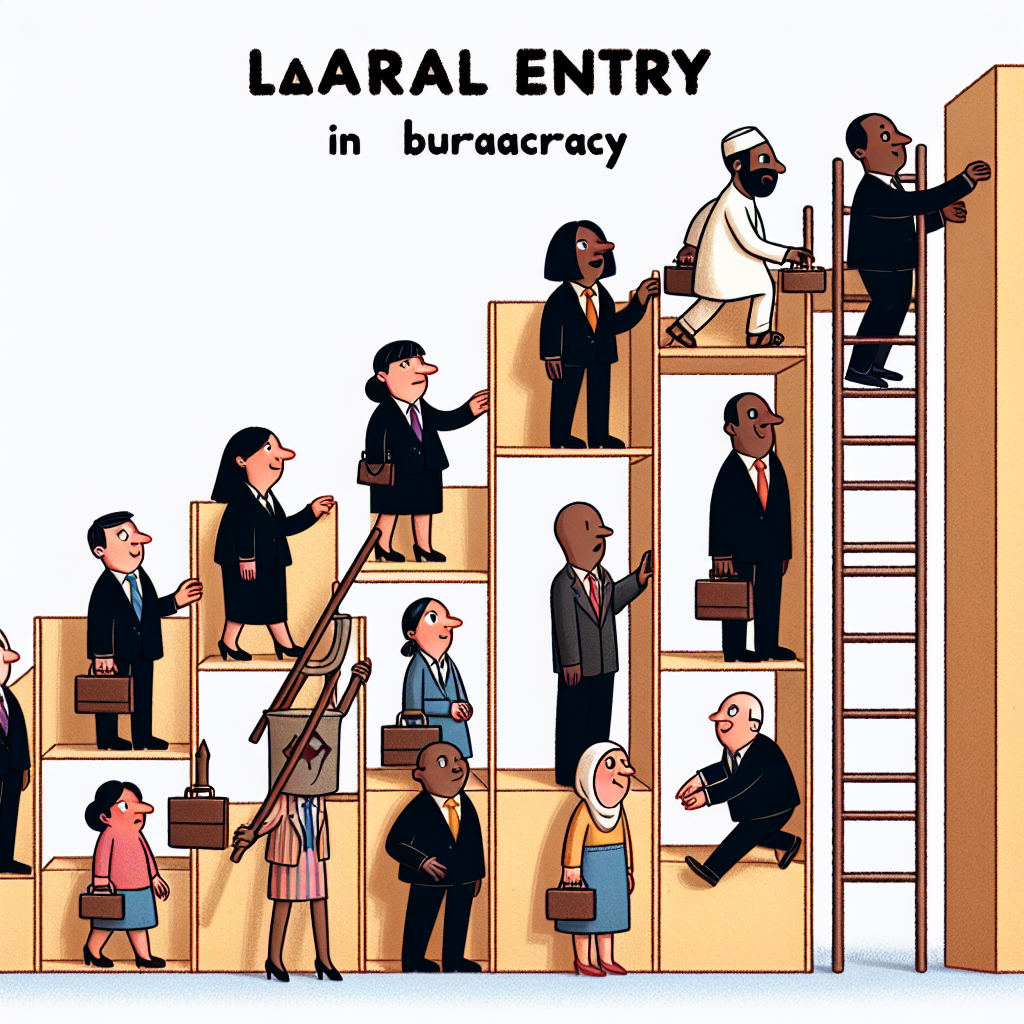
Research indicates that American and Chinese bureaucrats navigate similar challenges, such as foreign aid, environmental management, and public health issues, regardless of their countries' differing political ideologies. Both administrations rely heavily on their bureaucracies to execute political strategies, creating a predictable stability amid heightened geopolitical uncertainties.
Comparative studies showcase that civil servants worldwide, including those in the US and China, generally focus on career advancement while avoiding blame for policy failures. With bureaucracies acting as operational anchors, this phenomenon helps mitigate the effects of erratic political announcements, ensuring stability even during volatile times.


 Google News