

France's Budget Tussle: Emergency Legislation to Avert Crisis
Prime Minister Sebastien Lecornu is engaging with French political leaders to pass emergency legislation amid the absence of a complete 2026 budget. With investors scrutinizing France's finances, Lecornu seeks to extend operations into January while avoiding a confidence vote. Emergency measures previously cost the government 12 billion euros.
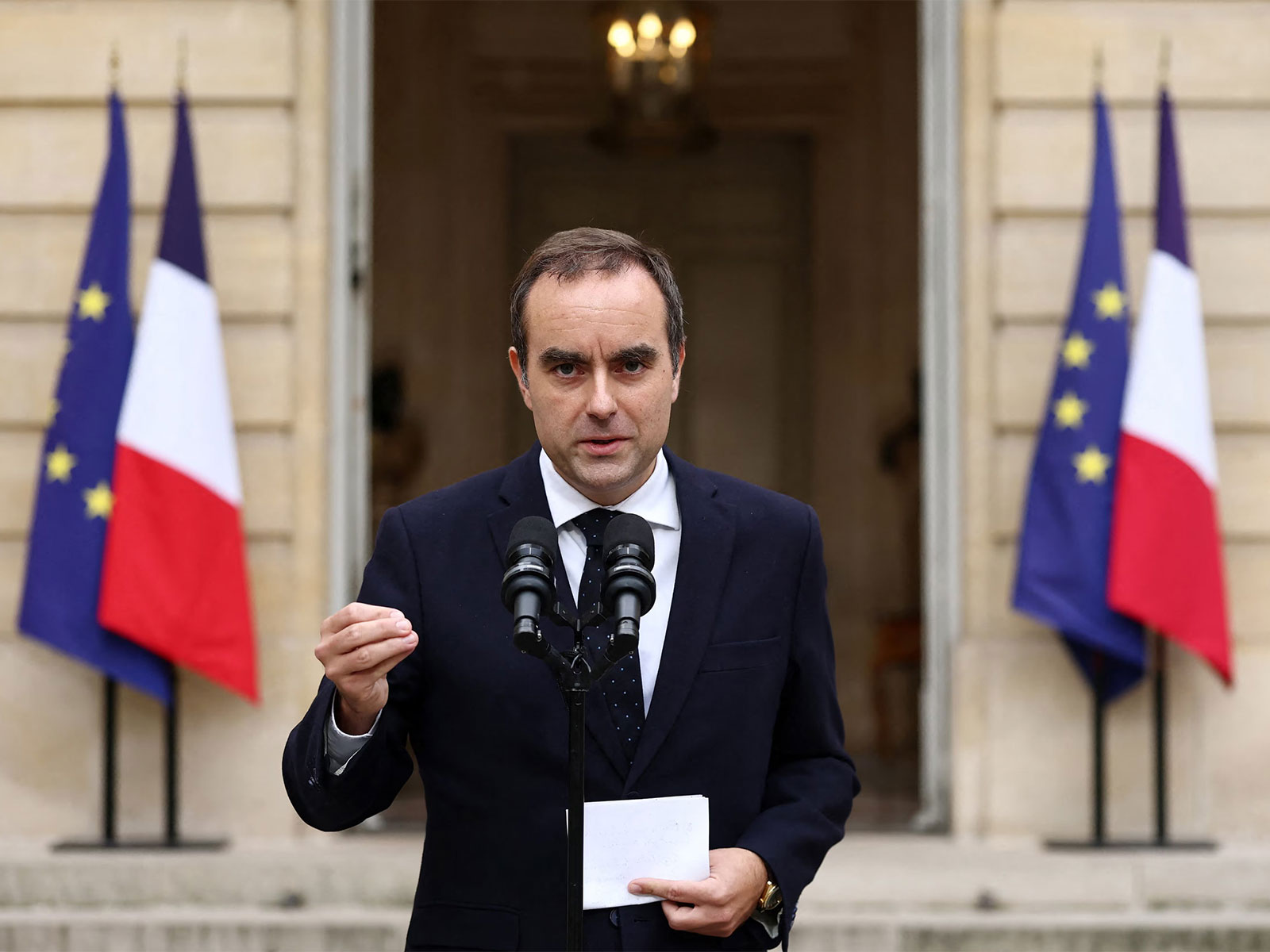
Prime Minister Sebastien Lecornu is actively consulting with French political leaders to implement emergency legislation to sustain government operations into the new year. The absence of a finalized 2026 budget has prompted this move after a joint committee failed to reach a consensus last week.
Lecornu's strategy involves discussions with various parties, excluding the far-right and hard-left factions, to draft a rollover law. This legislation is anticipated to be approved by the cabinet and forwarded to parliament, providing more time for budget discussions in January.
The stakes are high as France faces scrutiny over its budget deficit, the largest in the eurozone. Meanwhile, Lecornu aims to avoid triggering a confidence vote, relying instead on compromise and political dialogue to stabilize his minority government.
ALSO READ
-
UN Experts Warn Children Reporting Sexual Abuse in France Still Face Risks in Court
-
France Plans Housing Hub to Unlock European Funding and Technical Expertise
-
AfDB and France Build €2.4 Billion Partnership for Jobs and Growth
-
The Azcatitlan Codex Returns: A Historical Reunion After 183 Years
-
France's Ambitious Plan to Tame Deficit Amid Protests


 Google News