

Maduro's Capture: A Turning Point for U.S.-Venezuela Relations
Amid global tension, Venezuelan President Nicolas Maduro faced a U.S. court after being captured by American forces. The Trump administration cited law-enforcement reasons, further complicated by geopolitical oil interests. Maduro, accused of narco-terrorism, remains defiant amidst international legal and ethical questions on the U.S. actions.
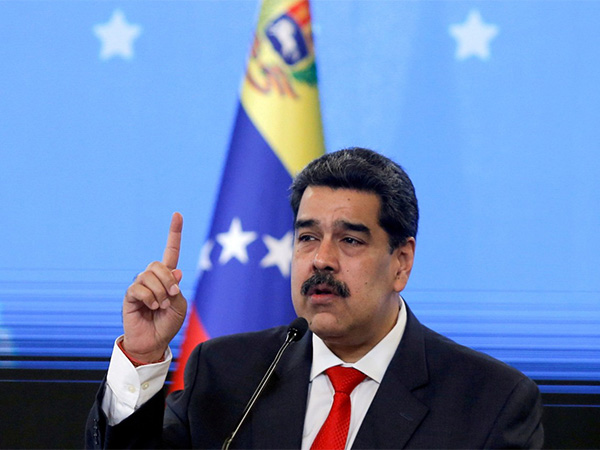
In a significant geopolitical development, Venezuelan President Nicolas Maduro was taken into custody over the weekend by U.S. forces and appeared in an American court. This move has sparked international debate, with President Donald Trump hinting at further actions if Venezuela fails to comply with U.S. demands.
The Trump administration justifies the operation as a crackdown on narco-terrorism, but critics argue that oil politics are at play. Trump's statements aboard Air Force One underscored intentions to restore U.S. oil interests in Venezuela, a nation once considered an economic marvel in Latin America.
Maduro, facing charges related to drug trafficking, denies any wrongdoing. Meanwhile, Venezuela faces uncertainties in the wake of Maduro's capture, as the global community watches closely. The U.N. Security Council is poised to discuss the implications of this precedent-setting incident, leaving Venezuela's internal and international future hanging in the balance.


 Google News