

Bangladesh's Garment Industry Seeks Stability Amid Political and Economic Turmoil
Bangladesh's garment industry, which constitutes 80% of the country's exports, is grappling with a decline in exports due to U.S. tariffs and domestic turmoil. With upcoming elections, industry leaders are urging for policy stability and competitive costs as the U.S. agrees to a new trade deal offering some relief.
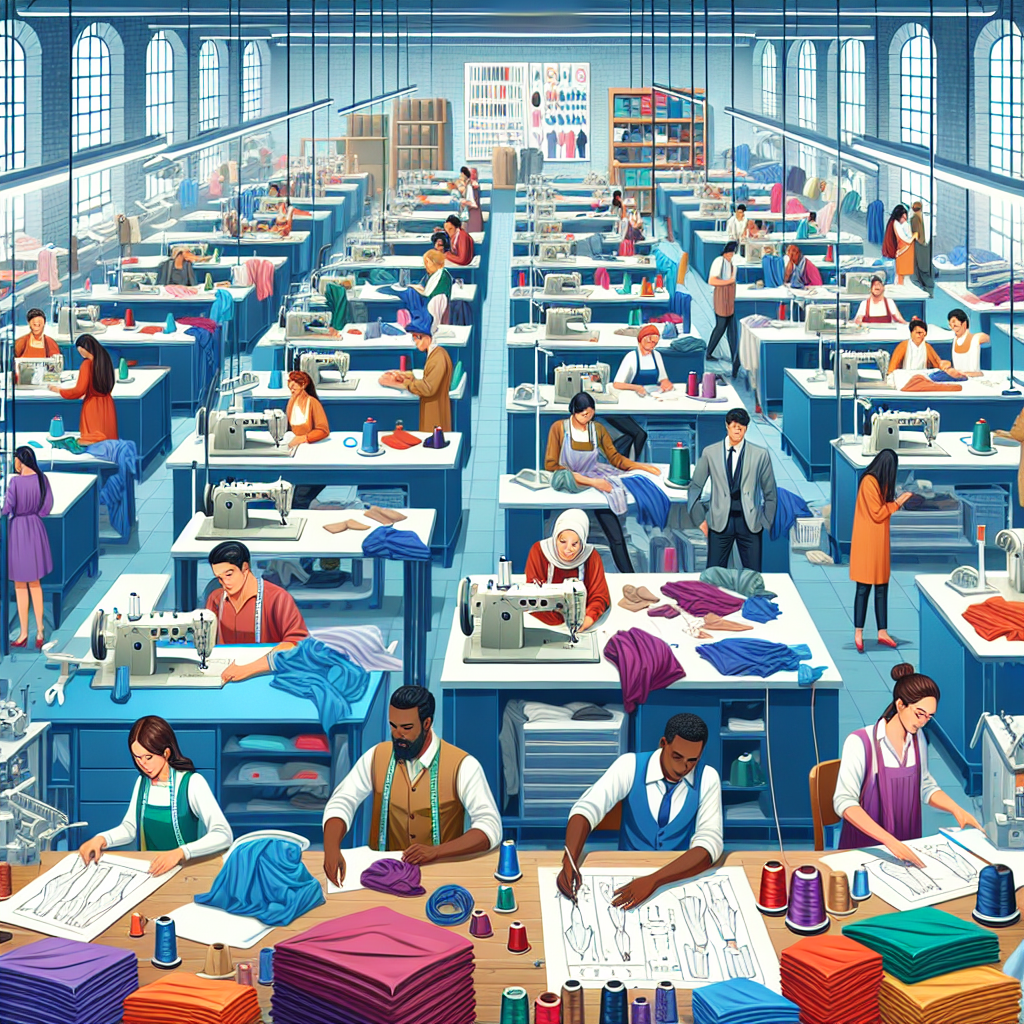
Millions of Bangladeshi garment workers and their employers are poised to vote on Thursday, with hopes pinned on a new government to salvage the country's largest industry. The sector has seen six consecutive months of declining exports due to U.S. tariffs and domestic political unrest.
As the backbone of Bangladesh's economy, the garment industry accounts for 80% of the nation's exports. It employs nearly four million workers, predominantly women, supplying major global brands. Leaders in the industry stress the urgent need for long-term policy stability and competitive energy costs to ensure sustainability.
Amid this economic challenge, a new trade deal with the U.S. provides some hope by offering duty-free access to a certain quota of exports. However, the full impact will hinge on the implementation of pricing and quota systems, alongside efforts to diversify beyond garment production.
ALSO READ
-
Bangladesh’s Deadliest Dengue Month Exposes the Cost of Gaps in Prevention and Hospital Capacity
-
Bangladesh Secures $100m ADB Loan to Help 40,000 Families Build Safer Homes
-
ADB Backs Bangladesh’s Power Upgrade With $200M for Growing Dhaka Communities
-
Bangladesh’s Job Market at a Crossroads as Rapid Growth Fails to Deliver Enough Employment
-
Supreme Court Seeks Centre's Response on West Bengal Woman's Alleged Deportation


 Google News