

Japan to begin first test of space elevator prototype, travels space without rockets
But before a special elevator actually begins to function, Japanese scientists want to experiment.
- Country:
- Japan
In September, researchers at Shizuoka University in Japan will begin the first tests of a "space elevator" prototype. The invention promises to bring people and equipment from Earth to space without the use of rockets.
But before a special elevator actually begins to function, Japanese scientists want to experiment and observe the behavior of mechanical parts involved in a design of this size outside the Earth's atmosphere and gravity. For this, they will use a thumbnail.
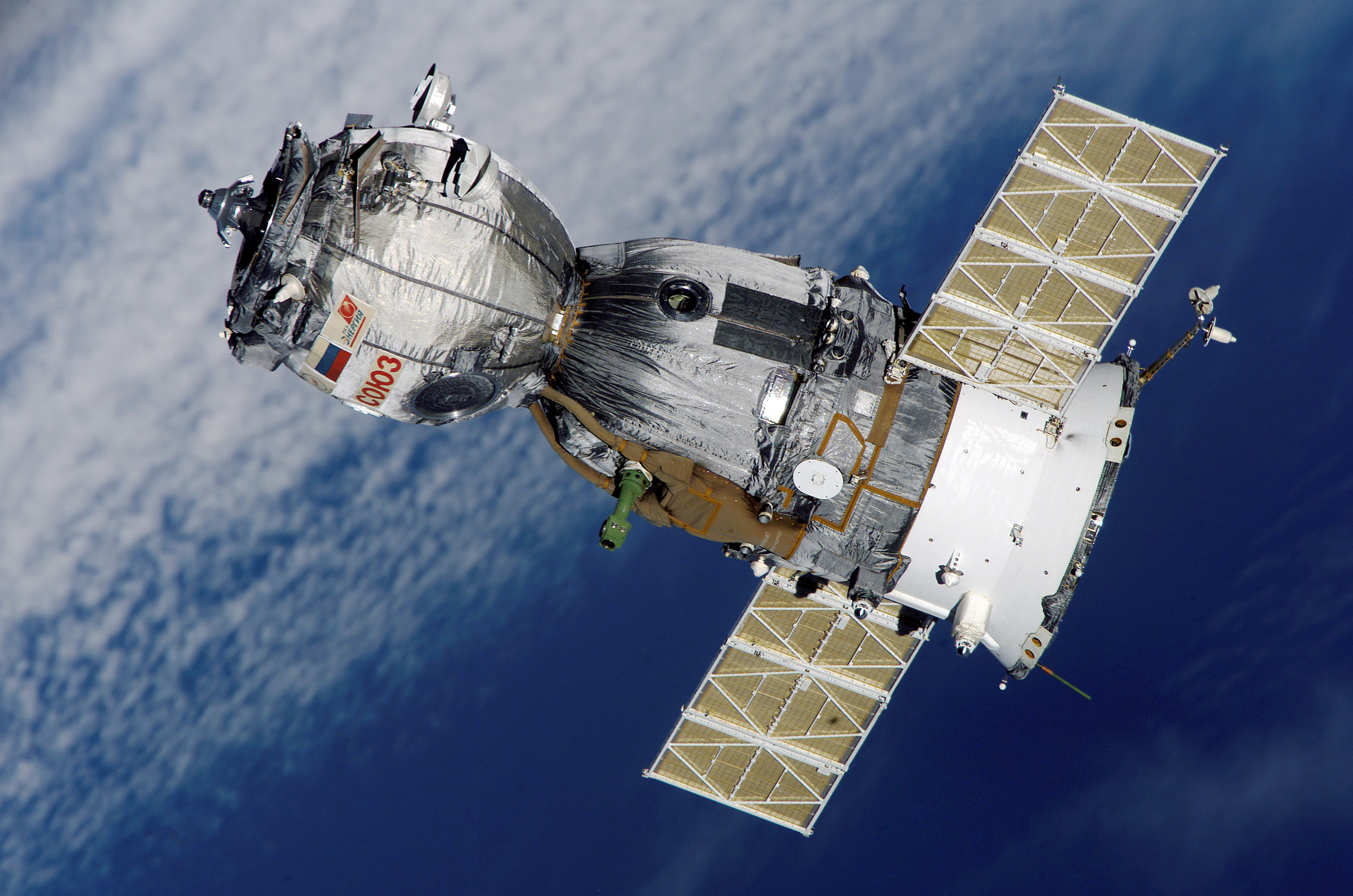
The researchers will send to the International Space Station (ISS) on September 11 two microsatellites, each just 10 centimeters, connected to each other by a 10-meter steel cable. They will be released into space by the ISS crew.
A small container will be moved, through the cable, from one microsatellite to the other, mimicking the movement of an elevator. Cameras attached to both ends of the cable will allow Earth scientists to observe the movement and keep an eye on possible problems.
Even if the small elevator succeeds in its mission in space, a similar large-scale project can still be reproduced in the form of a practical elevator between the Earth and the ISS, explains the Japanese newspaper Mainichi.
It is necessary, for example, to find materials that survive the extreme conditions of outer space, such as the rains of cosmic rays and small debris that circulate in the orbit of the planet, as well as a way to transmit electricity by such a great distance.
In any case, companies and universities that study the idea of space elevators imagine that technology can greatly reduce the costs and risks involved in transporting people and equipment from Earth to ISS in the future.


 Google News