

Study demos potentially better way to make oxygen for astronauts in space
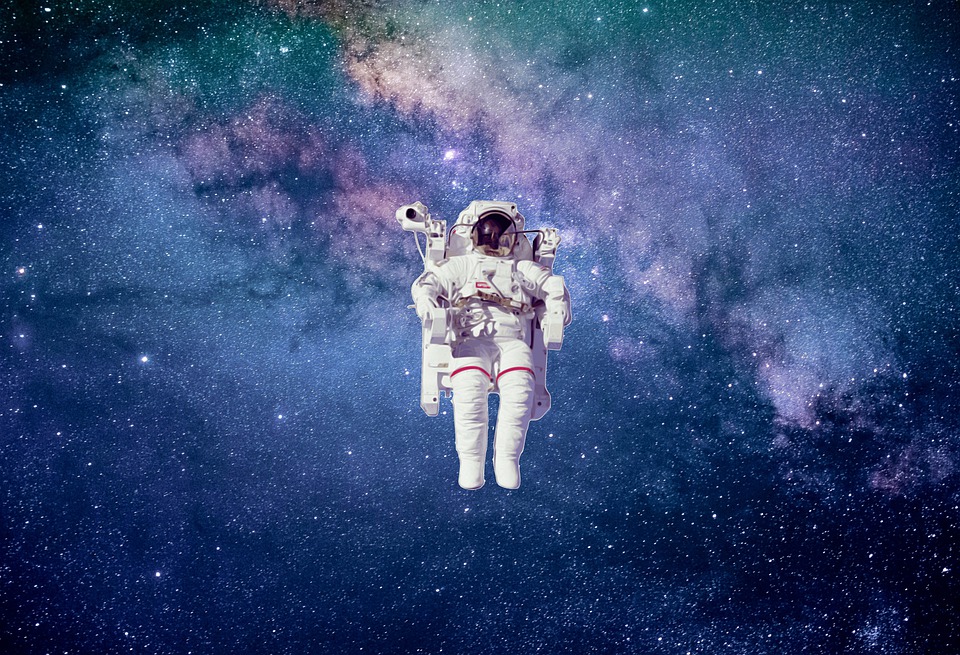
Producing oxygen in low gravity environments, such as aboard the International Space Station (ISS), is challenging and resource-intensive. An international team of researchers have proposed a new way to produce oxygen for astronauts in space using magnets. The new method could aid the development of better technology as humans plan future missions to the Moon, Mars and beyond.
"On the International Space Station, oxygen is generated using an electrolytic cell that splits water into hydrogen and oxygen, but then you have to get those gasses out of the system. A relatively recent analysis from a researcher at NASA Ames concluded that adapting the same architecture on a trip to Mars would have such significant mass and reliability penalties that it wouldn't make any sense to use," says lead author Álvaro Romero-Calvo, a recent PhD graduate from the University of Colorado Boulder.
The study involving the University of Warwick chemist Dr Katharina Brinkert and Professor Hanspeter Schaub of the University of Colorado Boulder is published in the journal npj Microgravity. Dr Brinkert of the University of Warwick Department of Chemistry and Center for Applied Space Technology and Microgravity (ZARM) in Germany led the team in successful experimental tests at a special drop tower facility that simulates microgravity conditions.
While NASA uses centrifuges to force the gasses out, those machines are large and require significant mass, power, and maintenance. The team has conducted experiments demonstrating magnets could achieve the same results in some cases.
The new study demonstrates for the first time gas bubbles can be 'attracted to' and 'repelled from' a simple neodymium magnet in microgravity by immersing them in different types of aqueous solution.
"After years of analytical and computational research, being able to use this amazing drop tower in Germany provided concrete proof that this concept will function in the zero-g space environment," says Professor Hanspeter Schaub.


 Google News