

Science News Roundup: In Spain's La Rioja, old vines could future-proof wine against climate change; SpaceX launches first Falcon Heavy mission since 2019 from Florida and more
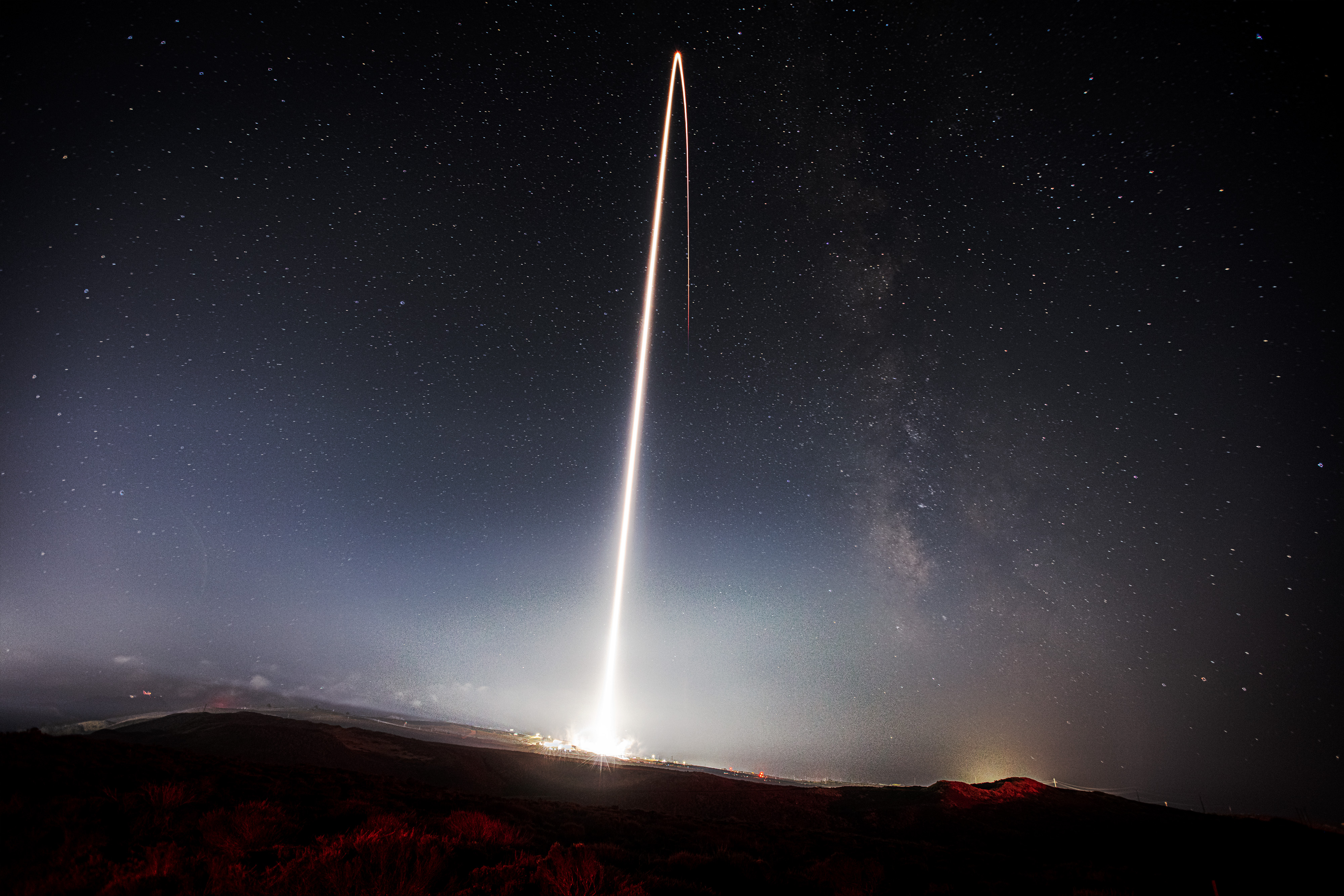
The green reveals a change from the local grapevine genome's archetype that indicates a longer ripeness cycle, increasingly coveted by winemakers in Spain and worldwide. SpaceX launches first Falcon Heavy mission since 2019 from Florida SpaceX's Falcon Heavy, the world's most-powerful active rocket, lifted off on Tuesday for the first time in more than three years through dense fog at Florida's Cape Canaveral, with Elon Musk's company sending satellites into orbit for the U.S. Space Force.
Following is a summary of current science news briefs.
In Spain's La Rioja, old vines could future-proof wine against climate change
When Spanish genetics researcher Pablo Carbonell spots a green rectangle among the endless grey rows on his computer's screen, it could be good news for winemakers struggling with the impact of a warmer climate. The green reveals a change from the local grapevine genome's archetype that indicates a longer ripeness cycle, increasingly coveted by winemakers in Spain and worldwide.
SpaceX launches first Falcon Heavy mission since 2019 from Florida
SpaceX's Falcon Heavy, the world's most-powerful active rocket, lifted off on Tuesday for the first time in more than three years through dense fog at Florida's Cape Canaveral, with Elon Musk's company sending satellites into orbit for the U.S. Space Force. The rocket system, consisting of three Falcon 9 boosters strapped side-by-side, took off from a SpaceX launch pad, with two satellites from the Space Force and a group of smaller satellites bound for orbit. The Space Force did not provide details of its satellites and requested that SpaceX end its launch live stream early without showing their deployment.
Blue whales found to swallow 10 million microplastic pieces daily
As Earth's largest animals, blue whales are mighty big eaters, gulping tons of food each day. They also now are ingesting huge amounts of plastic, according to scientists, due to the alarming volume of tiny particles of pollution choking the oceans. Researchers on Tuesday presented an estimate of the amount of microplastics ingested by three species of baleen whales - blue, fin and humpback - off the U.S. Pacific coast, detailing an issue posing uncertain health concerns for these marine mammals.


 Google News