

Science News Roundup: Japan extends participation in International Space Station to 2030; Lab-grown meat cleared for human consumption by U.S. regulator and more
Following is a summary of current science news briefs.
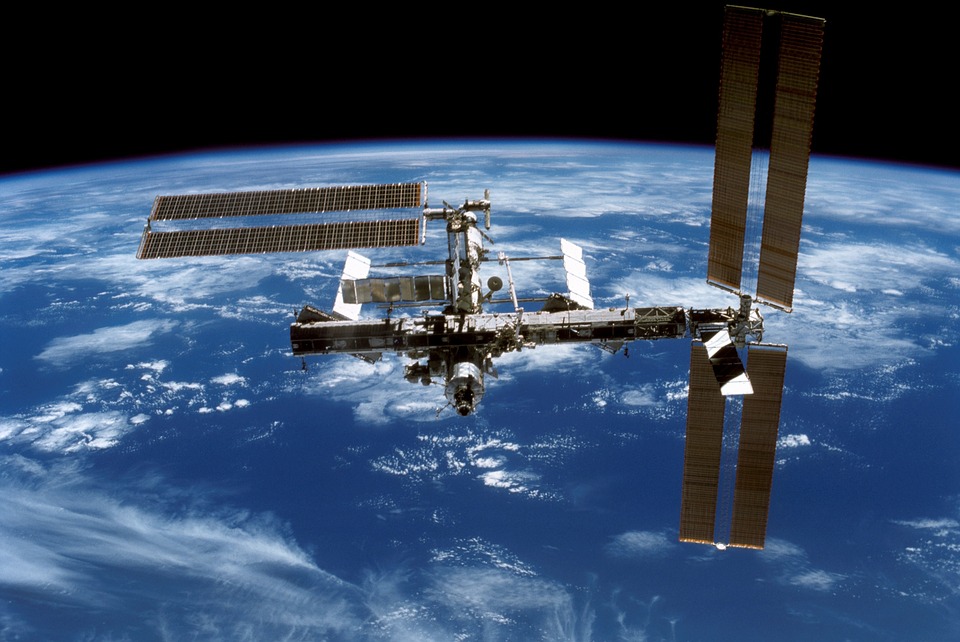
Japan extends participation in International Space Station to 2030
Japan will extend its participation in the International Space Station (ISS) programme to 2030, education and science minister Keiko Nagaoka said on Friday, following the footsteps of ally the United States. The United States pledged in December to keep the ISS operational through to 2030. Among Washington's programme partners, which are Russia, Canada, Japan and the 11-nation European Space Agency, Tokyo is the first to join the United States in extending participation.
Lab-grown meat cleared for human consumption by U.S. regulator
The U.S. Food and Drug Administration (FDA) for the first time cleared a meat product grown from animal cells for human consumption, the agency announced on Wednesday. UPSIDE Foods, a company that makes cell-cultured chicken by harvesting cells from live animals and using the cells to grow meat in stainless-steel tanks, will be able to bring its products to market once it has been inspected by the U.S. Department of Agriculture (USDA), said a release from the FDA.
NASA's Artemis rocketship on course for moon after epic launch
With a dash of launch-pad heroics and 8.8 million pounds (4 million kg) of thrust, NASA's colossal new rocket soared into space for the first time early on Wednesday, sending a next-generation capsule on a crewless voyage around the moon and back 50 years after the final Apollo lunar mission. The U.S. space agency's much-delayed and highly anticipated launch from Florida kicked off Apollo's successor program, Artemis, aimed at returning astronauts to the lunar surface this decade and establishing a sustainable base there as a stepping stone to future human exploration of Mars.
Fossils of car-sized dinosaur-era sea turtle unearthed in Spain
Plying the subtropical seas that washed the coasts of the archipelago that made up Europe 83 million years ago was one of the largest turtles on record, a reptile the size of a small car - a Mini Cooper to be precise - that braved dangerous waters. Researchers on Thursday described remains discovered in northeastern Spain of a turtle named Leviathanochelys aenigmatica that was about 12 feet (3.7 meters) long, weighed a bit under two tons and lived during the Cretaceous Period - the final chapter in the age of dinosaurs. It is Europe's biggest-known turtle.
India successfully launches first privately made rocket
India successfully launched its first privately developed rocket, the Vikram-S, on Friday, a milestone in the country's effort to create a commercial space industry and to compete on cost. The 545-kg rocket, developed by space startup Skyroot, took off from the Indian space agency's launch site near Chennai and hit a peak altitude of 89.5 kilometers (km).
ALSO READ
-
Japanese Lawmakers Visit India to See Worker Protection and Skills Projects in Action
-
Indian Unions Push for Fair Recruitment and Rights for Care Workers in Germany
-
Cleaner Kitchens, Polluted Skies: Hidden Health Cost of India’s Electricity Boom
-
Japan-Backed ILO Projects Help 23,000 Workers Gain Rights and Fight Child Labour
-
India's Delicate Balancing Act: Navigating Energy Security Amid Middle Eastern Tensions


 Google News