

Powering Up the Fight Against Climate Change: The Role of Emerging Technologies
The blog post explores the ways in which emerging technologies can help fight climate change. From renewable energy sources to energy storage and precision agriculture, these technologies have the potential to reduce greenhouse gas emissions and help communities adapt to the impacts of climate change. However, it is important to consider the potential negative impacts of these technologies and to ensure that they are used in a responsible and sustainable manner.
 Devdiscourse News Desk
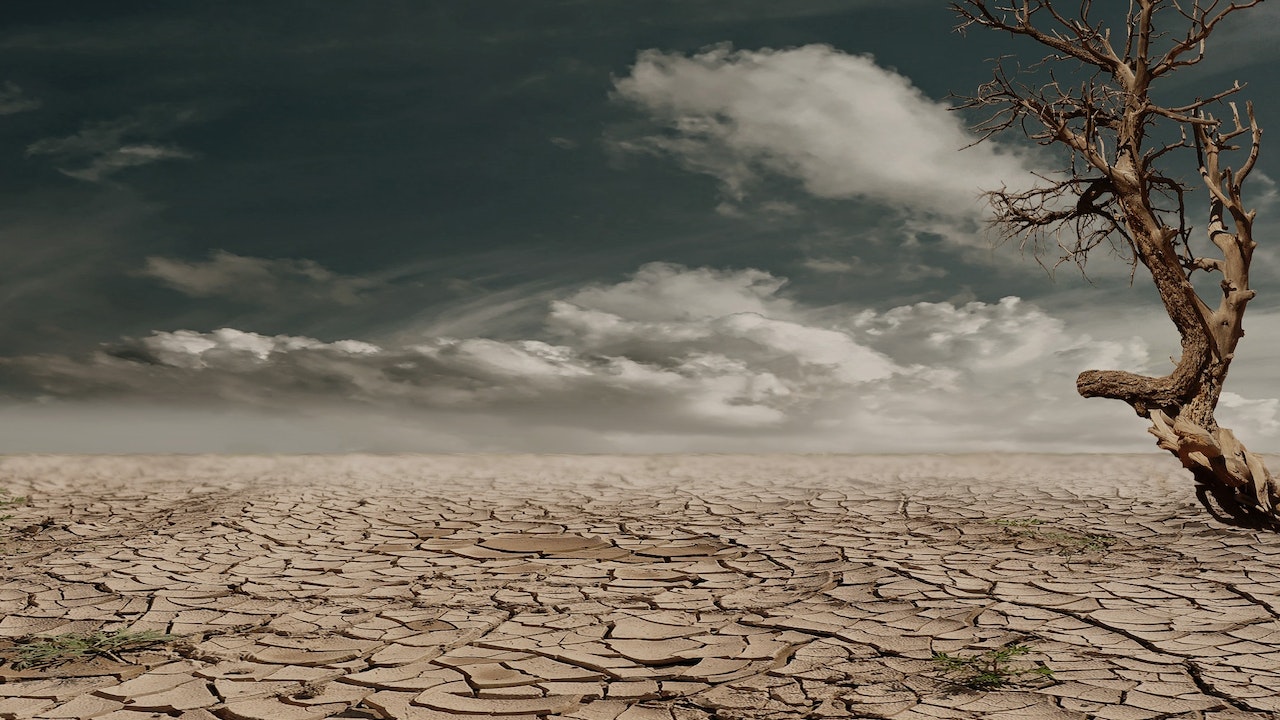
Climate change is one of the most pressing issues of our time. With rising global temperatures, extreme weather events, and devastating impacts on ecosystems and human populations, the need for urgent action to address climate change has never been more apparent. While there is no single solution to this complex problem, emerging technologies have the potential to play a crucial role in mitigating and adapting to the impacts of climate change. In this blog post, we will explore some of the ways that emerging technologies can power up the fight against climate change.
One of the most promising areas of innovation in the fight against climate change is renewable energy. Traditional energy sources such as coal, oil, and natural gas are major contributors to greenhouse gas emissions, which are the primary cause of global warming. Renewable energy sources, on the other hand, offer a way to generate power without emitting greenhouse gases. The most well-known forms of renewable energy are solar, wind, and hydropower, but there are many other emerging technologies that have the potential to transform the way we generate and use energy.
One of these emerging technologies is tidal power. Tidal power involves harnessing the energy of ocean tides to generate electricity. This technology has the advantage of being predictable, as tides are regular and predictable phenomena, making it easier to integrate into the power grid. Tidal power has the potential to generate significant amounts of electricity, particularly in coastal areas, and could play a key role in reducing greenhouse gas emissions.
Another emerging technology that has the potential to revolutionize the energy sector is energy storage. As renewable energy sources like solar and wind become more prevalent, the challenge of storing energy generated during periods of high production becomes increasingly important. Energy storage technologies like batteries, pumped hydro storage, and thermal storage offer a way to store excess energy for use during periods of low production. This not only helps to ensure a more stable and reliable energy supply but also makes it possible to use renewable energy sources on a larger scale, reducing reliance on fossil fuels.
In addition to renewable energy, emerging technologies are also being developed to address other aspects of climate change. For example, one of the most significant drivers of deforestation and forest degradation is the agricultural industry. The clearing of forests for agricultural purposes not only contributes to greenhouse gas emissions but also reduces the ability of forests to absorb carbon dioxide from the atmosphere. Emerging technologies like precision agriculture and vertical farming offer a way to produce food with fewer resources and less environmental impact, reducing the pressure on forests and other ecosystems.
Another area where emerging technologies are making a difference is in the transportation sector. The transportation sector is a major contributor to greenhouse gas emissions, with cars and trucks being among the largest emitters. Electric vehicles offer a way to reduce emissions from transportation, and emerging technologies like self-driving cars and advanced materials for vehicle construction are helping to make electric vehicles more affordable and accessible. In addition, transportation innovations like shared mobility and alternative fuels are helping to reduce the overall carbon footprint of the transportation sector.
Emerging technologies also have a role to play in climate adaptation, helping communities to better prepare for and respond to the impacts of climate change. For example, advances in data analytics and modeling are helping to improve our understanding of the risks associated with climate change, enabling more effective planning and decision-making. Emerging technologies like sensors and drones can also be used to monitor and respond to natural disasters like floods, hurricanes, and wildfires.
In conclusion, emerging technologies have the potential to power up the fight against climate change in a wide range of ways. From renewable energy to precision agriculture to electric vehicles, there are many emerging technologies that are helping to reduce greenhouse gas emissions and adapt to the impacts of climate change. As these technologies continue to develop and become more widely adopted, they offer hope for a more sustainable and resilient future. However, it is important to remember that technology alone cannot solve the problem of climate change. In addition to technological innovations, we also need strong policies, regulations, and incentives to promote the adoption of low-carbon technologies and practices. We also need individual and collective action to reduce our own carbon footprint and advocate for climate action.
ALSO READ
-
Better Heat Planning Can Protect Crowds and Ease Pressure on Hospitals, WHO Says
-
EIB Backs Romania’s 1.3 GW Dama Solar Plant With €100m for Energy Growth
-
Naftogaz Sets Out Cleaner Energy Future With EIB Support and 2050 Net Zero Target
-
Hotter Years, More Cavities? Understanding Link Between Climate and Dental Health
-
Benin Secures €500 Million Financing to Expand Public Services and Create More Jobs


 Google News