

Naftogaz Sets Out Cleaner Energy Future With EIB Support and 2050 Net Zero Target
The EIB supported the strategy’s development over 18 months through €400,000 in technical assistance under its EU for Ukraine (EU4U) Advisory Programme.
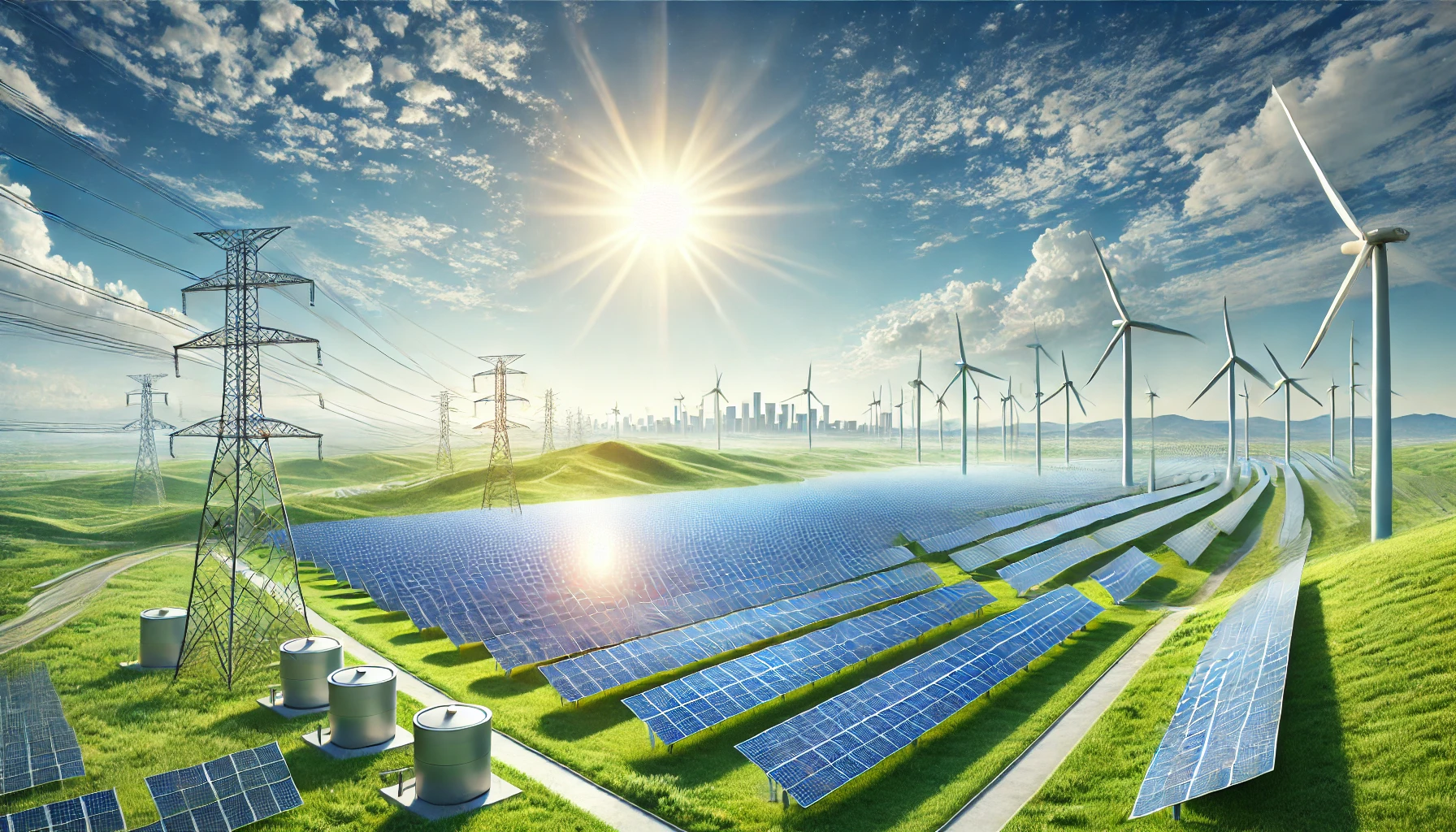
Ukraine's state-owned Naftogaz Group has adopted a decarbonisation strategy that puts cleaner energy and lower emissions alongside one of the country's most pressing needs: keeping energy supplies dependable during wartime. Developed with support from the European Investment Bank (EIB), the strategy gives the company a framework for cutting emissions across its activities and developing cleaner energy solutions. Its long-term target is to reach net zero by 2050 for emissions from its own operations and the energy it purchases, establishing a defined scope for the commitment.
Turning Climate Commitments Into Practical Changes
The EIB supported the strategy's development over 18 months through €400,000 in technical assistance under its EU for Ukraine (EU4U) Advisory Programme. That funding brought external specialists together with Naftogaz to examine its climate objectives and identify practical ways to reduce emissions across the business. For a company responsible for helping meet Ukraine's energy needs, the work connects a distant climate target with decisions about equipment, energy use and the technologies that could support its future operations.
The strategy focuses on reducing methane emissions, improving energy efficiency, expanding renewable energy and energy storage, and developing new low-carbon energy solutions. These priorities give Naftogaz several routes for addressing emissions, from changes within its existing operations to investment in cleaner sources of energy. The adoption of the strategy establishes the framework for this work; putting it into practice will require the company to translate those priorities into projects and equipment upgrades that reflect Ukraine's security situation and current energy needs.
Modernisation Shaped by Ukraine's Wartime Needs
Acting Naftogaz Chief Executive Officer Sergii Fedrenko said the company's approach reflects European Union principles on low-carbon solutions and modern production technologies, with equipment modernisation planned step by step across the Group's companies. He linked the pace of that work to the security situation and immediate needs, and thanked the EIB for its support and expertise. His comments place the transition in the context of running an energy business in a country facing continued attacks on its energy infrastructure, where investment decisions must account for both future emissions and dependable supplies today.
EIB Vice-President Karl Nehammer described the strategy as an important step towards Naftogaz's climate objectives and stressed Ukraine's need for a strong, secure energy system that can support a cleaner future. The bank's involvement brings technical assistance into a partnership already focused on energy security, giving Naftogaz access to expertise as it develops its response to those connected challenges. The EIB has said it will continue supporting the company as it implements the strategy and advances sustainable development.
Gas Supply Financing and Cleaner Energy Investment
The decarbonisation plan forms part of a wider EIB–Naftogaz partnership covering immediate energy supplies and the longer-term transition. In 2025 and 2026, the EIB provided almost €500 million in financing for Naftogaz to purchase gas and help secure supplies amid continuing attacks on Ukraine's energy infrastructure. The financing was backed by the European Commission under the EU's Ukraine Investment Framework and is complemented by Naftogaz's commitment to invest in renewable energy and decarbonisation. Gas purchases address urgent supply pressures, and the new strategy sets out how the company intends to reduce the emissions associated with its operations over the coming decades.
ALSO READ
-
EIB and BNP Paribas Back Europe’s Energy Grids With €2.8 Billion Investment
-
KSrelief and UNDP Launch $5M Lifeline for Ukraine’s War-Affected Hospitals
-
Colombia Bets on Vaccine Manufacturing to Build Health Security and Cut Import Dependence
-
Colombia Gets €15 Million Boost to Build Vaccine Capacity and Cut Import Dependence
-
Poltava University Reopens With Safer, Greener Spaces for Nearly 3,000 Campus Users


 Google News