

Science News Roundup: What to know about October's 'ring of fire' solar eclipse; Mexico researchers show progress on drive to replace U.S. corn imports
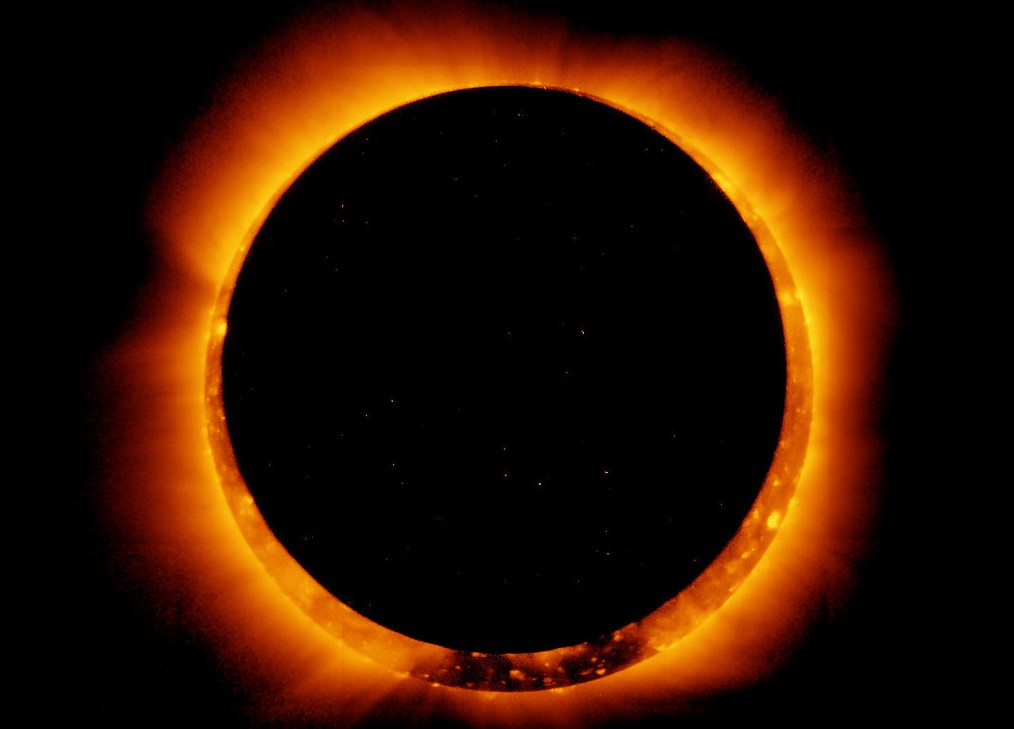
Experts at the Autonomous University of Chapingo, on the northeastern flank of Mexico City, unveiled advances in developing seeds for planting to offset corn imports as Mexico battles with the United States, its top trading partner, over its plan to limit use of genetically modified (GM) corn. Explainer-What to know about October's 'ring of fire' solar eclipse Millions of people in the Americas will be in a position to witness an astronomical treat on Oct. 14 with a solar eclipse in which - weather permitting - the moon will be seen passing in front of the sun.
Following is a summary of current science news briefs.
Mexico researchers show progress on drive to replace U.S. corn imports
Researchers at a top Mexican agricultural university this week showed the progress they had made in producing more non-GM yellow corn seeds to help replace imported grain from the United States that is at the center of a major bilateral trade dispute. Experts at the Autonomous University of Chapingo, on the northeastern flank of Mexico City, unveiled advances in developing seeds for planting to offset corn imports as Mexico battles with the United States, its top trading partner, over its plan to limit use of genetically modified (GM) corn.
Explainer-What to know about October's 'ring of fire' solar eclipse
Millions of people in the Americas will be in a position to witness an astronomical treat on Oct. 14 with a solar eclipse in which - weather permitting - the moon will be seen passing in front of the sun. The eclipse is due to be visible along a path covering parts of the United States, Mexico and several countries in Central America and South America.


 Google News