

Nature's Fury Unleashed: The Everlasting Drama of Lava-Driven Volcanoes
Explore the mesmerizing world of lava-driven volcanoes in "Nature's Fury Unleashed: The Everlasting Drama of Lava-Driven Volcanoes." From the rhythmic dance of molten rock to the fertile aftermath of eruptions, this blog unravels the geological symphony that shapes our planet, highlighting the perpetual cycle of birth, dormancy, and renewal.
 Devdiscourse News Desk
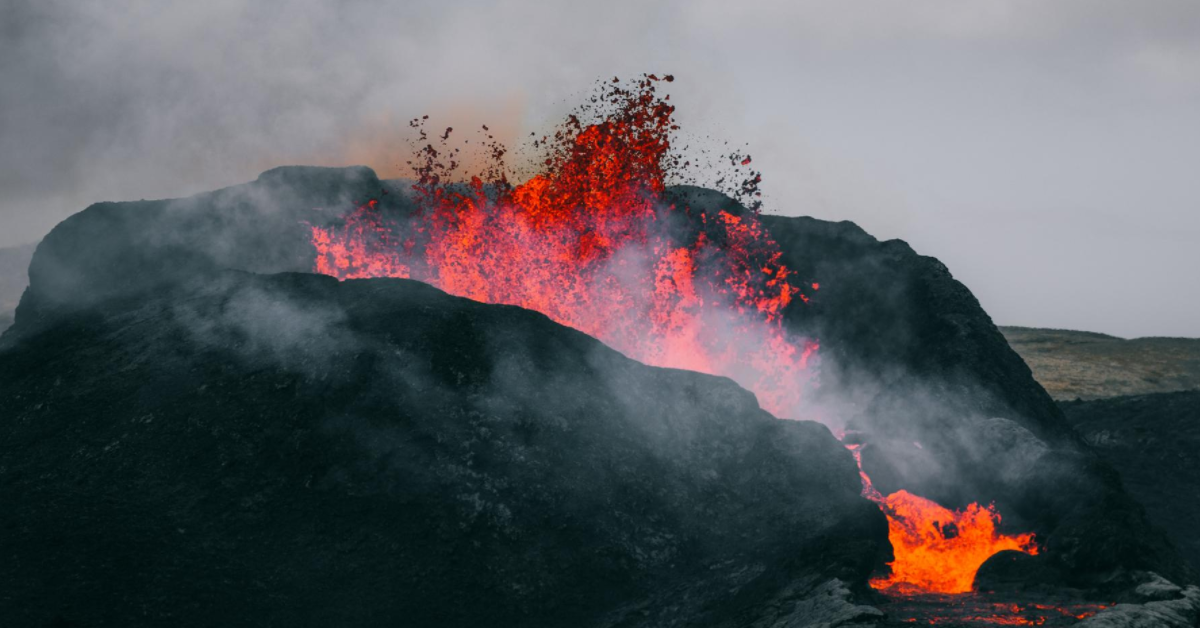
The Earth, our home, is a dynamic and ever-changing entity, with forces beneath its surface that shape the landscapes we inhabit. Among these awe-inspiring forces are volcanoes, majestic yet unpredictable giants that have captivated human imagination for centuries. In this exploration, we delve into the intriguing world of lava-driven volcanoes, seeking to understand the relentless drama that unfolds as molten rock emerges from the depths below.
The Symphony of Earth's Restlessness
Volcanoes are the Earth's expression of restlessness, and some of them seem to never tire of their fiery performance. Picture this: a mountain, seemingly dormant for decades, suddenly comes to life, spewing forth molten lava with an intensity that commands both fear and admiration. What drives this everlasting drama beneath the surface?
Volcanic Hotspots:
One key to the perpetual activity of certain volcanoes lies in the concept of volcanic hotspots. These are areas where magma rises to the Earth's surface, creating a hotspot of volcanic activity. The Hawaiian Islands, for instance, owe their existence to a hotspot beneath the Pacific Plate. As the plate moves over the hotspot, new volcanic islands are formed, showcasing nature's relentless creativity.
Subduction Zones:
Another factor contributing to the never-ending drama of lava-driven volcanoes is subduction zones. Here, two tectonic plates converge, and one is forced beneath the other, creating intense heat and pressure. The descending plate melts, forming magma that rises through the Earth's crust, often leading to explosive volcanic eruptions. The Pacific Ring of Fire, encircling the Pacific Ocean, is a vivid example of the fiery theatrics resulting from subduction.
The Lava Ballet: Nature's Unstoppable Dance
As lava cascades down the slopes of an active volcano, it's easy to imagine nature engaged in a mesmerizing ballet. The molten rock, once confined deep within the Earth, now takes center stage, showcasing the raw power and beauty of geological processes.
Lava Composition:
The composition of lava plays a crucial role in shaping the volcanic landscape. There are two main types of lava: basaltic and andesitic. Basaltic lava, characterized by its low viscosity, flows more freely, creating expansive landscapes like the Hawaiian lava fields. On the other hand, andesitic lava, with higher viscosity, tends to be more explosive, leading to the formation of towering stratovolcanoes.
Lava Channels and Flows:
The journey of lava from the depths to the surface is an intricate dance. Lava channels, resembling rivers of molten fire, snake their way down the volcano's slopes. These channels often solidify, creating natural pathways for future eruptions. The resulting lava flows, whether pāhoehoe (smooth) or 'a'ā (rough), shape the surrounding terrain, leaving a lasting imprint on the Earth's canvas.
The Endless Cycle: Birth, Dormancy, and Renewal
Volcanoes are not just symbols of destruction; they are also agents of creation. The continuous cycle of eruption, dormancy, and renewal contributes to the dynamic nature of our planet, sculpting landscapes and fostering biodiversity.
Fertile Soils:
The volcanic soil left in the wake of eruptions is remarkably fertile. This nutrient-rich soil becomes a cradle for new life, supporting the growth of diverse flora. In places like Mount St. Helens in the United States, the rebirth of ecosystems after a volcanic eruption is a testament to nature's resilience.
Biodiversity Hotspots:
Volcanic islands often become isolated laboratories for evolution, leading to the development of unique species found nowhere else on Earth. The Galápagos Islands, formed by volcanic activity, showcase the extraordinary biodiversity that emerges in the wake of geological upheaval.
Human Interaction with Lava-Driven Volcanoes
While the drama of lava-driven volcanoes is a spectacle of nature, it also presents challenges for those living in their vicinity. Human civilizations have developed in close proximity to these geological powerhouses, navigating a delicate balance between the benefits of fertile soils and the risks of volcanic activity.
Volcanic Hazards:
The hazards associated with volcanic eruptions are manifold. Pyroclastic flows, ashfall, and lava flows can pose significant threats to human settlements. Volcanic ash, when mixed with rain, creates a cement-like substance that can collapse roofs and cause infrastructure damage.
Monitoring and Preparedness:
Advances in technology have enabled scientists to monitor volcanic activity more effectively, providing early warnings and helping communities prepare for potential eruptions. Volcano observatories, equipped with seismometers and gas analyzers, play a crucial role in understanding the behavior of these unpredictable giants.
Conclusion: Nature's Unending Spectacle
In the grand tapestry of Earth's geological story, lava-driven volcanoes emerge as both artists and architects, shaping the world around them. The ever-spewing lava is not just a display of nature's fury but a testament to the planet's dynamic and enduring spirit.
As we witness the everlasting drama of lava-driven volcanoes, let us marvel at the intricate dance between the Earth's internal forces and the resilient life that emerges in their wake. Nature, in all its unpredictability, continues to captivate and humble us, inviting us to explore the mysteries of our ever-changing home.


 Google News