

China's Chang'e 6: Unveiling Secrets from the Moon's Far Side
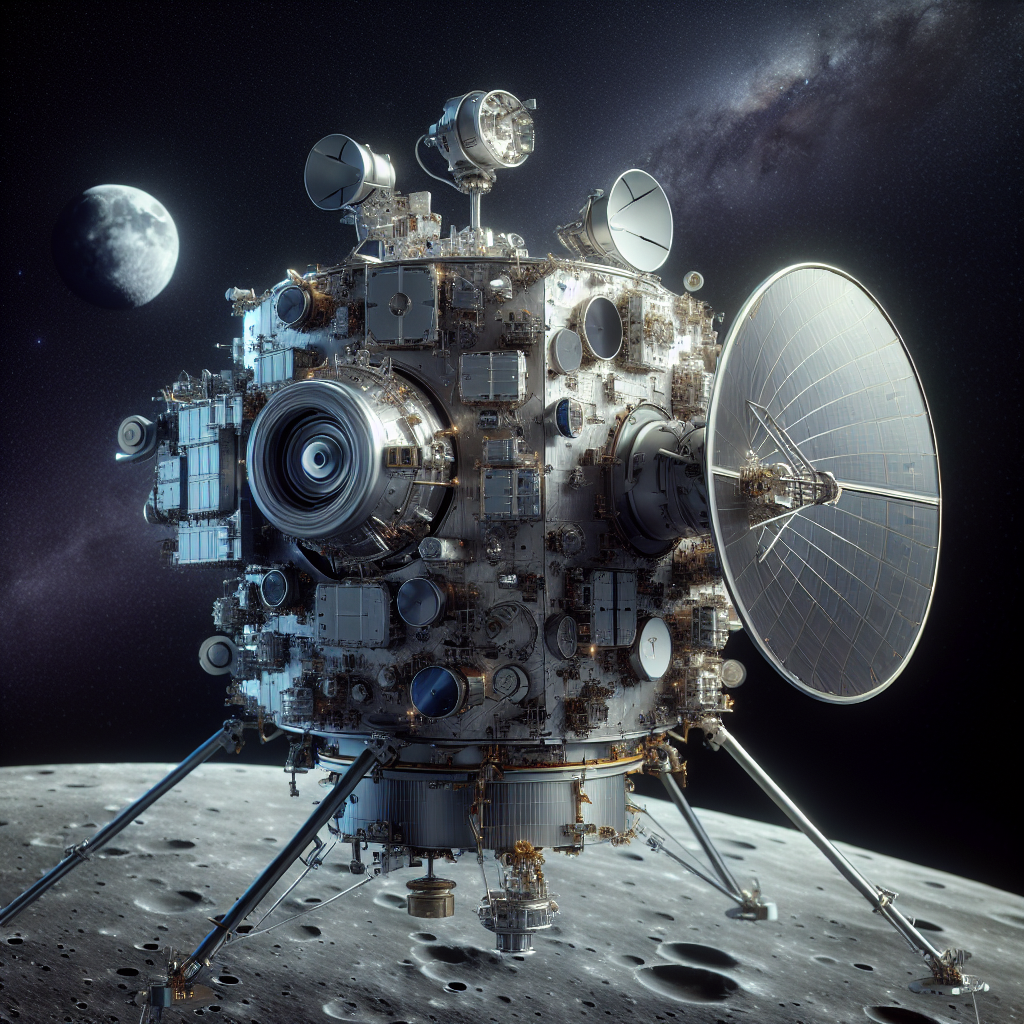
China's Chang'e 6 probe has made history by returning with rock and soil samples from the moon's far side. Landing in Inner Mongolia, it brings back 2.5 million-year-old volcanic rock, aiming to answer critical questions about the moon's geological differences. This marks the first sample collection from the far side.
- Country:
- China
China's Chang'e 6 probe has made a historic landfall on Earth, returning on Tuesday with groundbreaking rock and soil samples from the moon's far side, a global first.
The probe successfully landed in the Inner Mongolian region, capturing the attention of the scientific community worldwide.
Scientists are optimistic that the retrieved samples, dated to be 2.5 million years old, will uncover the mysteries of the moon's geological discrepancies between its near and far sides. This mission contrasts sharply with past U.S. and Soviet endeavors that focused solely on the moon's near side, visible from Earth.
The Chang'e 6 embarked on its mission on May 3, and after a 53-day journey, it drilled into the moon's core and collected surface rocks.
According to Zongyu Yue from the Chinese Academy of Sciences, these samples are expected to illuminate the geologic activities responsible for the moon's varying landscapes. China has previously succeeded with the Chang'e 5 mission on the near side and continues to lead lunar exploration efforts.
The scientific community is eagerly awaiting the analysis that could also shed light on ancient meteorite impacts on the moon.
ALSO READ
-
WTO Sets Up Panel on EU Carbon Border Rules as Russia Challenges Restrictions
-
WHO Brings Global Experts Together to Strengthen Herbal Medicine Quality and Safety
-
Human Cost of Faster Work: Chinese Employees Weigh AI’s Promise Against Pay Fears
-
China's August Disasters Yield $5.38 Billion in Losses
-
China Strengthens Military Surveillance in Djibouti


 Google News