

Cambodia’s Climate Crisis: Health Systems Under Siege
Cambodia faces severe climate-related health risks due to rising temperatures and variable rainfall patterns. The "Cambodia - Climate and Health Vulnerability Assessment" report by the World Bank outlines significant threats to food security, disease control, and public health infrastructure. The report offers crucial recommendations to enhance the resilience of Cambodia's health system, emphasizing the need for coordinated efforts across various sectors.
 CoE-EDP, VisionRI
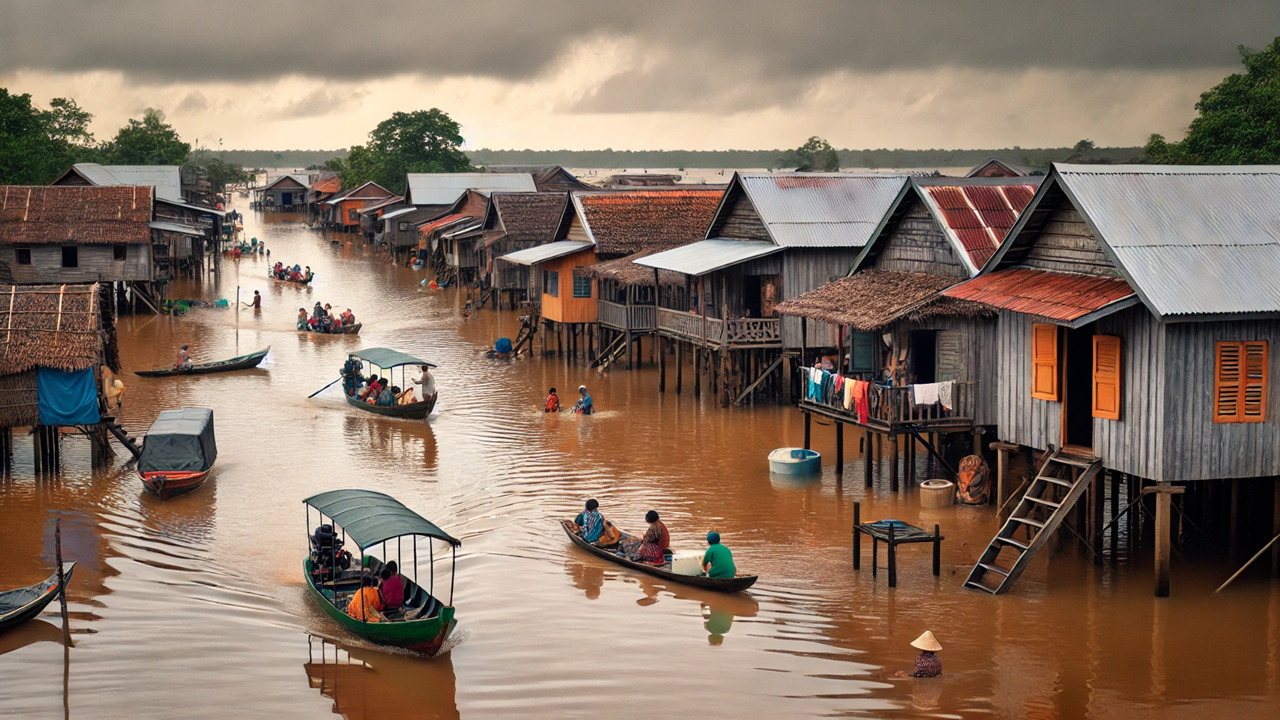
In a world increasingly threatened by climate change, Cambodia stands out as one of the most vulnerable countries. According to the "Cambodia - Climate and Health Vulnerability Assessment" report by the World Bank, the nation faces an array of climate-related hazards that significantly impact public health. These hazards, including extreme weather events and temperature increases, exacerbate existing vulnerabilities and inequalities within Cambodia's health system. This article delves into the report's findings and explores the recommended adaptation measures to safeguard the health of Cambodians.
Rising Temperatures and Shifting Rainfall Patterns
Cambodia's climate is characterized by its tropical humid nature, experiencing significant seasonal variations. Over recent decades, the country has witnessed a rise in mean temperatures and a slight decline in annual precipitation. These changes are not just numbers on a chart but translate into real-life consequences. Increased temperatures and more variable rainfall patterns heighten the risks of floods, landslides, and extreme heat events, creating a precarious situation for agricultural productivity and food security.
The report highlights that the mean temperatures in Cambodia are projected to rise by 1.0°–1.2°C by the 2050s, with April being the hottest month and January the coolest. Precipitation patterns are expected to become more erratic, leading to longer dry spells and more intense rainfall events. Such shifts will inevitably affect the livelihoods of many Cambodians, particularly those reliant on agriculture.
Health Risks from Climate Change
The vulnerability assessment identifies six primary categories of climate-related health risks. First, nutrition and food safety are major concerns as climate change affects agricultural productivity, compromising food security and nutrition, especially for vulnerable rural populations. Second, vector-borne diseases like malaria and dengue are climate-sensitive, with rising temperatures and changing precipitation patterns potentially reversing progress in controlling these diseases. Third, waterborne diseases such as diarrheal illnesses are likely to increase due to floods and landslides disrupting water, sanitation, and hygiene (WASH) infrastructure. Fourth, heat-related morbidity and mortality are projected to rise with more frequent and intense heat waves, posing significant health risks for children, the elderly, and those with pre-existing conditions. Fifth, air pollution risks are exacerbated by climate change, contributing to respiratory and cardiovascular diseases. Lastly, mental health and well-being are affected by climate change-related stressors, which can exacerbate existing mental health challenges.
Strengthening Cambodia's Health System
The report assesses Cambodia's health system's capacity to adapt to climate change using the World Health Organization's six health system building blocks. It finds that while there have been substantial investments and policy integrations, significant gaps remain. In terms of leadership and governance, national policies recognize the health impacts of climate change, but implementation at the subnational level is inconsistent. Health service delivery has seen improvements, yet assessments of climate resilience are limited. The health workforce requires better coordination and capacity-building to address climate-related health risks effectively. Existing health information systems need improved coordination and data sharing. Essential medical products and technologies face challenges, including limited laboratory capabilities and supply chain issues. Health financing mechanisms like health equity funds need to better cover vulnerable populations.
Recommendations for a Resilient Future
To enhance Cambodia's health system resilience, the report offers several recommendations. First, it suggests expanding mobile health applications to integrate climate-sensitive disease reporting. Second, increasing climate adaptation funding by incorporating a health sector climate adaptation line into the national budget, focusing on risk-pooling mechanisms for vulnerable populations, is crucial. Third, conducting infrastructure assessments to identify and invest in key facilities will ensure resilience to climate-related hazards. Fourth, developing and enforcing building codes that include adaptation and mitigation standards for health infrastructure is essential. Fifth, developing tailored capacity-building modules for healthcare workers and health center administrators for regional climate hazards is necessary. Lastly, integrating multi-stakeholder coordination by engaging NGOs, research institutes, and private sector providers in climate-related health planning and coordination will enhance overall resilience.
The "Cambodia - Climate and Health Vulnerability Assessment" underscores the urgent need for both mitigation and adaptation strategies to address the complex challenges posed by climate change. By implementing the recommended measures, Cambodia can build a more resilient health system capable of protecting its population from the escalating impacts of climate change.
- FIRST PUBLISHED IN:
- Devdiscourse
ALSO READ
-
Mozambique Shapes New Climate Strategy to Protect Communities From Extreme Weather
-
Climate Change Is Deepening the Crisis for Millions Living Without a Nationality Today
-
Tunisia’s Water Crisis Puts Jobs and Growth at Risk as Economic Recovery Loses Speed
-
Climate Data Gaps Leave Communities Searching for Clear Answers to Growing Local Risks
-
Marshall Islands Rights Defenders Seek Justice Across Generations, UN Expert Says


 Google News