

Tracking the Dazzling Aurora: A Guide for Enthusiasts
Auroras, produced by charged particles from the Sun interacting with Earth's atmosphere, have captivated many. Recent strong geomagnetic storms have made these natural light displays visible beyond the poles. Aurora enthusiasts in places like Australia and New Zealand can keep updated through alerts from the Bureau of Meteorology and NOAA’s 30-minute forecasts.
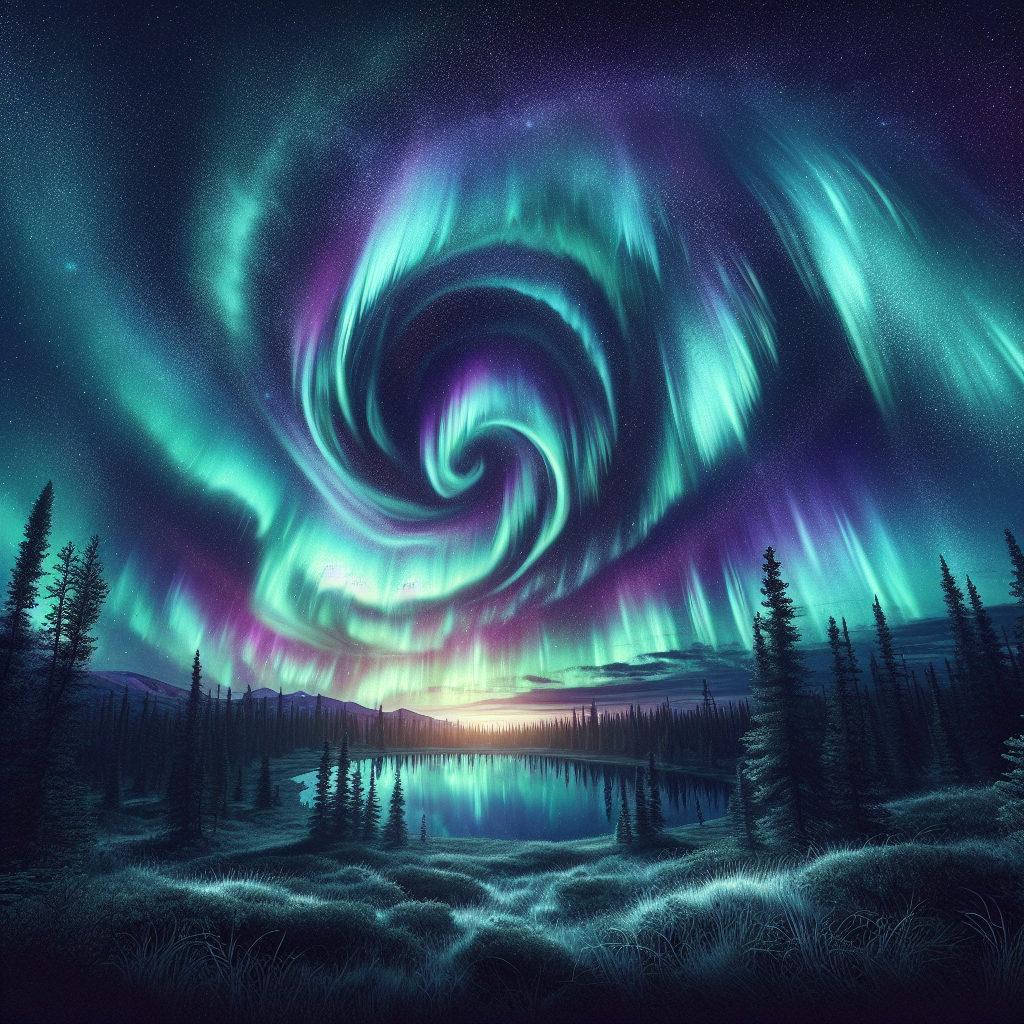
Newcastle Newcastle, Aug 3 (The Conversation) – Few sights in the night sky are as awe-inspiring as the aurora. These vibrant, dancing lights, usually seen near the poles, are caused by charged particles from the Sun entering Earth's atmosphere, leading to so-called geomagnetic storms.
Earlier in 2024, a particularly strong geomagnetic storm treated the world to a spectacular display of the aurora borealis (northern hemisphere) and aurora australis (southern hemisphere). This rare event reignited public interest, leading to more frequent media headlines promising auroral displays.
The Sun is currently in an active phase, increasing the chances of auroras. Forecasting these events, however, remains complex. The Bureau of Meteorology has issued an 'aurora watch,' providing forecasts and alerts to enthusiasts in Australia and New Zealand. Understanding the “K index,” which measures Earth's magnetic field disturbances, is key to predicting auroras. Monitoring solar wind parameters, like speed and magnetic field direction, further helps estimate when and where auroras will be visible. For now, tracking live aurora updates on social media and official websites provides the best chance of witnessing this celestial spectacle.


 Google News