

UNICEF Report: One in Five Children Facing Doubling of Extreme Heat Days Since 1960s
The impacts of climate-related hazards on child health are compounded by their effects on food and water security, infrastructure, and access to education.
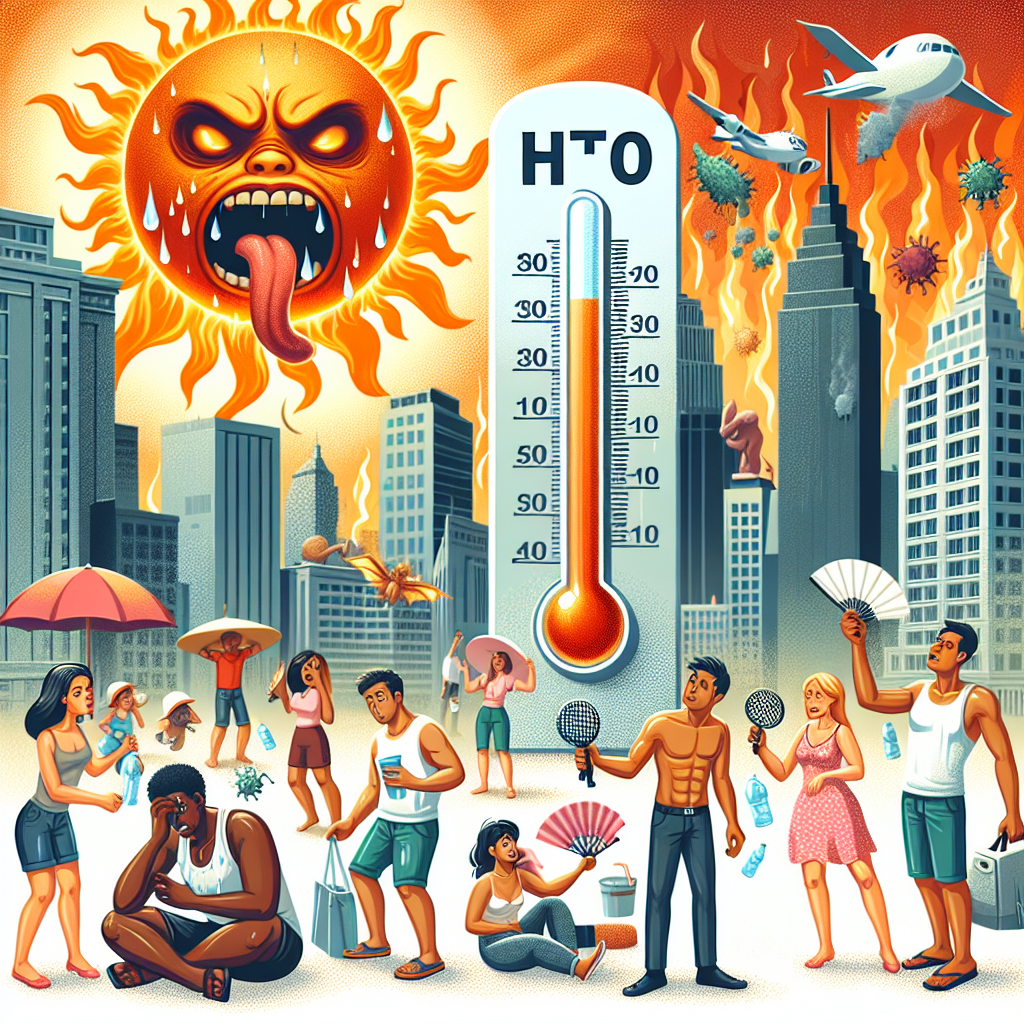
A new analysis from UNICEF reveals a dramatic increase in extreme heat exposure for children worldwide. According to the report, approximately 466 million children—one in five—are now living in areas experiencing at least double the number of extremely hot days compared to the 1960s. These hot days, defined as those exceeding 35°C (95°F), are becoming a regular occurrence for nearly half a billion children, many of whom lack the infrastructure and services to cope with such conditions.
UNICEF Executive Director Catherine Russell highlighted the alarming trend, stating, "The hottest summer days now seem normal. Extreme heat is increasing, disrupting children's health, well-being, and daily routines." The analysis reveals that children in 16 countries are now experiencing over a month more of extreme heat annually compared to six decades ago. For instance, in South Sudan, children face an average of 165 extremely hot days per year today, up from 110 in the 1960s. Similarly, in Paraguay, the number has surged from 36 to 71 days.
The report finds that West and Central Africa are among the hardest hit regions, with 123 million children—39% of the child population—experiencing over a third of the year in temperatures above 35°C. Mali, Niger, Senegal, and Sudan report some of the highest numbers, with children experiencing up to 212, 202, 198, and 195 extremely hot days respectively. Latin America and the Caribbean are also heavily impacted, with nearly 48 million children living in areas with twice the number of extreme heat days.
Extreme heat poses severe health risks, particularly to children and pregnant women. It has been linked to adverse birth outcomes, such as stillbirth and low birth weight, and exacerbates conditions like child malnutrition and heat-related illnesses. Moreover, prolonged exposure to extreme heat can impair neurodevelopment and mental health, and increases vulnerability to diseases like malaria and dengue.
The report highlights that children are not only experiencing more frequent extreme heat days but also more severe and prolonged heatwaves. In over 100 countries, more than half of children are facing twice as many heatwaves today compared to 60 years ago. In the United States, 36 million children are exposed to double the number of heatwaves, and 5.7 million are facing three times as many.
The impacts of climate-related hazards on child health are compounded by their effects on food and water security, infrastructure, and access to education. UNICEF calls for urgent and ambitious climate action as Member State Parties to the Paris Agreement prepare to submit new national climate plans (NDC 3.0). The organization urges leaders, governments, and the private sector to:
Reduce Emissions: Fulfill international climate agreements to control rising temperatures.
Protect Children's Well-being: Adapt essential services, such as health and education, to better handle extreme heat and climate-related challenges.
Empower Children: Equip them with opportunities, education, and skills to advocate for the environment.
Russell emphasized the critical need for immediate action, stating, "Children are not little adults. Their bodies are more vulnerable to extreme heat, heating up faster and cooling down more slowly. Rising temperatures are especially alarming for children."
As governments draft their climate action plans, there is a pivotal opportunity to address these pressing issues and ensure a sustainable future for children.
ALSO READ
-
Lebanon’s Children Cannot Lose More of Their Childhood, UNICEF Chief Urges Action
-
Sudan Shelter Drone Strike Reportedly Kills a Boy and Injures 12 Children
-
Syria’s Returning Children Need Schools, Care and Safe Water to Rebuild Lives
-
Lebanon’s Children Face Hunger, Lost Schooling and Work as Families Reach the Brink
-
UNICEF Praises Jordan’s Progress for Children as Funding Cuts Threaten Vital Services


 Google News