

Charting Elephant Migration: A Journey Through Genetic Diversity
A genetic study has traced the migration and genetic history of elephants in India, revealing bottlenecks that diluted genetic diversity. Insights from the study, conducted by researchers in Bengaluru, can help shape conservation strategies for the endangered Asian elephant, which has faced significant historical exploitation.
- Country:
- India
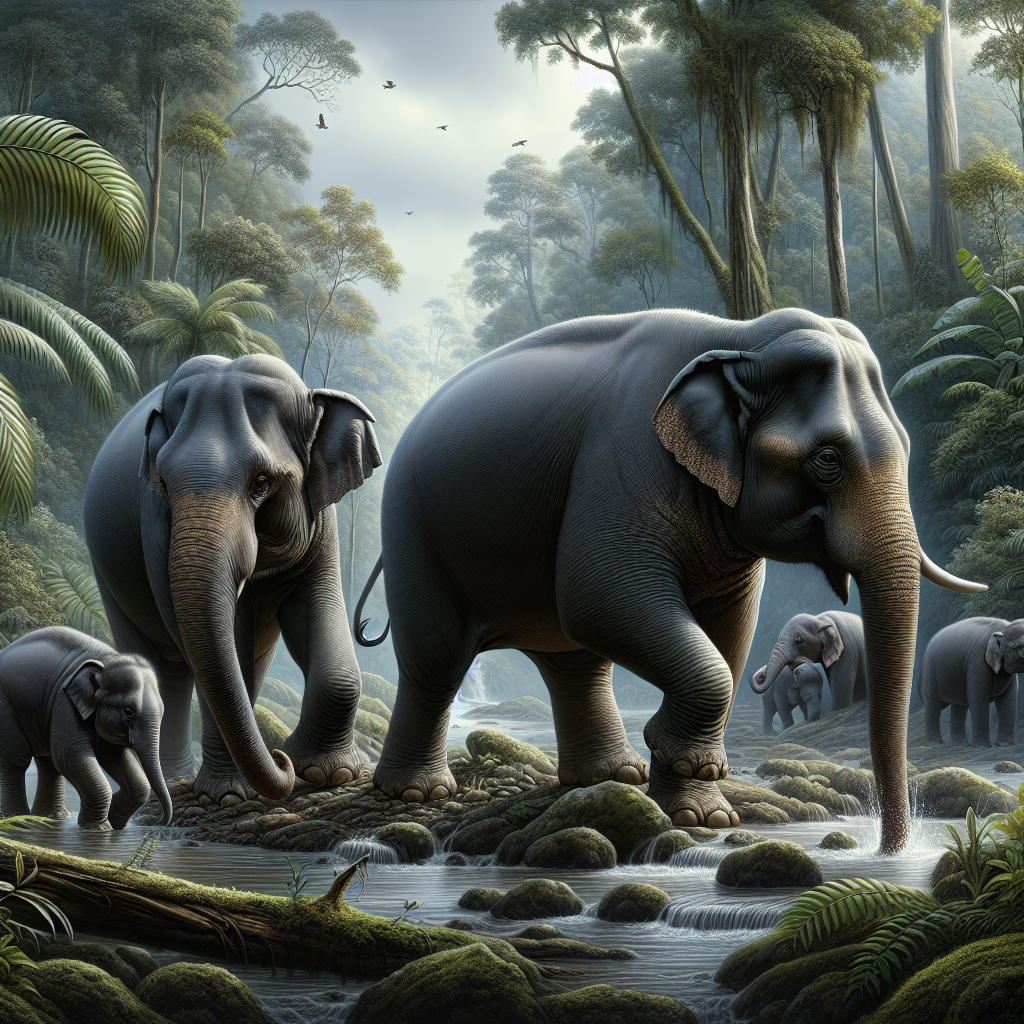
A groundbreaking genetic study has mapped the migration history of India's elephants, revealing crucial bottlenecks that threatened their genetic diversity and existence.
According to researchers from the National Centre for Biological Sciences and the Indian Institute of Science in Bengaluru, genetic diversity is vital for resilience to disease and long-term survival, including environmental adaptability.
The study analyzed 34 genome sequences from wild elephants across India, identifying five distinct populations. Notably, northern breeds exhibited higher diversity and lower inbreeding compared to southern breeds, which have experienced historical exploitation and natural barriers affecting their evolution and genetic spread.
ALSO READ
-
Cleaner Kitchens, Polluted Skies: Hidden Health Cost of India’s Electricity Boom
-
Japan-Backed ILO Projects Help 23,000 Workers Gain Rights and Fight Child Labour
-
India's Delicate Balancing Act: Navigating Energy Security Amid Middle Eastern Tensions
-
India Gears Up for Glory: Asian Games 2026 Preview
-
India Defends Energy Policy Amidst Rising Tariff Threats from U.S.


 Google News