

Rising Temperatures Threaten Japan's Rice Harvest
In Japan's Okayama prefecture, rice farmers face challenges due to climate change as sweltering temperatures impact rice yield and quality. Last year's intense heatwave reduced water content in rice, affecting its size and texture. Government efforts focus on developing heat-resistant rice strains like Sai no Kizuna to combat this issue.
- Country:
- Japan
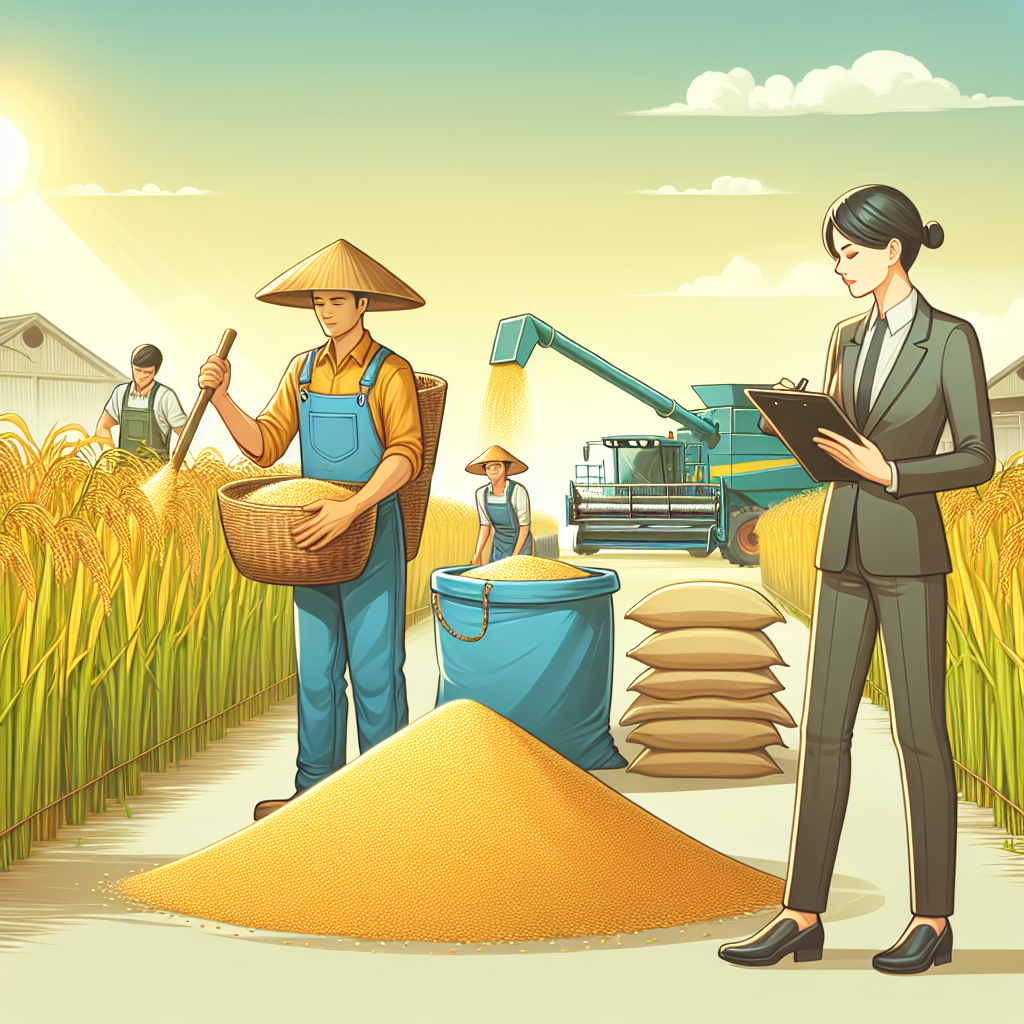
In the heart of Japan's Okayama prefecture, rice farming faces unprecedented challenges as sweltering heat prompts farmers to start harvests earlier. Known for its favorable climate, the region is now witnessing the adverse effects of climate change on its staple rice crop.
Rice farmer Joji Terasaka expresses concern as recent conditions mirror last year's severe heatwave that left rice small and thin. Japan's July temperatures hit record highs, raising fears of climate consequences such as intense heat, powerful storms, and ice melt.
A nationwide poor rice harvest last year led to a summer rice shortage, prompting purchase limits. To address these issues, the government is promoting heat-resistant rice variants like Sai no Kizuna, developed to withstand rising temperatures and maintain quality, yet convincing older farmers to adopt new strains remains a challenge.
ALSO READ
-
Mozambique Shapes New Climate Strategy to Protect Communities From Extreme Weather
-
Climate Change Is Deepening the Crisis for Millions Living Without a Nationality Today
-
Tunisia’s Water Crisis Puts Jobs and Growth at Risk as Economic Recovery Loses Speed
-
Japan-Backed ILO Projects Help 23,000 Workers Gain Rights and Fight Child Labour
-
Climate Data Gaps Leave Communities Searching for Clear Answers to Growing Local Risks


 Google News