

Bidding Farewell to Gaia: The Telescope That Recharted the Stars
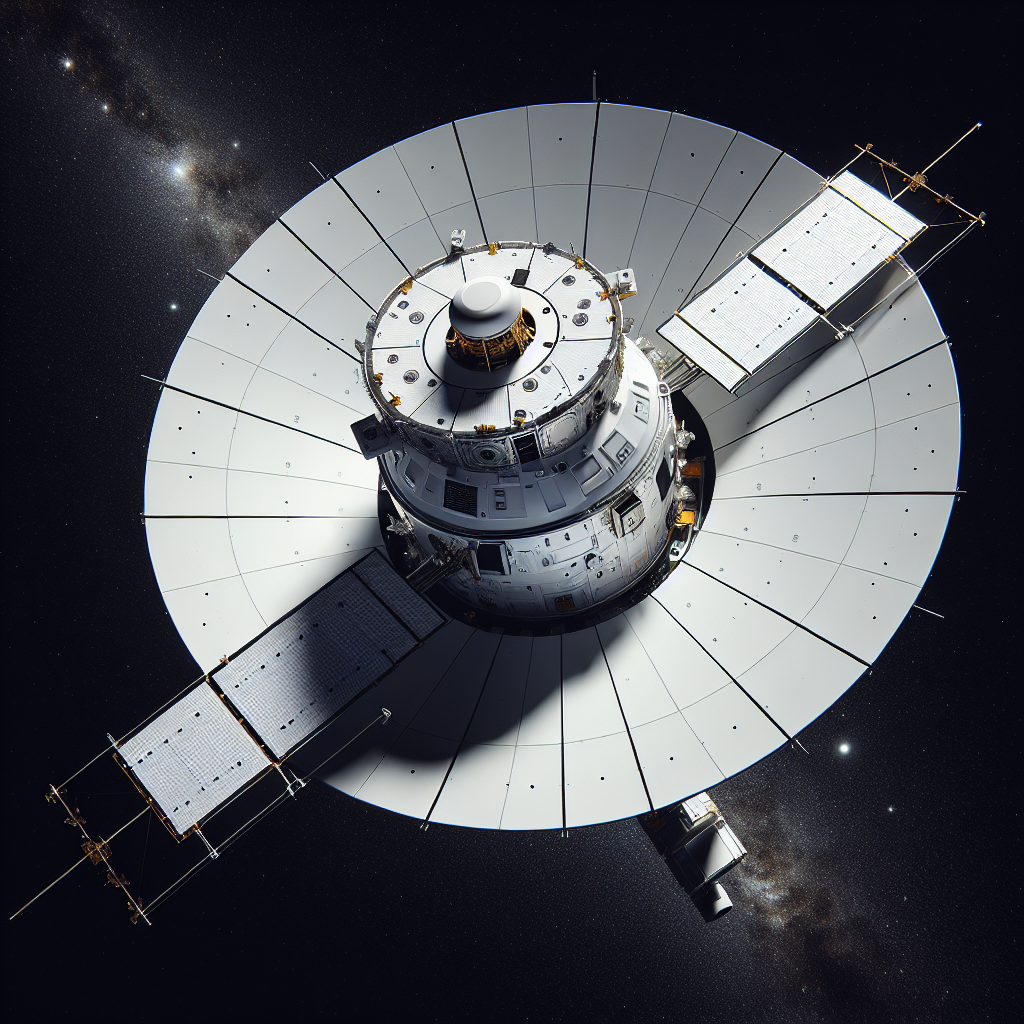
The European Space Agency has retired its groundbreaking Gaia Spacecraft due to the depletion of its cold gas propellant. Over its 11-year mission, Gaia revolutionized our understanding of the Milky Way with its precise mapping of billions of stars. Although its mission has ended, Gaia's contributions to astronomy will endure.
- Country:
- Australia
The European Space Agency (ESA) has officially bid farewell to the Gaia Spacecraft, marking the end of a mission that changed the landscape of astronomical research. Launched over a decade ago, Gaia's primary mission was to map the Milky Way in unprecedented detail.
Gaia's mission ended due to the exhaustion of its cold gas propellant, which was crucial for maintaining its scanning capabilities. Despite this, the data gathered during its operations continues to influence astronomical studies, with thousands of related articles published to date.
While Gaia has now been retired, it has left a legacy that will persist as researchers continue to mine its data for insights into the galaxy. Future data releases promise even more revelations, ensuring Gaia's place as ESA's most successful mission to date.


 Google News