

Soviet Spacecraft's Uncontrolled Earth Reentry: What to Expect
A Soviet-era spacecraft, Kosmos 482, initially intended for Venus, is set to reenter Earth's atmosphere unpredictably. Experts anticipate minimal risk to human safety, likening it to a meteorite fall. The spacecraft, after 53 years, may survive reentry due to its design for Venus's harsh atmosphere.
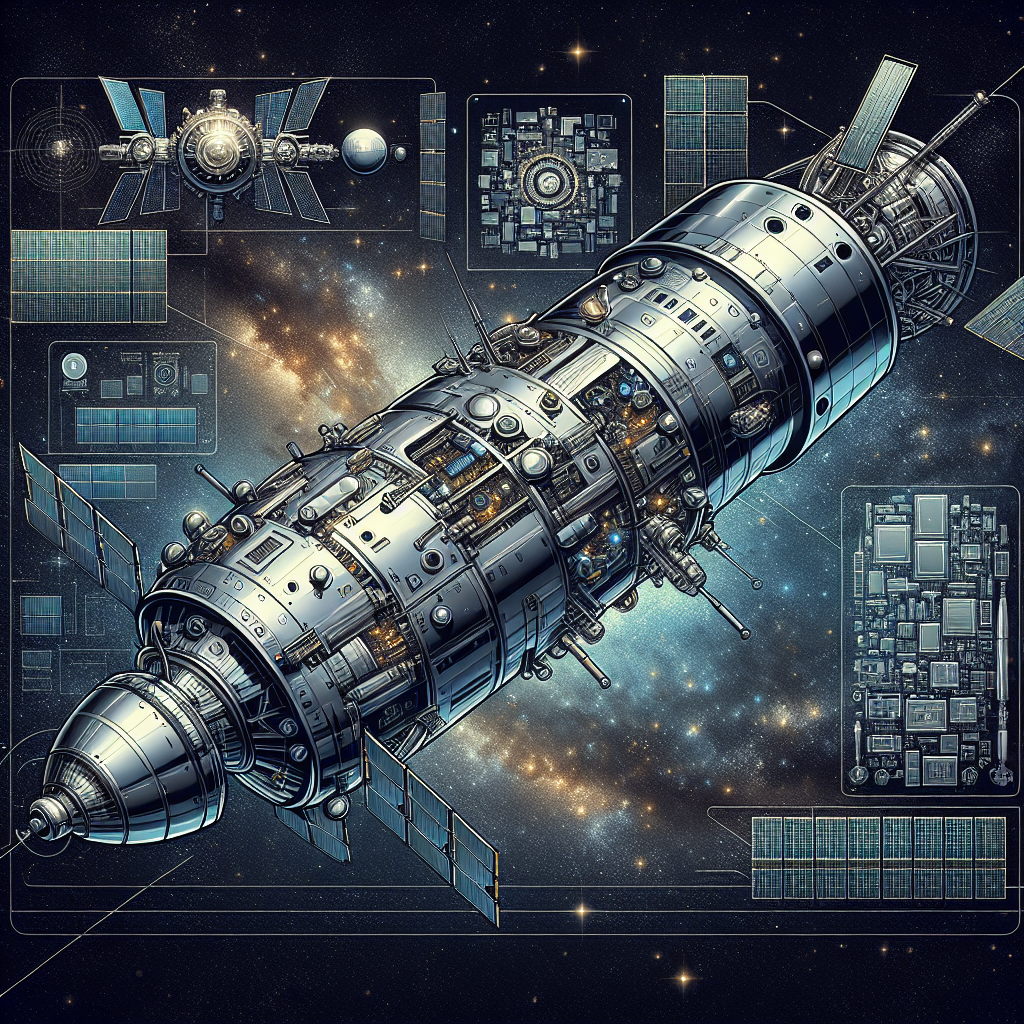
A Soviet-era spacecraft, slated to land on Venus in the 1970s, is anticipated to make an uncontrolled descent back to Earth in early May. Space debris experts have yet to determine the reentry path or debris survival rate of the half-ton metal mass.
Marco Langbroek, a Dutch scientist, predicts reentry around May 10, estimating speeds nearing 242 kph. While not entirely risk-free, Langbroek compares potential impact risk to that of a random meteorite fall, noting greater lifetime lightning strike odds.
The Kosmos 482, launched by the Soviet Union in 1972, failed to reach Venus due to a rocket glitch, resulting in prolonged Earth-orbit. Despite doubts about the parachute and heat shield integrity after five decades, there's potential for the spacecraft to reenter intact, positing an ocean landing scenario given Earth's water predominance.


 Google News