

Bhopal's Toxic Legacy Finally Incinerated: A Landmark Disposal
The 337 tonnes of toxic waste from Bhopal's Union Carbide factory have been incinerated at a disposal plant in Pithampur, marking the end of a tragic chapter in industrial history. This follows a high court directive and ensures emissions are within safe limits, with all residue securely stored and managed.
- Country:
- India
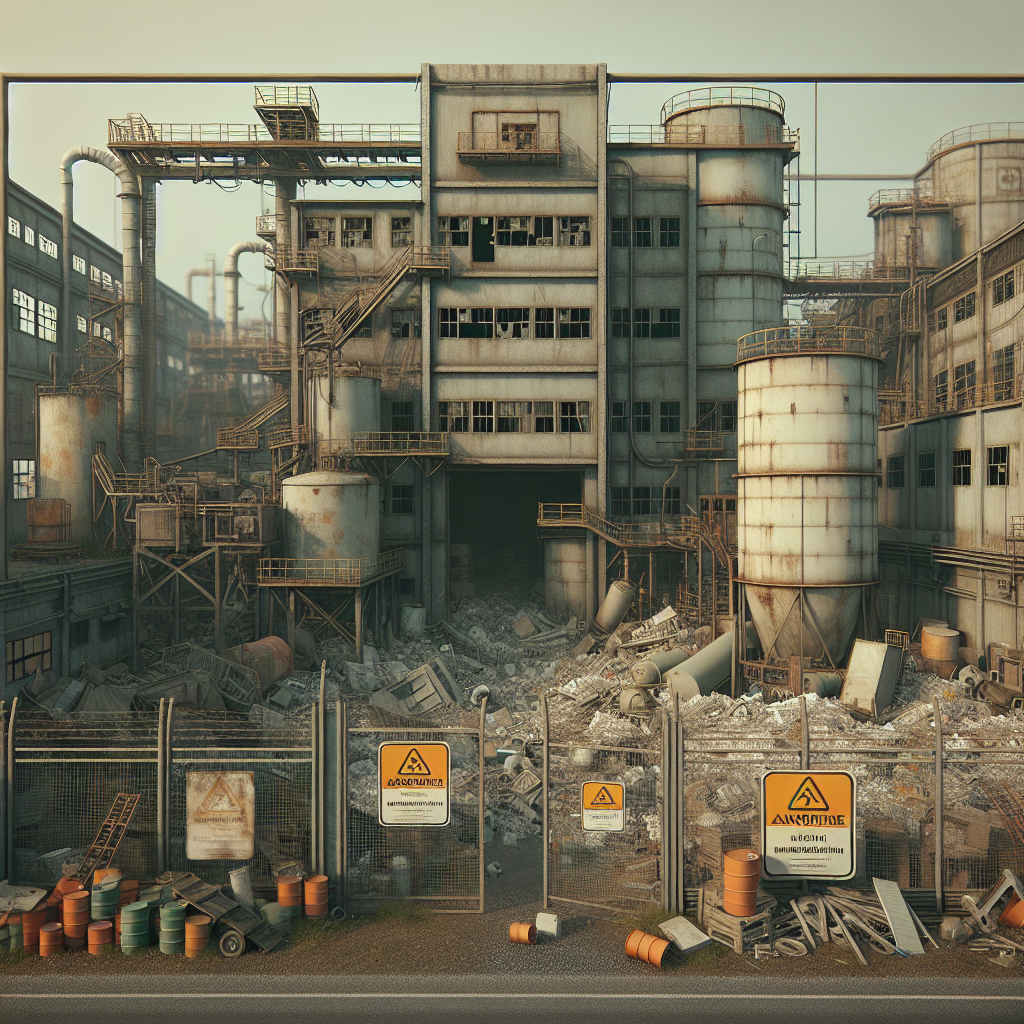
In a significant development, the entire 337 tonnes of toxic waste from the now-defunct Union Carbide factory in Bhopal has been incinerated at a disposal facility in Pithampur. This follows six months of careful processing and marks a final closure to the environmental aftermath of the 1984 Bhopal gas tragedy.
The process, completed between May 5 and June 30 under court directives, represents a thorough and monitored endeavor, ensuring emissions stayed within safe standards. With technical oversight, the waste was burned at a rate of up to 270 kg per hour.
The State Pollution Control Board confirms that no adverse health effects were recorded in the surrounding areas. Residual ash is securely stored and scientifically treated, with plans for comprehensive disposal by year-end to ensure environmental safety.


 Google News