

Unlocking the Evolutionary Secrets of Human Bipedalism
Researchers have identified two pivotal genetic shifts in human evolution that reshaped the pelvis, facilitating bipedal locomotion. By studying embryonic tissues, scientists revealed innovations critical for upright walking and accommodating increased brain size, distinguishing humans from other primates and underpinning humanity's success across the globe.
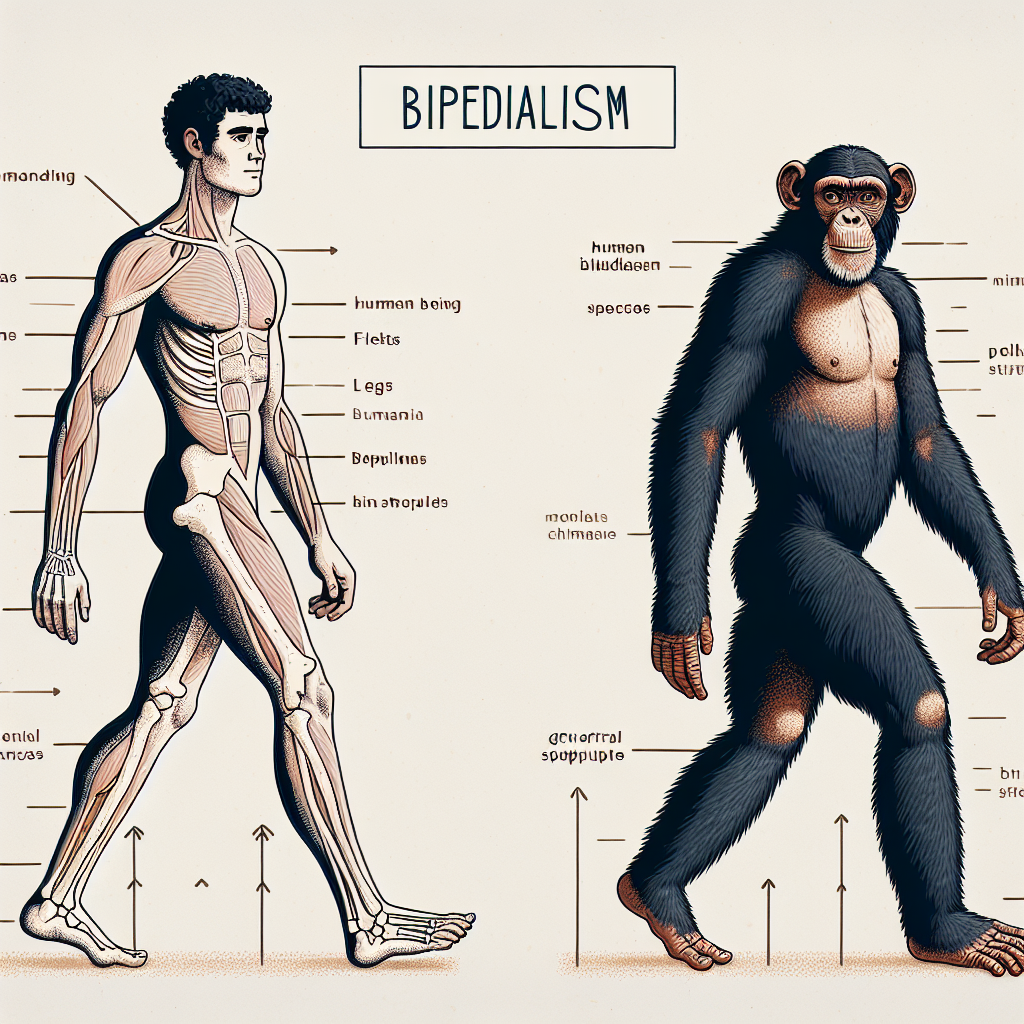
Scientific research has unveiled two key genetic changes that occurred in the human evolutionary journey, crucially shaping the pelvis to support bipedalism. These findings explain how humanity's distinctive upright gait enabled global spread and numerous advances.
The research, spearheaded by experts at Harvard, focused on stored embryonic tissue samples from humans and other primates, unveiling two evolutionary innovations that distinguish human mobility. The first transformed pelvic cartilage during embryonic development, enabling a wide and curved ilium, crucial for bipedal stability.
Equally vital, the second shift delayed pelvic bone ossification, accommodating larger brain sizes and childbirth challenges. These adaptations have been pivotal, allowing humans to free hands for other tasks, observe their surroundings from an upright position, and evolve unique bipedal efficiency compared to primates that exert more energy when walking on two legs.


 Google News