

Supreme Court Committee Urges Ban on Conocarpus for Ecological Health
The Central Empowered Committee advises a ban on Conocarpus, a widely planted species in India, due to its environmental and health risks. The committee highlights its threats to biodiversity, groundwater, and infrastructure, citing it as an invasive species. Efforts are urged for planting native trees instead to mitigate risks.
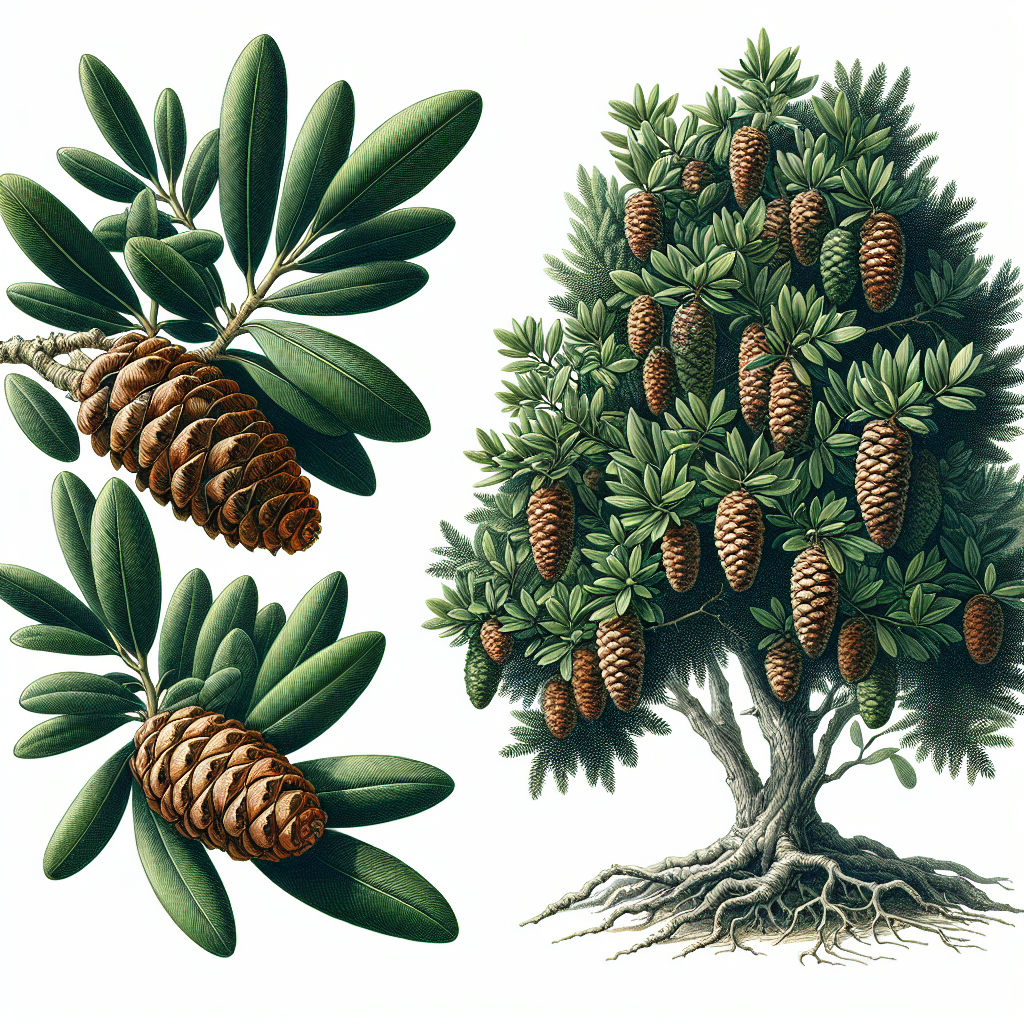
- Country:
- India
The Supreme Court-mandated Central Empowered Committee (CEC) has called for a ban on Conocarpus, a fast-growing exotic tree species, due to its adverse ecological and public health impacts. While initially planted for rapid urban greening, Conocarpus is now recognized for its destructive effects on biodiversity and infrastructure.
In a comprehensive report presented to the Supreme Court, the CEC described Conocarpus as ecologically unsuitable, likening it to a 'green desert' with little to no nectar value for local fauna. Its aggressive roots and rapid proliferation pose significant threats to native ecosystems, groundwater levels, and physical infrastructure.
States like Gujarat and Tamil Nadu have already imposed restrictions on Conocarpus planting, and the report urges national intervention to categorize the species as invasive. The CEC stresses the need for a coordinated approach to eliminate existing plantations and advocate for native trees that support biodiversity.


 Google News