

Unlocking the Potential: Nobel Prize Honors MOF Innovators
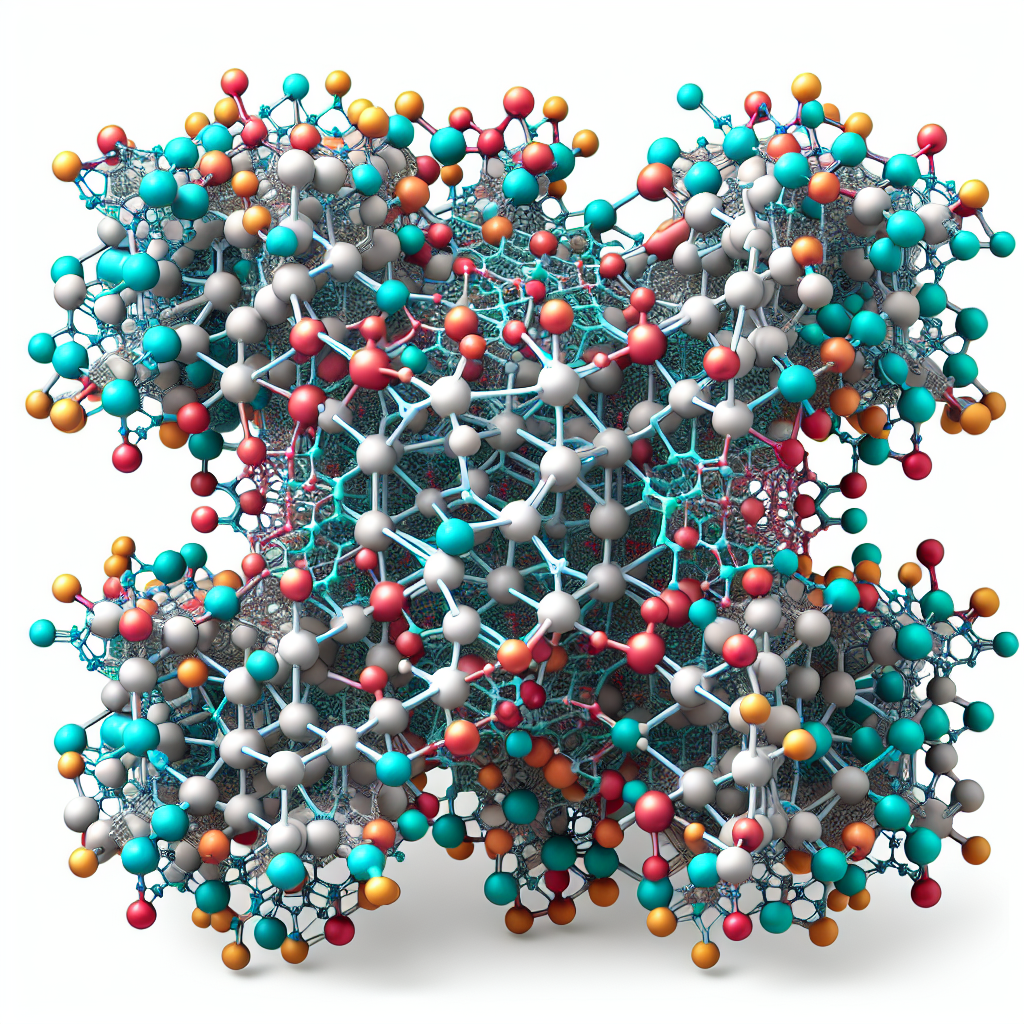
The 2025 Nobel Prize in Chemistry honors the development of metal–organic frameworks (MOFs), with laureates including Susumu Kitagawa, Omar M Yaghi, and Richard Robson. These structures, key in capturing gases and chemicals, highlight the lasting impact of scientific research that begins with curiosity-driven exploration.
- Country:
- Australia
In a landmark achievement, the 2025 Nobel Prize in Chemistry has been awarded to three pioneering researchers for their groundbreaking work on metal–organic frameworks (MOFs). This molecular structure innovation has significant implications, notably in environmentally transformative applications.
Richard Robson of the University of Melbourne stands among the honorees, sharing the accolade with Susumu Kitagawa and Omar M Yaghi. Robson, alongside collaborator Bernard Hoskins, first discovered MOFs in 1989, adhering rigid organic ligands with metal ions to create porous crystalline materials. Their work unlocks potential solutions to global issues like greenhouse gas capture and medical imaging.
Despite the seemingly esoteric nature of fundamental science, Robson's journey underscores the profound, lasting impacts such research can have. As Australia debates higher education's value, Robson's Nobel recognition reiterates the importance of supporting curiosity-driven endeavors with broad, far-reaching benefits.


 Google News