

COP30 Climate Talks: A Compromise Amidst High Hopes and Discontent
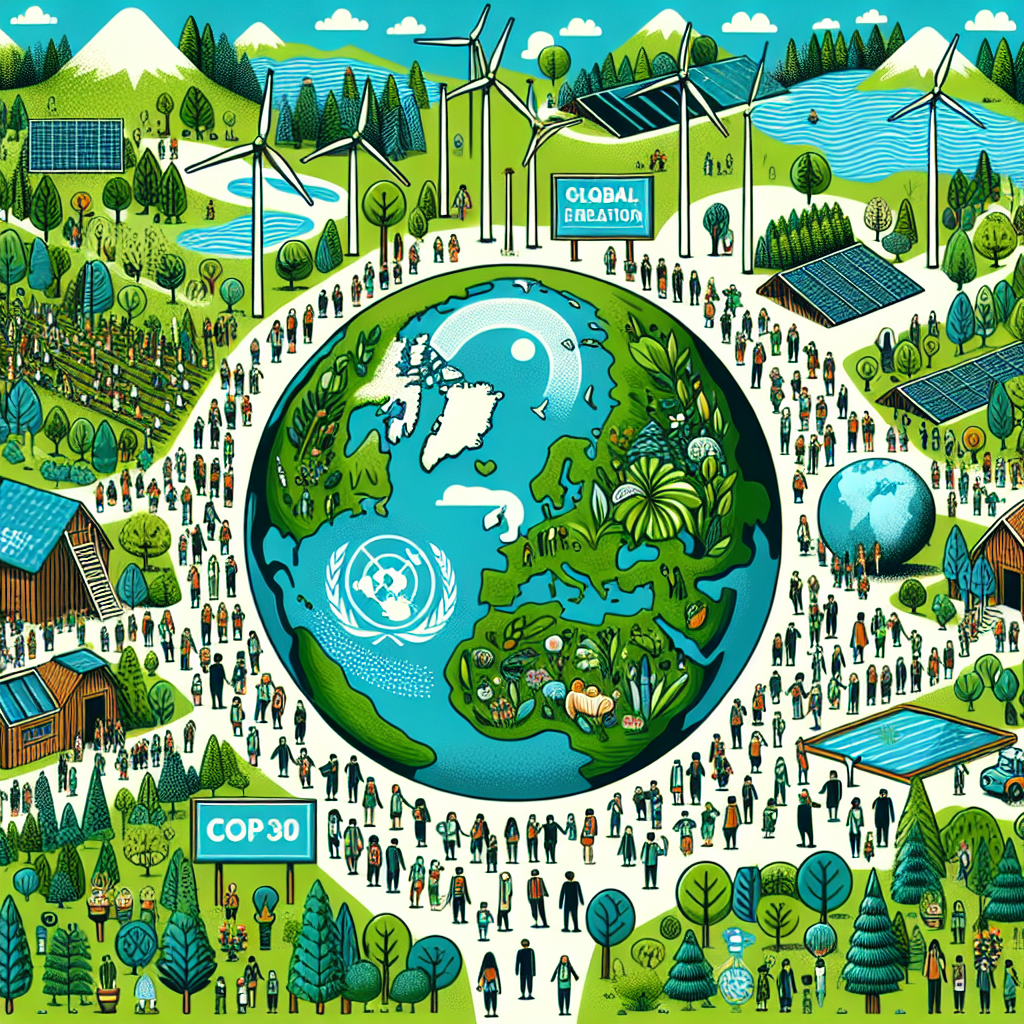
The COP30 climate conference ended in a divisive compromise, pledging increased financial support for vulnerable countries but lacking a fossil fuel phase-out plan. Brazil committed to its own roadmap, while reactions varied from satisfaction to disillusionment. Indigenous voices and civil society maintained pressure, highlighting ongoing challenges in global climate cooperation.
- Country:
- Brazil
The COP30 climate summit concluded with mixed results after two weeks of intense negotiations in Brazil. Nations pledged to increase financial aid for vulnerable countries affected by climate change, yet the final agreement failed to include a comprehensive plan to phase out fossil fuels, leaving many participants disappointed.
Brazilian COP President Andre Correa do Lago announced that Brazil would create its own roadmap to move away from fossil fuels, though this initiative did not gain unanimous support. Instead, a smaller group agreed to further discussions next year. The agreement also included commitments to improve energy grids and promote biofuels, with varied responses from delegates.
The Amazon setting provided a stark backdrop, emphasizing the urgency of bold climate action. Indigenous groups, civil society, and youth activists played significant roles, though they expressed the need for greater representation. The omission of a firm fossil fuel strategy highlighted ongoing challenges in achieving global consensus and effective climate action.


 Google News