

NZ Launches New Strategy to Tackle Invasive Caulerpa Threat to Coastlines
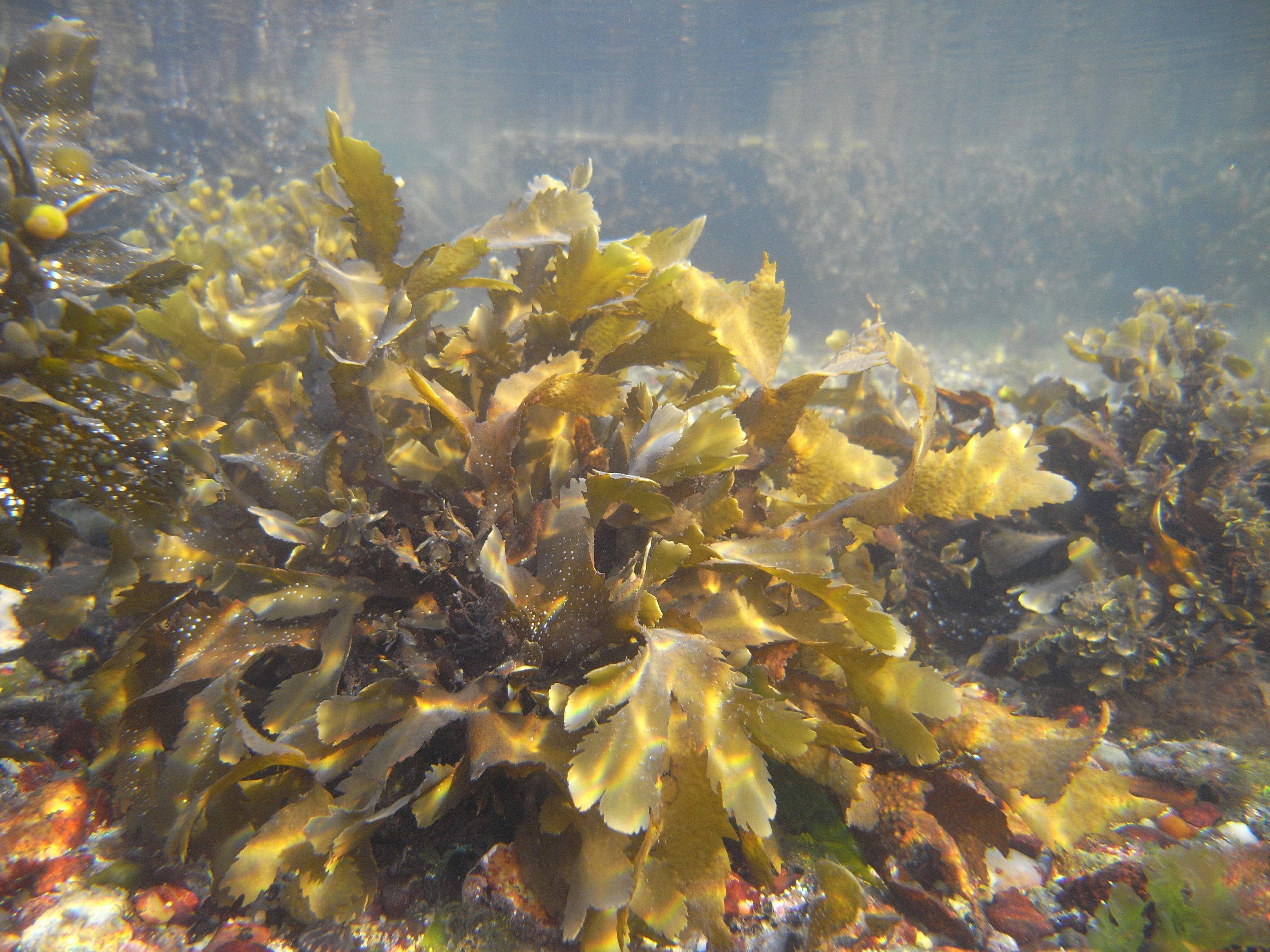
Exotic Caulerpa, a hardy seaweed capable of spreading rapidly across seabeds, can smother native species, disrupt fisheries, and permanently alter marine habitats.
- Country:
- New Zealand
New Zealand has unveiled a comprehensive new strategy to combat the fast‑spreading and highly invasive exotic Caulerpa seaweed, a marine pest that poses a growing threat to the country's coastal ecosystems. Biosecurity Minister Andrew Hoggard says the new approach focuses on five core pillars—prevention, detection, removal, research, and national coordination—to protect marine biodiversity and safeguard coastal communities.
A Serious Threat to New Zealand's Marine Environment
Exotic Caulerpa, a hardy seaweed capable of spreading rapidly across seabeds, can smother native species, disrupt fisheries, and permanently alter marine habitats. Its arrival in New Zealand has raised significant concern among scientists, iwi, local authorities, and fishers.
Minister Hoggard says the new national strategy is about acting decisively and collaboratively:
"Caulerpa seaweed is a pest. Getting this right is key to protecting our coastlines."
Strategy Developed With National Collaboration
To develop the plan, the Government worked closely with:
-
Affected iwi and hapū
-
Regional councils
-
Marine scientists and biosecurity researchers
-
Fishing industry representatives
-
Local community groups
A national advisory group helped shape the strategy to ensure that all perspectives—scientific, cultural, environmental, and economic—were integrated into the response.
Major Investment and Early Success
So far, $31.7 million has been allocated to combat exotic Caulerpa, covering:
-
Development of specialised removal tools
-
On‑the‑ground elimination trials
-
Public awareness campaigns
-
Scientific research on spread, resilience, and impacts
This investment is already showing promising results.
Effective New Removal Methods
Innovative techniques trialled across key sites have demonstrated strong potential:
-
Ultraviolet (UV) irradiation has proven effective at killing Caulerpa patches.
-
Chlorine‑enclosure systems, which isolate affected areas and concentrate chlorine to eliminate the weed, have also shown success.
At some sites, these efforts have reduced Caulerpa biomass by up to 90 percent, including:
-
Ōmakiwi Cove in the Bay of Islands
-
Okupe Bay on Aotea / Great Barrier Island
Scientists are now working to understand why these reductions were so significant and whether environmental conditions, removal methods, or natural factors contributed.
The Next Phase: Tools, Trials, and Research
Over the next year, the Government plans to intensify its efforts with a series of coordinated actions, including:
-
Refining removal technologies based on trial results
-
Conducting elimination trials in additional high‑risk sites
-
Expanding research into Caulerpa's ecological impacts and spread pathways
-
Strengthening national coordination between agencies, iwi, and councils
-
Enhancing surveillance to detect new incursions early
This ongoing research will help determine when eradication is possible—and when containment or long‑term management may be required.
Community Buy‑In Essential
Minister Hoggard emphasised that success will depend on nationwide participation, especially from communities in affected coastal regions.
"The support of councils, local communities, and iwi is vital in the response to Caulerpa. It has been a mammoth effort against this challenging pest."
He also praised the dedicated teams working in the field, from divers and scientists to council biosecurity workers and local volunteers.
Protecting New Zealand's Coastlines for the Future
New Zealand's coastlines, regarded among the most pristine and beautiful in the world, are central to the country's identity and economy. The spread of exotic Caulerpa threatens marine life, tourism, and recreational activities such as diving and fishing.
The new strategy signals a long‑term commitment to preserving these environments. As research continues and removal tools improve, authorities hope to stay ahead of the seaweed's spread and prevent irreversible ecological damage.


 Google News