

2026 World Wildlife Day Youth Art Contest Invites Young Creators
The 2026 World Wildlife Day theme, “Medicinal and Aromatic Plants: Conserving Health, Heritage, and Livelihoods,” shines a spotlight on the crucial role these plants play in both ecosystems and human societies.
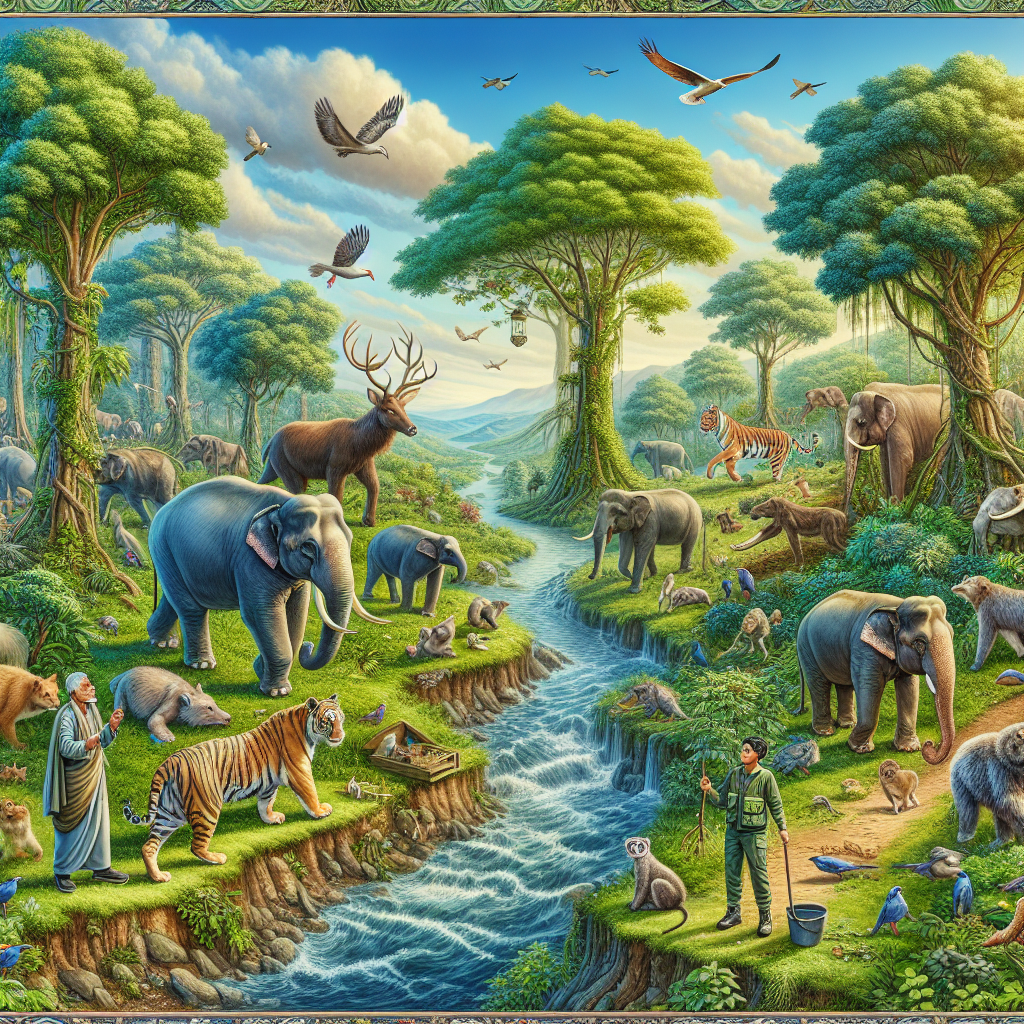
Young artists around the world are once again being called to use their creativity for conservation as the eighth annual United Nations World Wildlife Day (WWD) International Youth Art Contest opens for submissions. This year's competition highlights an essential yet often invisible relationship in nature—the powerful connection between plants and wildlife.
A Theme Rooted in Health, Heritage, and Biodiversity
The 2026 World Wildlife Day theme, "Medicinal and Aromatic Plants: Conserving Health, Heritage, and Livelihoods," shines a spotlight on the crucial role these plants play in both ecosystems and human societies. Celebrated on 3 March 2026, the day recognizes medicinal and aromatic plants (MAPs) as pillars of:
-
Human well-being – forming the backbone of traditional and modern medicine
-
Biodiversity – creating vital habitats and ecological balance
-
Livelihoods – supporting industries from cosmetics and food to agriculture and crafts
Globally, between 50,000 and 70,000 species of MAPs are harvested, with nearly 1,300 listed under CITES protections. Alarmingly, over 20% of these species face extinction threats due to habitat loss, over-harvesting, and illegal trade—making conservation more pressing than ever.
Global Partners Joining Forces
The contest is hosted by the International Fund for Animal Welfare (IFAW) in partnership with the CITES Secretariat and the United Nations Development Programme (UNDP). Together, these organizations aim to inspire youth to visualize how plants, wildlife, and people are interconnected—and how this relationship can be protected.
"Art allows young people to imagine new futures for nature," noted Azzedine Downes, CEO & President of IFAW. He emphasized the importance of featuring plants in this year's artworks: without them, ecosystems—and all life within them—cannot thrive.
CITES Secretary-General Ivonne Higuero echoed this sentiment, reminding the world that young artists already understand the link between biodiversity and human well-being. Their creativity, she said, can reveal solutions for protecting the species we depend on.
How to Participate
-
Who can enter? Youth aged 4–18 from anywhere in the world
-
Submission deadline: 1 February 2026, 11:59 p.m. GMT
-
Theme: Artwork must feature wildlife together with plants
-
Submission details: Available at ifaw.org/wwd-art-contest
Participants are encouraged to explore imaginative relationships, such as:
-
Animals nesting in or feeding on medicinal plants
-
Wildlife interacting with aromatic vegetation
-
Communities sustainably harvesting MAPs to support both people and nature
A Celebration of Young Conservationists
Last year's contest drew over 3,400 entries from 140 countries and territories, showcasing extraordinary global talent and passion for conservation. The 2026 edition promises to build on this momentum, giving young people an opportunity to champion biodiversity through art.


 Google News