

India Turns Coconut Waste into Wealth Under SBM-U 2.0’s Circular Economy Push
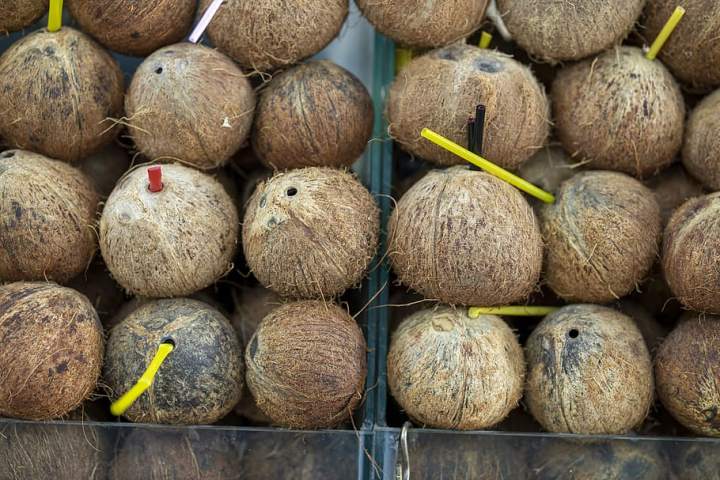
Tourism-favourite coastal destinations—from Goa to Kerala to Chennai—now ensure that even the coconut water boom generates livelihoods rather than waste.
- Country:
- India
Waste, once regarded as an unavoidable by-product of India's rapid urbanisation, has undergone a remarkable transformation. Responding to the vision of Prime Minister Narendra Modi and the nationwide momentum of the Swachh Bharat Mission–Urban (SBM-U), the Ministry of Housing and Urban Affairs (MoHUA) has turned waste management into a powerful economic and environmental engine.
This shift is most visible in coastal cities, where coconut shells—once a municipal burden—are now the backbone of a thriving waste-to-wealth circular economy, generating employment, revenue, and sustainable products.
No Shell Left Behind: Coastal Cities Lead the Way
Under SBM-U 2.0, coconut waste is no longer dumped into landfills; instead, it is segregated, recycled, and repurposed into valuable products such as:
-
Cocopeat for organic manure and soil-free agriculture
-
Coir fibres spun into ropes, mats, and handicrafts
-
Compost for farms, nurseries, rooftops, and horticulture
Tourism-favourite coastal destinations—from Goa to Kerala to Chennai—now ensure that even the coconut water boom generates livelihoods rather than waste.
A Small Fraction, A Big Opportunity
Though coconut husk accounts for just 3–5% of urban wet waste, the figure rises to 6–8% in coastal cities—a significant amount given India's massive 1.6 lakh tonnes of municipal waste generated daily.
With Karnataka, Tamil Nadu, and Kerala leading national coconut production—and Karnataka recently becoming the top producer—India has turned a once-neglected resource into a valuable economic asset.
India's Global Rise in the Coconut Economy
India's dominance in the global coir sector continues to grow. According to the Coconut Development Board and Coir Board:
-
Production surpassed 21,000 million units in 2023–24 and 2024–25.
-
Kerala, Tamil Nadu, Karnataka, and Andhra Pradesh contribute nearly 90% of output.
-
India controls 40% of the global coconut coir market, valued at USD 1.45 billion (₹12,000 crore).
-
Exports are rising 10–15% annually, fuelled by global demand for eco-friendly cocopeat and coir products.
-
China (37%) and the US (24%) are India's biggest buyers, followed by the Netherlands, South Korea, and Spain.
This surge reflects how India's circular economy is creating both green value and foreign exchange earnings.
Cities Creating Scalable Coconut Waste Solutions
Across the country, urban local bodies are designing integrated systems to ensure coconut waste is professionally managed and economically productive.
Karnataka:
-
Bengaluru, Mysuru and Mangaluru together generate 150–300 MT of coconut waste daily.
-
Mysuru has achieved 100% recycling, becoming a national model.
Tamil Nadu:
-
Chennai, Coimbatore and Madurai contribute heavily; Madurai has also reached 100% recycling.
Kerala and Andhra Pradesh:
-
Kochi, Thiruvananthapuram and Visakhapatnam operate sophisticated husk-management clusters.
Religious hubs like Puri, Varanasi, and Tirupati run specialised MRFs for temple-generated coconut waste—ensuring sustainability and cleanliness in high-footfall cities.
Government Schemes Powering the Big "Coconut Shift"
Policy interventions are boosting the waste-to-value industry:
-
SBM-U 2.0:Provides 25–50% Central Financial Assistance for new waste-processing units.
-
Coir Udyami Yojana:Offers a 40% subsidy for micro and small enterprises on projects up to ₹10 lakh.
-
GOBARdhan:Rolling out 500 waste-to-wealth plants turning coconut residues into compost and bio-CNG.
These schemes are enabling entrepreneurs, SHGs, and ULBs to scale up recycling infrastructure and green business models.
A Workforce of 7.5 Lakh Powered by Women
India's coir sector employs 7.5 lakh people, nearly 80% women—many operating through Self-Help Group (SHG)-led processing units.With 15,000+ units nationwide, including 7,766 in Tamil Nadu, cities like Indore, Bengaluru and Coimbatore have successfully kept 100% of coconut waste out of landfills.
Nearly 90% of coconut waste is now recycled, replacing burning and landfill dumping that once released methane and carbon for 10–20 years.
Ground-Level Success Stories Driving Impact
Bhubaneswar – Palsuni Coconut Processing Plant
-
Collects 5,000–6,000 coconuts per day from 189 vendors
-
Produces 7,500+ kg of coir fibre and ropes
-
Generates 48 MT of cocopeat compost
-
Earns ₹7–9 lakh per month
-
Provides dignified livelihoods to SHGs and Safaimitras
Kunnamkulam, Kerala – Green De-fibering Unit
-
Converts husks into odour-free compost using microbial cocopeat
-
Farmers earn ₹1.25 per husk, delivering directly to the unit
-
Produces compost, coir fibre and innovative bio-pots
Greater Chennai – Large-Scale PPP Model
-
Processed 1.5 lakh MT of raw coconut waste since 2021
-
20-year PPP with WasteArt Communications
-
30 regular buyers including tyre firms and nurseries
Indore – Zero-Waste Model with 550 TPD Bio-CNG Plant
-
Dedicated unit processes 20 MT/day
-
Dry line produces cocopeat (improves soil moisture by 500%)
-
Wet line produces coir fibre for crafts, ropes and decor
-
Generates ₹20,000/day revenue
Patna – Cost-Efficient Circular Model
-
Processes 10 TPD
-
Produces coir fibre, ropes, high-quality cocopeat and organic compost
-
Supports rooftop agriculture, nurseries and local farms
Sustainability in Action
From temple towns to IT hubs, India's coconut waste transformation under SBM-U 2.0 shows what is possible when policy, people, technology and community innovation converge.
What was once a municipal headache is now:
-
A green industry
-
A source of income
-
A driver of exports
-
A circular economy success story
India's coconut waste revolution proves that sustainability is not just a goal—it is a growing practice powered by vision, innovation, and inclusive development.


 Google News