

Nuclear Science Reveals Hidden Threats Facing Oceans
Researchers estimated that more than one-third of the world's coastal waters may be vulnerable to this type of pollution-driven spread of harmful algal blooms.
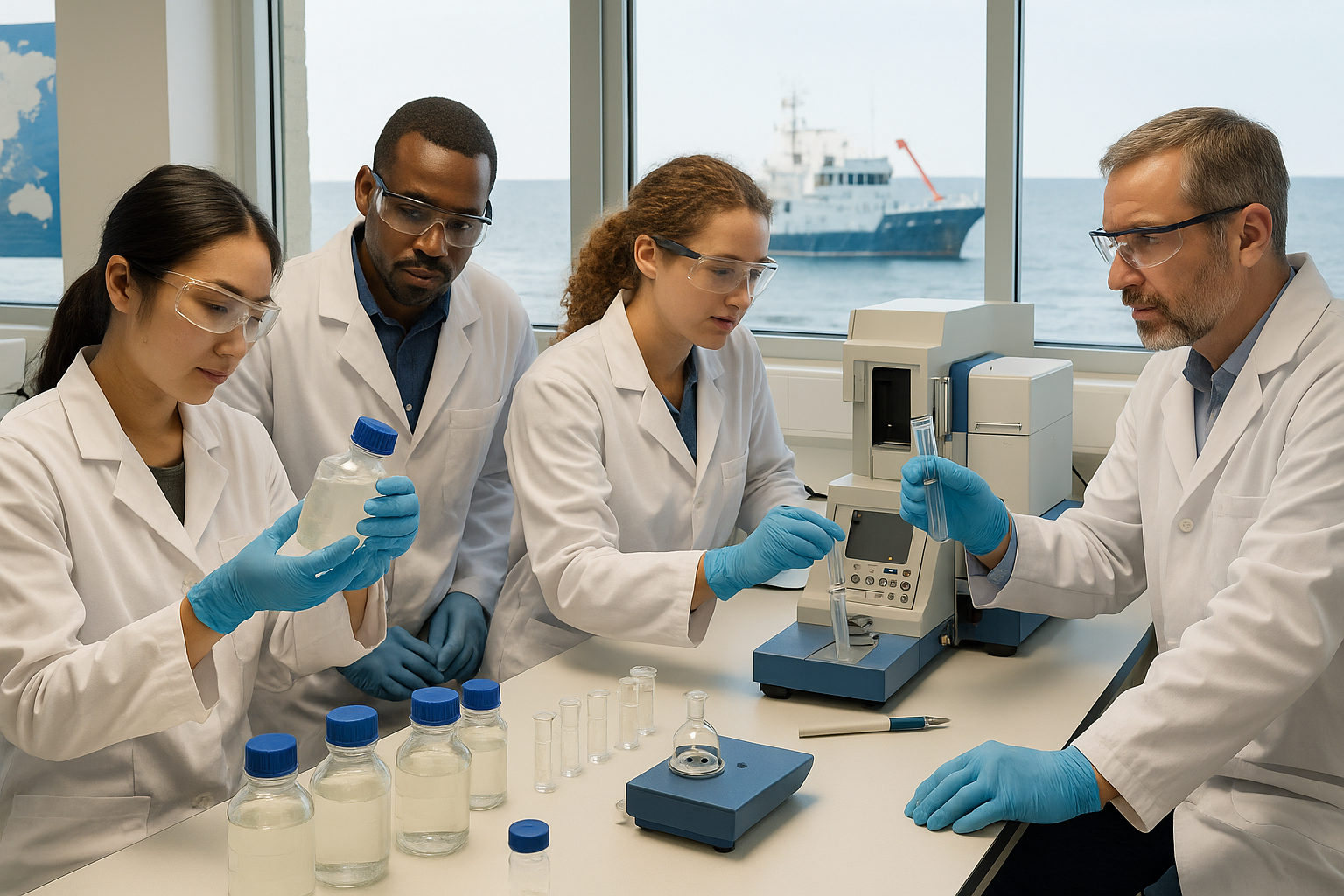
An international team of scientists has used advanced nuclear techniques to uncover how pollution and climate-related pressures are affecting marine ecosystems, providing new insights that could help protect oceans and coastal communities around the world.
The four-year project, led by the International Atomic Energy Agency (IAEA), brought together researchers from 11 laboratories across nine countries and five continents. The initiative focused on developing and applying nuclear-based tools to better understand environmental damage in oceans and coastal regions.
Scientists examined how climate change and pollution are altering marine environments through factors such as ocean acidification, oxygen depletion, chemical contamination and the growing presence of microplastics. Because these challenges often cross national borders, researchers stressed the importance of coordinated international scientific efforts.
Radiotracers Help Scientists Follow Contaminants
A key part of the project involved the use of radioecological tracers, which contain small amounts of radioactive isotopes and allow researchers to track the movement and accumulation of contaminants through marine ecosystems. Using these techniques, scientists were able to study how pollutants move through food webs and how marine organisms respond to changing environmental conditions.
Research led by the University of La Rochelle in France found that ocean acidification can alter the way marine species absorb and retain mercury. The study focused on cuttlefish and revealed that changes in seawater chemistry influence how contaminants accumulate during early stages of life. The findings suggest that climate-driven changes in ocean conditions could affect seafood safety by altering contaminant levels in marine species consumed by humans.
According to the IAEA, these methods provide countries with reliable scientific data that can support environmental protection measures and improve understanding of pollution risks.
Microplastics Found to Spread Harmful Toxins
The project also explored the role of plastic pollution in transporting harmful organisms across oceans. Research coordinated by Brazil's Federal University of Paraná showed that floating microplastics can act as carriers for toxic algae and dangerous biotoxins.
Scientists discovered that plastic debris can help move harmful algae from tropical waters into regions where they would not naturally occur. Once established, these organisms can introduce toxins into marine food chains, potentially affecting fish, marine mammals and seafood consumers.
Researchers estimated that more than one-third of the world's coastal waters may be vulnerable to this type of pollution-driven spread of harmful algal blooms.
Beyond its scientific findings, the project strengthened international cooperation and contributed valuable information to global environmental agreements, including efforts to reduce mercury pollution. Participating researchers also identified new opportunities for collaboration, including future studies using naturally occurring polonium to better understand deep-sea ecosystems and carbon cycling.
The IAEA said the project leaves countries better equipped to monitor environmental threats and apply tested nuclear techniques to safeguard marine ecosystems for future generations.
ALSO READ
-
Nuclear Science Brings Cancer Care, Safer Food and Better Water Data Across Regions
-
From Cancer Care to Nuclear Careers, IAEA Conference Puts Global Progress in Focus
-
Türkiye Uses Nuclear Science to Protect Citrus Harvests and Tackle Fruit Fly Damage
-
IAEA and IDB Join Forces to Expand Nuclear Energy in Latin America and Caribbean
-
IAEA Joins Forces With Six Industry Partners to Close Global Cancer Care Divide


 Google News