

IAEA Warns of Rising Power Losses at Zaporizhzhya Nuclear Plant
- Country:
- Ukraine
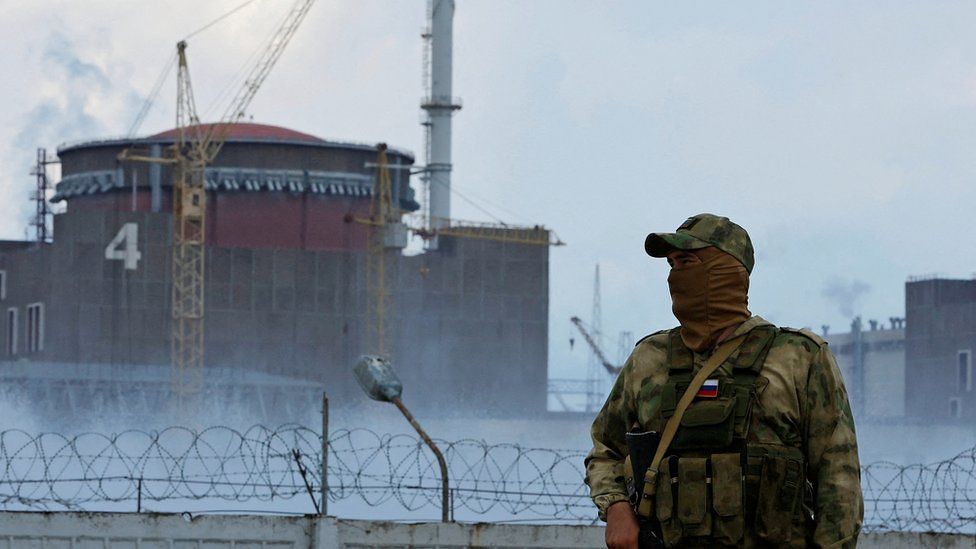
Repeated losses of external electricity at Ukraine's Zaporizhzhya Nuclear Power Plant are raising fresh concerns about nuclear safety, with the International Atomic Energy Agency warning that the electrical grid supporting Europe's largest nuclear facility remains highly vulnerable during the continuing military conflict.
The plant has lost off-site power twice within the past week, taking the number of such incidents since the conflict began to 24, according to the IAEA. Twelve of those events have occurred during the past four months, a pattern Director General Rafael Mariano Grossi described as deeply concerning and unsustainable.
Emergency Generators Activated After Power Cuts
Zaporizhzhya lost connection to its only remaining off-site power line, the 330 kilovolt Ferosplavna-1 line, on 1 August and again on 4 August. Emergency diesel generators automatically started on both occasions, supplying electricity to essential safety equipment, including systems needed to keep the reactors cooled.
External power returned automatically after roughly two hours during the first incident and about one hour during the second. The exact reasons for the two disconnections have yet to be established.
The plant has also remained disconnected from its main 750 kV Dniprovska power line since March. Although damage to the line was repaired in June under an IAEA-brokered ceasefire, the heavily damaged substation supplying it has prevented the connection from returning to service.
Damaged Substations Put Nuclear Sites Under Pressure
Reliable electrical substations are crucial because Ukraine's nuclear facilities depend on them for stable off-site electricity, including three plants that continue producing power for the national grid.
An IAEA team recently completed its eighth mission examining substations important to nuclear safety, visiting 13 locations across Ukraine to document damage caused by military attacks and assess how deteriorating electrical infrastructure could affect the safe operation of nuclear power plants.
Zaporizhzhya Raises Water Levels in Spent Fuel Pools
Zaporizhzhya has decided to increase water levels in the spent fuel pools of all six reactor units as an additional precaution against a prolonged electricity outage.
Higher water levels would provide more time before water begins boiling away if external electricity is lost for an extended period and diesel supplies are exhausted. The measure comes as military activity has created difficulties in replenishing diesel fuel stocks at the site, with IAEA personnel observing the work.
Military Activity Keeps Nuclear Risks Elevated
IAEA experts at Zaporizhzhya continue to hear explosions and other military activity several times a day, sometimes close to the facility, while drone activity has also been reported around the plant and nearby Enerhodar.
Air raid alerts and drone sightings have also been reported around the South Ukraine and Chornobyl nuclear sites. Grossi renewed his call for maximum military restraint around Ukraine's nuclear plants and their electrical infrastructure, warning that nuclear safety and security risks are increasing rather than declining as the conflict continues.


 Google News