

Science News Roundup: Egyptian inventor trials robot that can test for COVID-19; SpaceX to press ahead with Starlink tests, delays commercial service and more
Scientists on Wednesday said the bird, called Falcatakely forsterae, possessed a face unlike any other known bird from the age of dinosaurs - the Mesozoic Era - not only because of the beak shape but because of its underlying anatomy.
Following is a summary of current science news briefs.
Dinosaur-era bird with scythe-like beak sheds light on avian diversity
A delicate but exquisitely preserved skull of a crow-sized bird with a scythe-like beak that inhabited Madagascar 68 million years ago is showing scientists that they have a lot of learn about avian diversity during the age of dinosaurs. Scientists on Wednesday said the bird, called Falcatakely forsterae, possessed a face unlike any other known bird from the age of dinosaurs - the Mesozoic Era - not only because of the beak shape but because of its underlying anatomy.
SpaceX to press ahead with Starlink tests, delays commercial service
SpaceX will continue beta testing its satellite-based broadband service Starlink into next year, the company said late Tuesday, indicating commercial service would not likely be offered in 2020 as previously planned. Hawthorne, California-based SpaceX, Elon Musk's private space exploration company, has launched nearly 900 Starlink satellites to orbit since 2019 with the goal of offering high-speed Internet to rural locations globally.
Egyptian inventor trials robot that can test for COVID-19
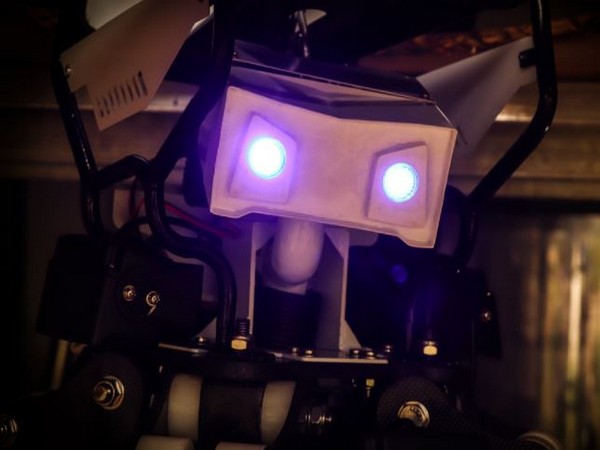
With Egypt facing a second coronavirus wave, an inventor is trialing a remote-control robot which can test for COVID-19, take the temperature of patients, and warn them if they don't wear masks at a private hospital north of Cairo. Mahmoud el-Komy, who designed the robot, called Cira-03, says it can help limit exposure to infection and prevent the transmission of the virus.


 Google News