

Say Goodbye to Eyestrain: The Truth About Blue-Light Glasses
In our increasingly digital world, where screens have become an integral part of our daily lives, many of us have experienced the discomfort of eyestrain. But fear not! This comprehensive guide will unveil the truth about blue-light glasses, shedding light on whether they can truly bid adieu to eyestrain. Join us on this journey to better eye health and visual comfort.
 Devdiscourse News Desk
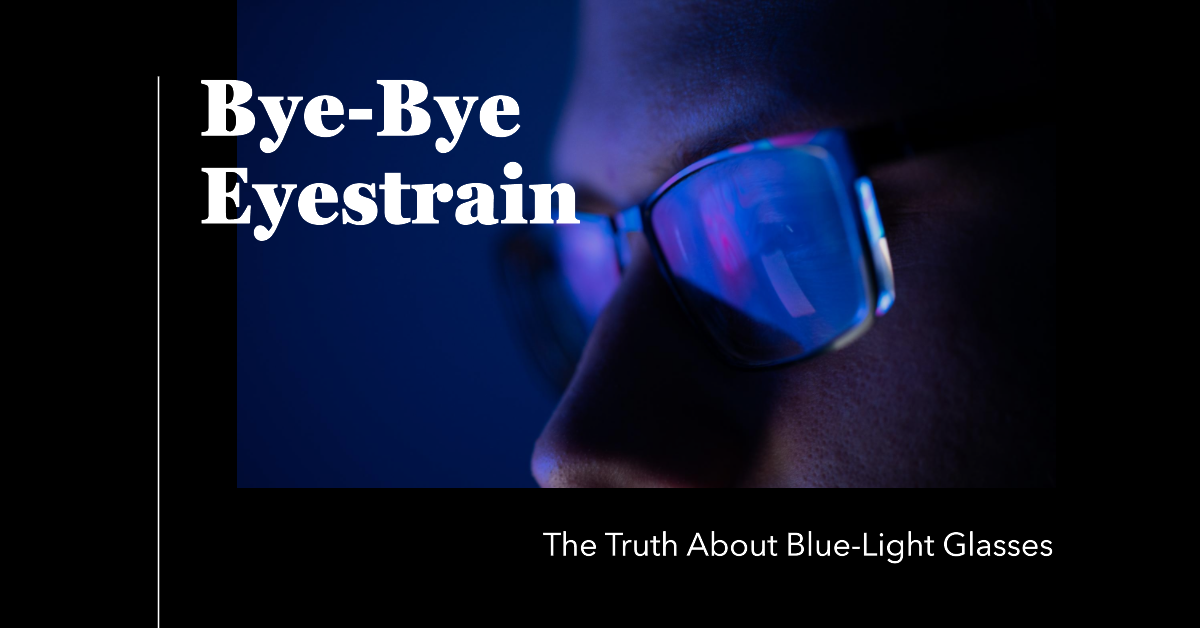
In an age dominated by screens, from our smartphones to our laptops, our eyes are constantly exposed to the harsh glare of digital devices. This prolonged screen time often leads to a common ailment known as eyestrain or digital eye strain, medically referred to as Computer Vision Syndrome (CVS). If you've ever experienced eye discomfort, dryness, blurred vision, or headaches after a long day in front of the computer, you're not alone.
The question on many people's minds is whether blue-light glasses can truly help alleviate this modern-day malaise. Do they live up to the hype, or are they just another gadget in the ever-growing sea of eyewear options? In this blog, we will delve deep into the world of blue-light glasses, explore the science behind them, and determine whether they are a worthy investment for your eye health.
Understanding Eyestrain and Its Causes
Before we jump into the blue-light glasses debate, let's first understand what eyestrain is and what causes it. Eyestrain, or CVS, is a condition that occurs when you spend extended periods of time staring at digital screens. It's not limited to computers; it includes smartphones, tablets, e-readers, and even the television.
The primary factors contributing to eyestrain include:
-
Blue Light Exposure: Digital screens emit blue light, a high-energy visible (HEV) light that can penetrate deep into the eye. This prolonged exposure can disrupt your sleep-wake cycle and potentially damage the retinal cells.
-
Blinking Less: When you're focused on a screen, you tend to blink less frequently, which can lead to dry, irritated eyes.
-
Screen Glare and Reflections: Poor lighting conditions and screen glare force your eyes to work harder to maintain focus.
-
Poor Posture: Incorrect ergonomics and poor posture can contribute to neck and shoulder pain, further exacerbating eye discomfort.
Now that we have a grasp of the problem, let's explore the potential solution: blue-light glasses.
What Are Blue-Light Glasses?
Blue-light glasses, also known as blue-blocking or blue-light filtering glasses, are eyeglasses with special lenses designed to reduce the amount of blue light that enters your eyes. These lenses are coated with a filter that selectively blocks or absorbs blue light while allowing other wavelengths of light to pass through.
The key question here is whether these glasses can effectively reduce the symptoms of eyestrain caused by prolonged screen time. To answer that, we need to understand the science behind blue light and its impact on our eyes.
The Science Behind Blue Light and Eye Health
Blue light is a natural component of sunlight, and it serves a critical role in regulating our circadian rhythm, which controls our sleep-wake cycle. During the day, exposure to natural blue light helps us stay alert and awake. However, artificial sources of blue light, such as digital screens and LED lights, can disrupt this cycle, leading to sleep disturbances and other health issues.
Moreover, excessive exposure to blue light, particularly from digital screens, has been associated with various eye-related problems, including:
-
Digital Eye Strain: The high-energy blue light emitted by screens scatters more easily, making it harder for our eyes to focus. This constant refocusing can lead to eye fatigue and discomfort.
-
Retina Damage: Some studies suggest that prolonged exposure to blue light may contribute to retinal damage and increase the risk of age-related macular degeneration (AMD).
-
Sleep Disruption: Exposure to blue light in the evening can suppress the production of melatonin, a hormone responsible for regulating sleep. This can mess up your ability to fall asleep and make your sleep quality pretty lousy.
Now, the big question remains: Can blue-light glasses mitigate these risks and provide relief from digital eye strain?
The Role of Blue-Light Glasses
Blue-light glasses are designed to filter out a significant portion of the harmful blue light emitted by screens, reducing the strain on your eyes. Here's how they work:
-
Blocking Blue Light: Blue-light glasses are equipped with specialized coatings that filter out a portion of blue light while allowing other light wavelengths to pass through. This reduction in blue light exposure can help alleviate the symptoms of eyestrain.
-
Improving Contrast: By blocking a portion of blue light, these glasses can enhance the contrast on digital screens. This can make text and images appear sharper, reducing the need for your eyes to constantly refocus.
-
Minimizing Glare: Blue-light glasses can also help reduce glare and reflections from screens, further improving visual comfort.
However, it's essential to note that not all blue-light glasses are created equal. Some offer better protection and quality than others. When you're out looking for blue-light glasses, keep these things in mind:
-
Blue Light Filtering Strength: Look for glasses that specify the percentage of blue light they filter out. Generally, glasses that block 30% to 40% of blue light are considered effective.
-
Coating Quality: High-quality coatings ensure that the glasses effectively filter out blue light without distorting colors or reducing the clarity of your vision.
-
Fit and Comfort: The fit of the glasses is crucial for comfort during prolonged use. Make sure they sit well on your face and don't pinch or slip.
-
Prescription Options: If you have existing vision issues, some brands offer blue-light glasses with prescription lenses.
-
Anti-reflective Coating: An anti-reflective coating can further reduce glare and improve visual clarity.
Do Blue-Light Glasses Really Help?
Now that we've explored the science and mechanics behind blue-light glasses, let's address the million-dollar question: Do they actually help with eyestrain?
The effectiveness of blue-light glasses in reducing eyestrain varies from person to person. Here are some important things to think about:
-
Individual Sensitivity: Some individuals may be more sensitive to blue light than others. If you experience severe eyestrain symptoms, you may find blue-light glasses more beneficial.
-
Screen Time: The amount of time you spend in front of screens also plays a role. If your work or leisure activities involve extensive screen time, blue-light glasses can be a valuable addition.
-
Consistency: To experience the full benefits, you need to wear blue-light glasses consistently when using digital devices. Wearing them sporadically may not yield the desired results.
-
Quality Matters: As mentioned earlier, the quality of the glasses matters. High-quality blue-light glasses with a significant filtering effect are more likely to provide relief.
-
Combined Measures: Blue-light glasses should be seen as part of a broader approach to reducing eyestrain. Taking regular breaks, practicing the 20-20-20 rule (looking at something 20 feet away for 20 seconds every 20 minutes), and optimizing your workspace ergonomics are also crucial.
Practical Tips for Combating Eyestrain
While blue-light glasses can be a valuable tool in the fight against eyestrain, they are not a silver bullet. To maximize your eye comfort and overall health, consider these additional tips:
-
Take Regular Breaks: Follow the 20-20-20 rule mentioned earlier to give your eyes a break from screens.
-
Adjust Screen Settings: Increase text size, adjust screen brightness, and use screen filters to reduce glare.
-
Proper Lighting: Ensure that your workspace is well-lit, and use ambient lighting to reduce screen glare.
-
Blink More: Make a conscious effort to blink regularly when using screens to prevent dry eyes.
-
Stay Hydrated: Drink plenty of water to maintain eye moisture.
-
Screen Distance: Position your screen at eye level and at a comfortable distance to reduce strain on your neck and eyes.
-
Regular Eye Exams: Schedule regular eye exams to monitor your eye health and update your prescription if needed.
Conclusion: The Blue-Light Glasses Verdict
In conclusion, blue-light glasses have a role to play in alleviating eyestrain caused by prolonged screen time. While they may not completely eliminate the issue, they can significantly reduce the symptoms for many individuals, especially those who are sensitive to blue light.
However, it's essential to remember that blue-light glasses are just one part of the solution. Combining their use with good screen habits, proper ergonomics, and regular eye care can go a long way in promoting eye health and comfort.
So, if you find yourself battling eyestrain in the digital age, investing in a pair of high-quality blue-light glasses might just be the relief you've been looking for. Say goodbye to eyestrain and hello to clearer, more comfortable vision.
Remember, your eyes are precious, and taking proactive steps to protect them is always a smart choice in our screen-dominated world.


 Google News