

Reel Innovation: How AI is Redefining the Art of Filmmaking
This article examines the impact of AI on filmmaking, highlighting how tools like Runway are revolutionizing the industry by enhancing video generation, automating language dubbing, and reshaping creative processes. It discusses both the opportunities and challenges presented by AI in this field.
 Devdiscourse News Desk
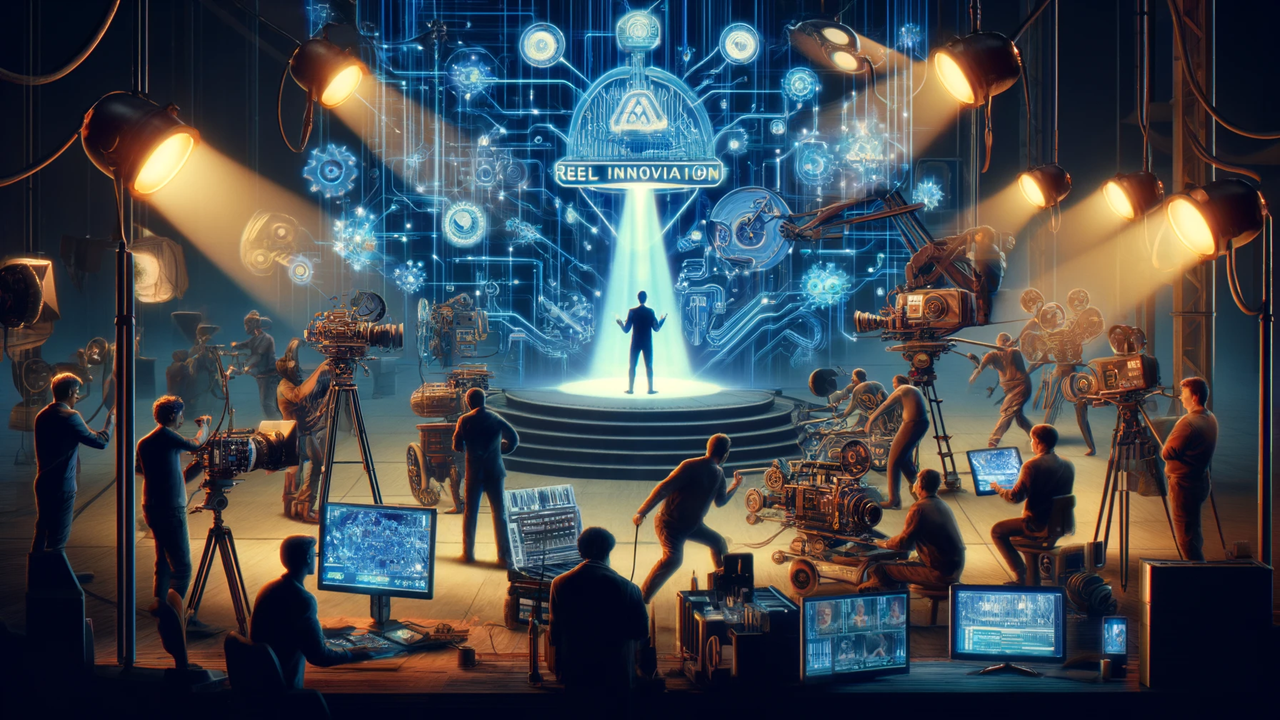
In the realm of cinema, the rise of artificial intelligence (AI) is heralding a new era of innovation. AI tools like Runway are at the forefront of transforming film production by introducing capabilities such as high-quality video generation and language dubbing. This revolution is not only reshaping the creative processes but also capturing significant interest from major film studios. "Reel Innovation: How AI is Redefining the Art of Filmmaking" delves into the transformative impact of these technologies on the industry, exploring how they enhance both the artistic and operational aspects of filmmaking.
AI and the Film Industry's Transformation
The integration of AI into film production is revolutionizing several facets of the industry. Tools like Runway use advanced algorithms to automate and enhance various stages of the filmmaking process, from pre-production to post-production, distribution, and even marketing.
Enhancing Creative Processes
AI's impact on the creative side of filmmaking is profound:
- Video Generation and Editing: AI tools are capable of generating high-quality video content from scratch, as well as enhancing the quality of existing footage. They can automate color correction, remove unwanted elements from shots, and even create complex visual effects, reducing the time and cost associated with these processes.
- Scriptwriting and Storytelling: AI can analyze hundreds of scripts to suggest plot points, character development, and dialogue tweaks, helping writers craft stories that have better odds of resonating with specific audiences.
- Language Dubbing and Subtitles: AI enhances the global accessibility of films by automating the dubbing process into various languages with high accuracy, maintaining the original nuances and expressions of the actors.
Operational Efficiencies
On the operational front, AI is making film production more efficient:
- Streamlined Production Workflows: AI tools can schedule shoots, manage logistics, and even predict the best times and locations for shooting based on weather conditions and lighting.
- Cost Reduction: By automating routine tasks, AI reduces the need for large teams for certain types of work, notably in editing and effects, thereby cutting down production costs.
- Data-Driven Decisions: AI algorithms analyze viewer data to provide insights into audience preferences, helping studios make informed decisions about which projects to greenlight.
Interest from Major Studios
Major film studios are increasingly adopting AI technologies, intrigued by their potential to transform traditional filmmaking paradigms. These studios are using AI not just for creating content but also for predicting box office success, personalizing marketing strategies to target demographics, and optimizing distribution channels to maximize revenue.
Challenges and Ethical Considerations
Despite its benefits, the adoption of AI in filmmaking comes with its set of challenges:
- Creative Authenticity: There are concerns about AI diminishing the creative input of humans, potentially leading to a homogenization of content where movies might lack the emotional depth and originality that come from purely human artistic endeavors.
- Job Displacement: As AI takes over more tasks, there is worry about job losses for professionals who traditionally performed these roles, particularly in areas like basic editing and effects creation.
- Ethical Use of AI: The ethical use of AI in manipulating images and audio, especially in creating deepfakes, is a significant concern. There is a need for industry standards and regulations to address these issues.
Looking Ahead
The future of AI in filmmaking is vibrant and filled with potential. As AI technology advances, its integration into the film industry is expected to deepen, leading to more sophisticated tools that could further enhance storytelling and operational efficiency. The ongoing dialogue between AI developers and filmmaking professionals will be crucial in navigating the ethical terrain and ensuring that AI serves to augment the creative process, rather than replace it.
Conclusion
AI is setting the stage for a major transformation in how films are made and experienced. With its ability to streamline production, enhance storytelling, and open up films to a global audience, AI is undoubtedly redefining the art of filmmaking. As the industry embraces these changes, it stands on the brink of a new technological renaissance that could enrich cinema in ways previously imagined only in science fiction.


 Google News