

EU Faces Crucial Vote on Chinese EV Tariffs
The EU will vote on imposing up to 45% tariffs on Chinese electric vehicles after an anti-subsidy investigation. Some members like Germany oppose it, fearing retaliation from Beijing and preferring negotiations. The outcome could shape EU-China relations amid tensions over trade and regulation.
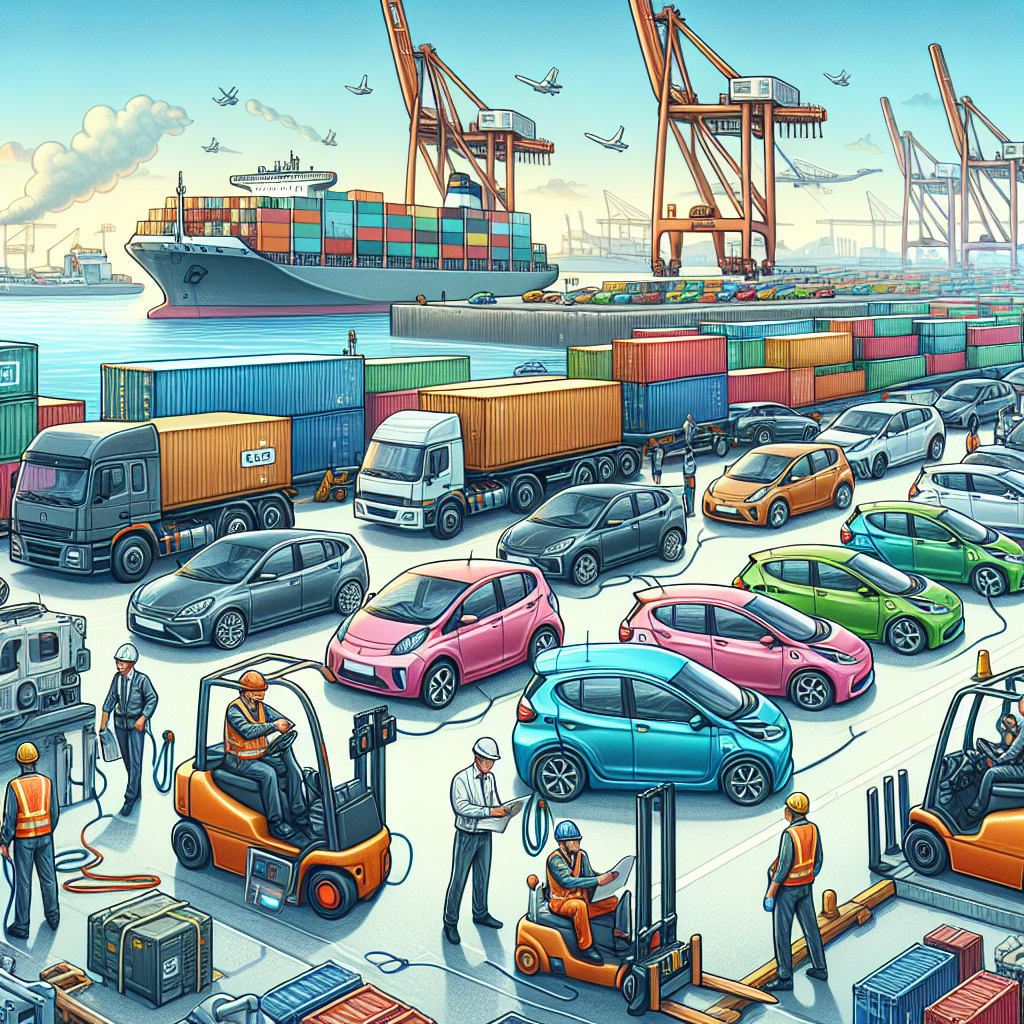
The European Union is set for a significant decision on Friday, as it votes on imposing tariffs of up to 45% on imports of electric vehicles from China. This vote is a crucial part of the EU's most high-profile trade case, carrying the risk of retaliation from Beijing.
The European Commission, charged with managing the bloc's trade policy, has proposed instituting these duties for five years. This measure aims to counter what the Commission perceives as unfair Chinese subsidies after a detailed anti-subsidy probe lasting a year. According to EU regulations, these tariffs can be enforced unless opposed by a qualified majority of 15 EU nations representing 65% of the EU's population.
Key economies, such as Germany, oppose the move, with German carmakers voicing concerns given their substantial sales within China. The EU seeks to balance trade interests with diplomatic relations, amid a complex landscape where China is simultaneously seen as a partner, competitor, and systemic rival.
ALSO READ
-
WTO Sets Up Panel on EU Carbon Border Rules as Russia Challenges Restrictions
-
WHO Brings Global Experts Together to Strengthen Herbal Medicine Quality and Safety
-
Human Cost of Faster Work: Chinese Employees Weigh AI’s Promise Against Pay Fears
-
AfDB and Hyundai Explore Africa’s Electric Vehicle and Clean Energy Opportunities
-
EU Firms Rethink Supply Chains as Geopolitical Risks Reshape Global Trade


 Google News