

The Future of Supply Chains: How the Metaverse Drives Efficiency and Sustainability
The study explores how metaverse technology enhances supply chain efficiency, collaboration, and sustainability by integrating VR, AR, AI, and blockchain for optimized logistics and decision-making. It confirms that metaverse-driven supply chains reduce costs, improve transparency, and support eco-friendly practices, shaping the future of global trade.
 CoE-EDP, VisionRI
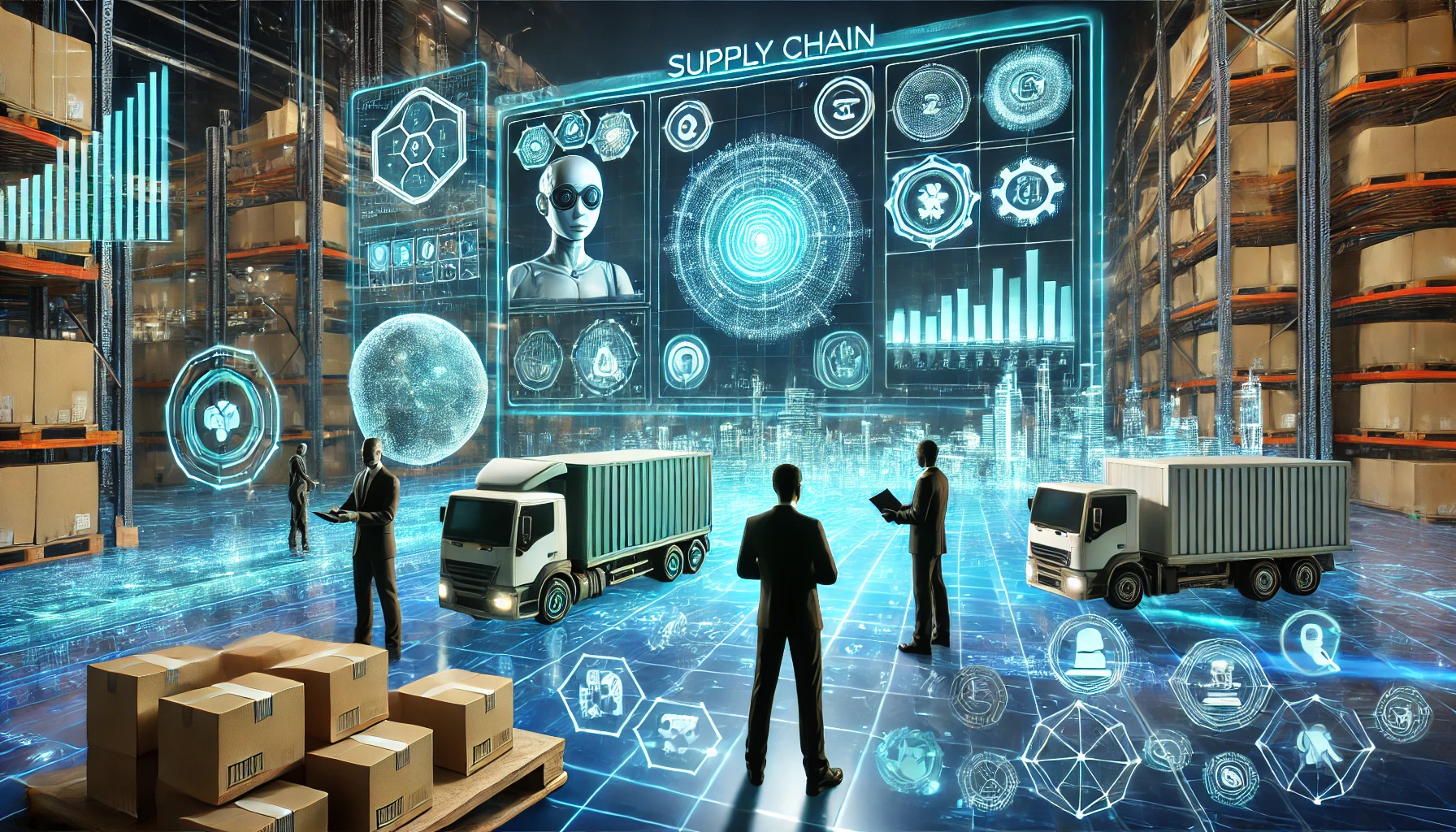
Researchers from North Carolina Agricultural and Technical State University, the University of North Texas, the University of Bergen, the University of New Mexico, and the University of Agder have collaborated to explore the transformative impact of metaverse technology on sustainable supply chain management. As industries undergo rapid digital transformation, the metaverse has emerged as a revolutionary tool for improving logistics efficiency, fostering real-time collaboration among stakeholders, and supporting sustainability initiatives. By integrating virtual reality (VR), augmented reality (AR), artificial intelligence (AI), and blockchain, companies can simulate, optimize, and refine logistics and decision-making processes before implementation, reducing waste and enhancing operational efficiency.
This research is grounded in the practice-based view, which explores how organizations leverage digital solutions to gain a competitive advantage. The metaverse creates an interconnected ecosystem where stakeholders collaborate dynamically, test logistics strategies in immersive environments, and make informed decisions aligned with sustainable development goals. By increasing transparency, reducing inefficiencies, and promoting eco-friendly practices, the metaverse offers businesses a powerful tool for long-term success while addressing environmental and social challenges.
How the Metaverse Enhances Logistics Efficiency
One of the most significant findings of the study is the metaverse's ability to enhance logistics decision-making. Organizations can create digital twins—virtual replicas of warehouses, shipping routes, and production plants—allowing managers to simulate different storage and transportation strategies before committing resources. This capability reduces unnecessary fuel consumption, optimizes inventory distribution, and cuts operational costs.
Blockchain integration within the metaverse further strengthens logistics by improving real-time tracking, traceability, and data accuracy. Businesses can monitor goods at every stage of the supply chain, reducing fraud and ensuring compliance with environmental and ethical standards. Additionally, logistics teams can test alternative transportation methods in a virtual environment, evaluating carbon emissions and fuel efficiency before making real-world changes.
A crucial advantage is the reduction in product return rates. Virtual product experiences, where customers can interact with items before purchase, lead to more informed buying decisions, minimizing the number of unnecessary shipments. This streamlined logistics framework not only improves profitability but also supports sustainability by cutting down excess transportation and packaging waste.
Strengthening Stakeholder Collaboration in a Virtual World
Beyond logistics, the metaverse is reshaping supply chain collaboration by offering an immersive digital environment where companies, suppliers, and logistics providers can interact in real time. Traditional communication methods such as emails, phone calls, and video conferences are being replaced by virtual reality spaces where stakeholders can negotiate contracts, inspect products, and make strategic decisions together.
Augmented reality enhances collaboration by overlaying real-time logistics data, inventory levels, and supplier updates onto a shared digital workspace, improving transparency and coordination. Virtual avatars enable supply chain professionals to meet in interactive 3D environments, reducing misunderstandings and increasing engagement. This shift fosters stronger business relationships and accelerates decision-making processes.
A notable case study is IKEA's supply chain model, which integrates metaverse-driven collaboration to transition from fossil-based glues to bio-based alternatives. By engaging stakeholders in a shared virtual space, the company has aligned supply chain objectives to prioritize sustainability without compromising efficiency. Such collaborations highlight the metaverse's role in promoting responsible sourcing and ethical business practices.
A Greener Future: Metaverse's Contribution to Sustainability
Sustainability is a core benefit of metaverse-driven supply chains. The research reveals that businesses using metaverse simulations can drastically reduce their carbon footprint by testing and implementing eco-friendly logistics models. By optimizing transportation routes, reducing warehouse energy consumption, and digitizing supply chain processes, companies can cut emissions and operate more sustainably.
The metaverse also plays a role in the circular economy by enabling organizations to track the entire lifecycle of a product, from sourcing materials to end-of-life recycling. Companies can use blockchain-based ledgers within the metaverse to certify ethical sourcing, monitor waste reduction efforts, and promote recycling programs, ensuring compliance with global sustainability regulations.
Another key finding is the role of the metaverse in consumer education. Brands can use virtual experiences to inform customers about sustainable choices, allowing them to interact with eco-friendly products before making a purchase. This increased awareness encourages responsible consumption, driving demand for sustainable goods and services.
Public Perception and Future Implications
To complement the survey findings, researchers analyzed over 1,100 tweets discussing the metaverse and supply chains. The text analysis identified three dominant themes: logistics innovation, digitalization, and sustainability. The sentiment analysis revealed an overwhelmingly positive perception of the metaverse's potential, with many discussions emphasizing its ability to enhance automation, transparency, and supply chain resilience.
The study tested four hypotheses on the correlation between metaverse adoption and supply chain efficiency, all of which were supported by the data. It confirmed that businesses integrating the metaverse experience improved logistics decision-making and stronger collaboration among stakeholders, both of which directly contribute to sustainable supply chain management.
From a business perspective, these findings offer actionable insights on leveraging the metaverse for competitive advantage. Companies can invest in virtual training programs for employees, adopt blockchain-based supply chain tracking, and integrate augmented reality for real-time logistics monitoring. These strategies not only improve efficiency but also align operations with environmental and corporate social responsibility goals.
While the study highlights the numerous benefits of the metaverse, it also identifies areas for further research. Cybersecurity remains a major concern, as digital supply chains become increasingly interconnected and vulnerable to cyber threats. Future studies should explore how blockchain, decentralized finance, and AI-driven risk assessments can enhance cybersecurity resilience in metaverse-driven supply chains. Additionally, the scalability of metaverse adoption in small and medium-sized enterprises requires further analysis, particularly in terms of financial investment and technological barriers.
The study provides compelling evidence that the metaverse is revolutionizing supply chain management, offering a powerful platform for optimizing logistics, enhancing stakeholder collaboration, and driving sustainability efforts. As businesses continue to embrace digital transformation, the metaverse will play a pivotal role in creating more efficient, resilient, and environmentally responsible supply chains. The next decade will see a greater shift toward virtual supply chain ecosystems, where real-time data, blockchain transparency, and immersive collaboration redefine the way global trade operates.
- FIRST PUBLISHED IN:
- Devdiscourse


 Google News