

U.S. Navy Excludes Lockheed Martin from Next-Gen Fighter Jet Race
The U.S. Navy has excluded Lockheed Martin from the competition to develop its next-generation carrier-based stealth fighter, opting for designs by Boeing and Northrop Grumman. The decision aligns with efforts to counter Chinese military capabilities. The new jets will replace the aging F/A-18E/F Super Hornet fleet.
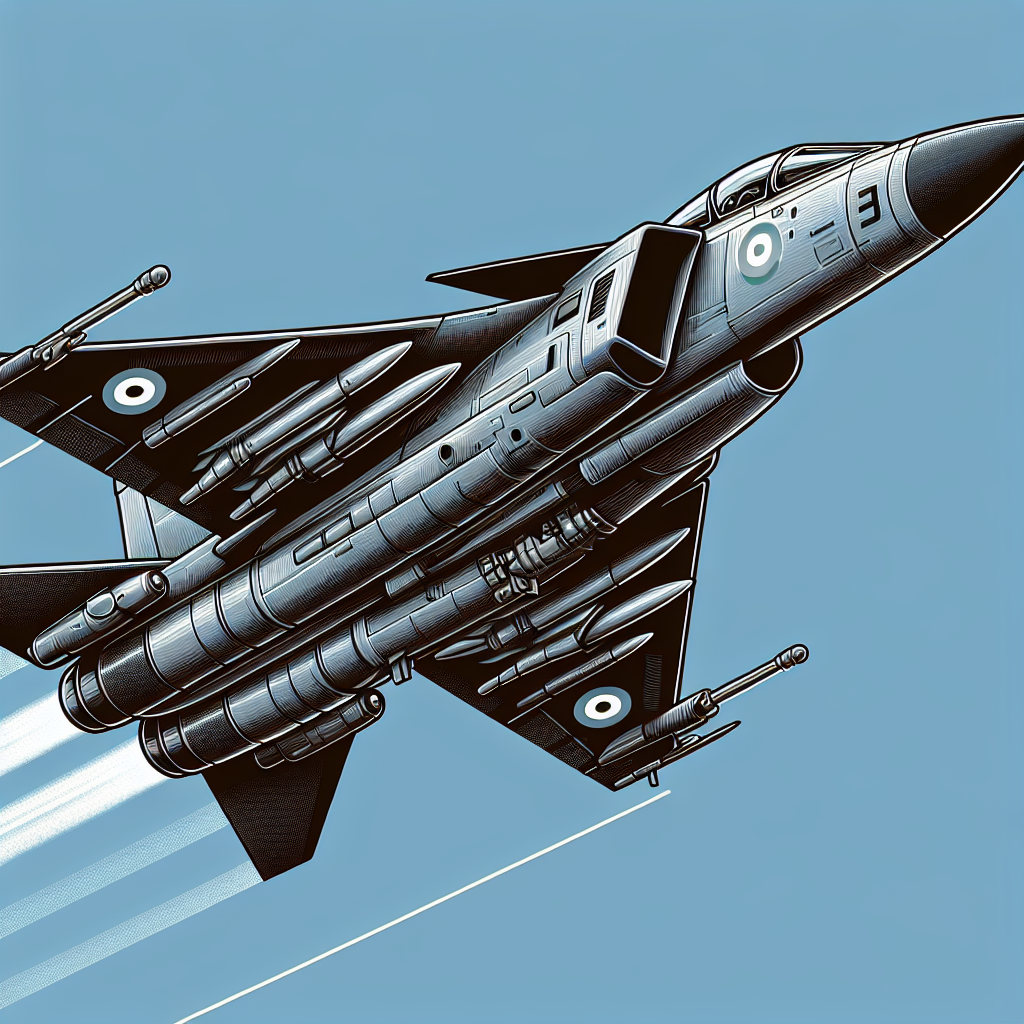
The U.S. Navy has made a strategic decision to exclude defense contractor Lockheed Martin from the competition to build its next-generation carrier-based stealth fighter. This move narrows the field to designs from Boeing Co and Northrop Grumman Corp, sources familiar with the decision have revealed. The decision aligns with Washington's plans to bolster its military capabilities in the face of increasing Chinese military assertiveness.
The Lockheed Martin decision signifies a significant shift in U.S. defense strategy, as the Navy seeks to replace its aging F/A-18E/F Super Hornet fleet, which has been serving since the 1990s. The Navy's plan includes advancing to the F/A-XX fighter jet, expected to feature state-of-the-art stealth capabilities and improved operational range and endurance. The service intends to finalize a contractor after evaluating the current proposals.
Sources indicate that the timing of the announcement is linked to the confirmation of a new Secretary of the Navy, with no current schedule for a confirmation vote. Meanwhile, the U.S. Air Force is reassessing its own sixth-generation fighter jet program, addressing cost concerns. In January, China unveiled two radical new aircraft, intensifying the U.S. urgency to advance its technological edge.


 Google News