

Shenzhou-19 Returns: China's Leap Forward in Space Missions
China's Shenzhou-19 spacecraft safely landed after a weather delay, marking another milestone in the country's evolving space program. The mission, part of China's efforts to advance their space exploration capabilities, included experiments crucial for developing sustainable human habitats, aiming for a manned lunar landing by 2030.
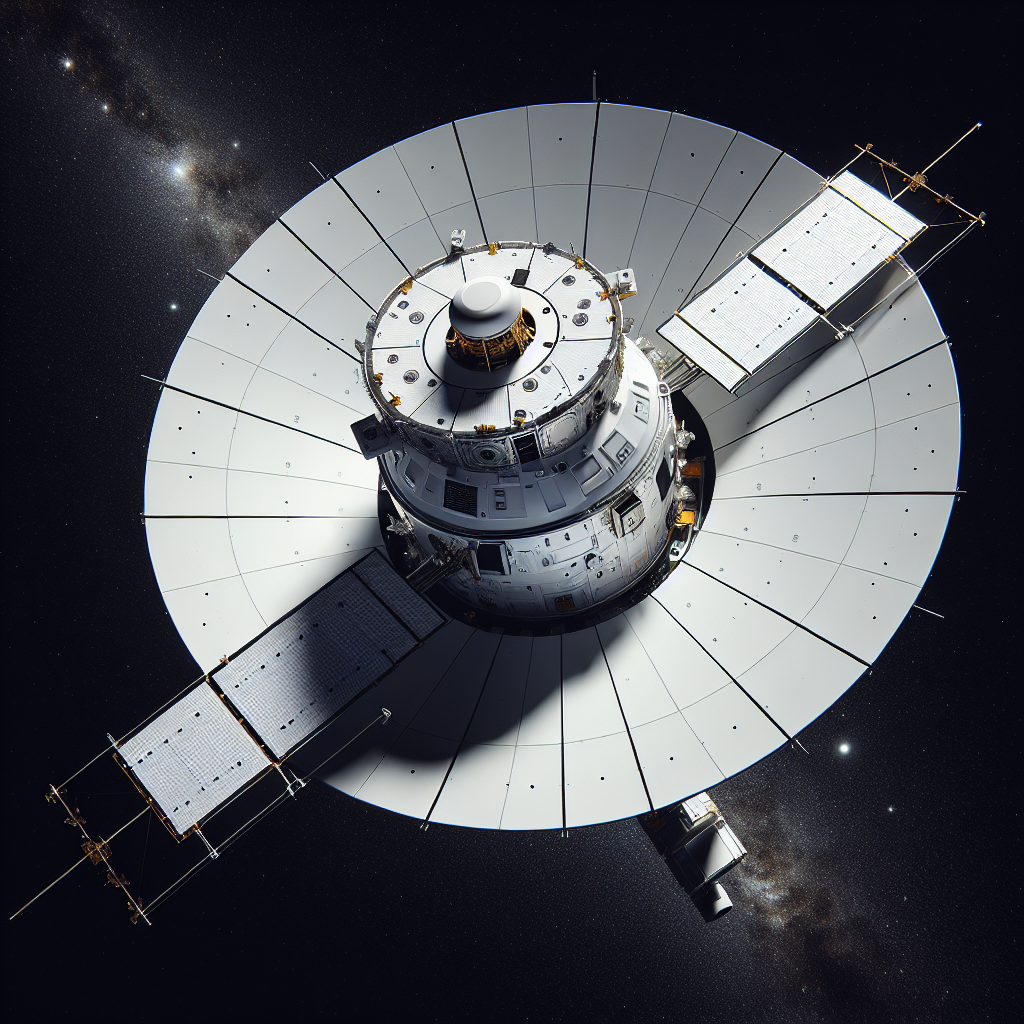
China's Shenzhou-19 spacecraft successfully landed in the northern region of the country, as announced by state broadcaster CCTV. The landing, initially delayed by inclement weather, marks a significant achievement in China's growing space endeavors.
Launched in October, the spacecraft carried three crew members to the Tiangong space station. This mission underscores China's enhanced focus on space exploration, a contrast to the challenges faced by the United States with its own crewed missions. Notably, China plans a manned lunar landing by 2030.
The Shenzhou-19 crew included two male astronauts and the nation's third female astronaut, all affiliated with the military's air force. Their experiments, including testing lunar soil-based bricks for potential habitat construction, demonstrate China's ambitious space goals, particularly the establishment of a permanent lunar research facility by 2035.


 Google News